
Vitiligo Surgery
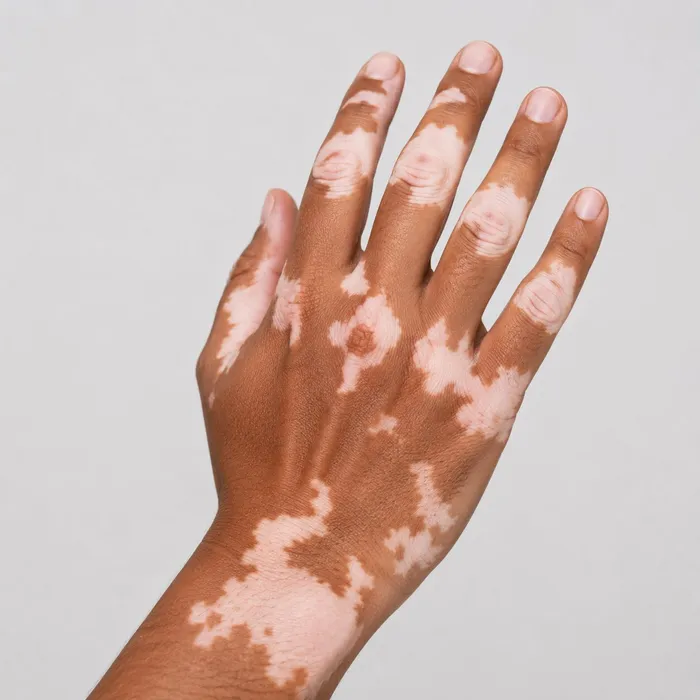
For stable patches that have not responded to medicines and light treatment, surgical repigmentation is an option, for the right patient.
- AIIMS-trained dermatologists
- Consultation first
- KK Nagar, Chennai
Evidence-based care
No unnecessary procedures
Patches that have not changed for a year or more?
Surgery is only for stable vitiligo. We assess whether your patches are truly stable, and whether surgery or continued medical treatment suits you better.
Patches still spreading or new ones appearing?
Surgery is not advised while vitiligo is active. We first aim to bring the disease under control with medicines and light treatment.
Vitiligo surgery moves healthy pigment-producing cells from normal skin to a white patch. It does not cure vitiligo, and it is not for everyone. Where it is suitable, it can restore colour to patches that have not improved with medicines and light treatment.
Who Qualifies?
Surgery works best in stable vitiligo: no new patches, no spreading, and no change in the existing patches for about a year, sometimes longer. Segmental vitiligo, which tends to stabilise early, often responds well. Active vitiligo, with new or growing patches, is likely to relapse after surgery, and a fresh surgical wound can itself trigger new patches. Read more in who is a good candidate for vitiligo surgery and stable or active vitiligo?.
Surgery is also less suitable for people who form keloids, for very large areas and for patches that have little skin left to graft onto, such as the fingertips and lips, which are harder to treat.
The Surgical Options
All options use local anaesthetic, and all take pigment cells from a normal part of the body, usually the thigh or buttock.
- Non-cultured epidermal cell suspension: cells are separated from a thin skin shaving, mixed into a liquid and spread over the patch, which has first been gently prepared. It can treat larger areas using a small donor patch.
- Suction blister grafting: a suction cup raises blisters on normal skin, and the blister roofs are placed on the prepared patch. Very thin, so it gives a good colour match, but it takes time to raise the blisters.
- Punch grafting: tiny cylinders of normal skin are placed in the patch. Cheap and simple, but it can leave a cobblestone look and is best for small patches.
We pick the method by site, size and your skin, and explain why. See grafting options compared.
Recovery
The donor and treated areas are dressed for about a week, and the treated patch must be kept still and dry. Most people resume light activity within days. Repigmentation starts after several weeks, spreading from the grafted cells, and continues over three to six months. Sun protection and ongoing treatment help. See the recovery timeline.
Results
Results vary with the method, the site and the stability of the vitiligo. Many well-selected patients see good repigmentation, particularly on the face, trunk and limbs. Hands and feet, and bony areas, respond less well. Some patches repigment partly, some match the surrounding skin imperfectly, and a few do not respond. We give an honest estimate at consultation, and a test patch is often wise. See success rates and what to expect.
Risks
Infection, scarring at the donor or recipient site, a colour mismatch (too light or too dark), a cobblestone texture, and the appearance of new patches are possible. Careful selection and technique reduce them.
What to Expect at Your Visit
We examine your patches with a special light, review the history of your vitiligo and earlier treatment, judge stability, and discuss whether surgery or more medical treatment should come first. Not everyone is advised to proceed, and we say so.
Related
Vitiligo treatment overview, phototherapy for vitiligo, vitiligo camouflage and our page on vitiligo surgical treatment.
How We Evaluate
- 1
Assessment of stability: no new patches, no spreading and no change in size for the time advised
- 2
Pattern of vitiligo (segmental or non-segmental) and the site of the patches
- 3
Response to earlier treatment, history of koebnerisation (new patches at injury sites) and keloid tendency
- 4
Test patch where advised, to see how your skin responds
Treatment Options
Non-Cultured Epidermal Cell Suspension
A thin shaving of skin is taken from a normal area, turned into a suspension of pigment-producing cells and spread over the prepared patch.
Suction Blister Grafting
Blisters raised on normal skin by gentle suction are used as thin grafts on the patch, with a small, hidden donor area.
Punch Grafting
Tiny cylinders of normal skin are placed into small holes in the patch. Simple, and suited to small stable patches.
Continued Medical Treatment
Medicines and light treatment before and after surgery to support results and protect against new patches.
Conditions We Manage
Related Articles
Article
Vitiligo Surgery: Grafting Options Compared
Article
Vitiligo Surgery Recovery and Aftercare
Article
Vitiligo Surgery: Success Rates and What Results to Expect
Article
Vitiligo Surgery: Who Is a Good Candidate?
Article
Vitiligo Surgery: Grafting Options Explained
Article
Stable or Active Vitiligo? Why It Changes Treatment
Visit Our Clinic
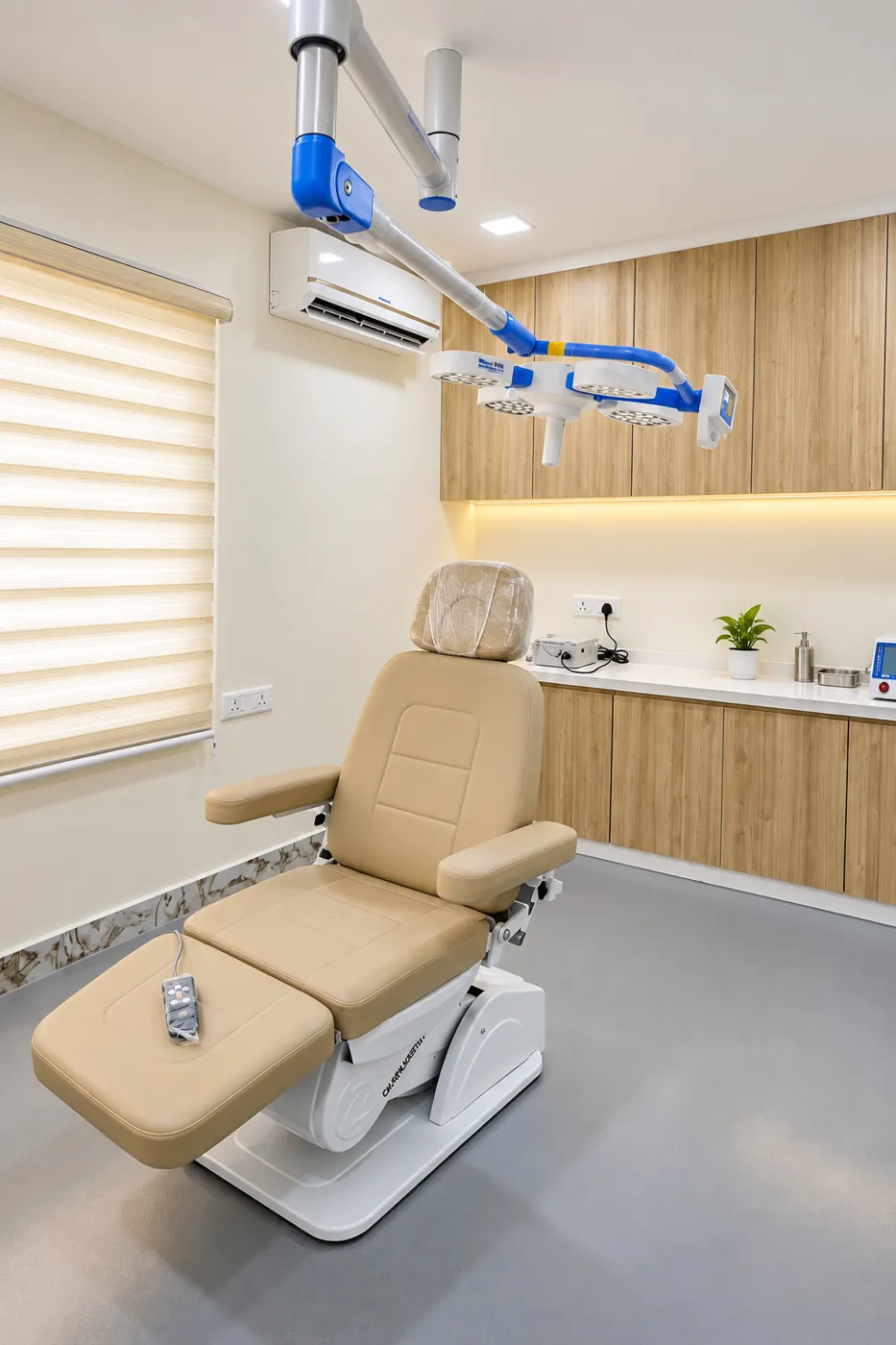
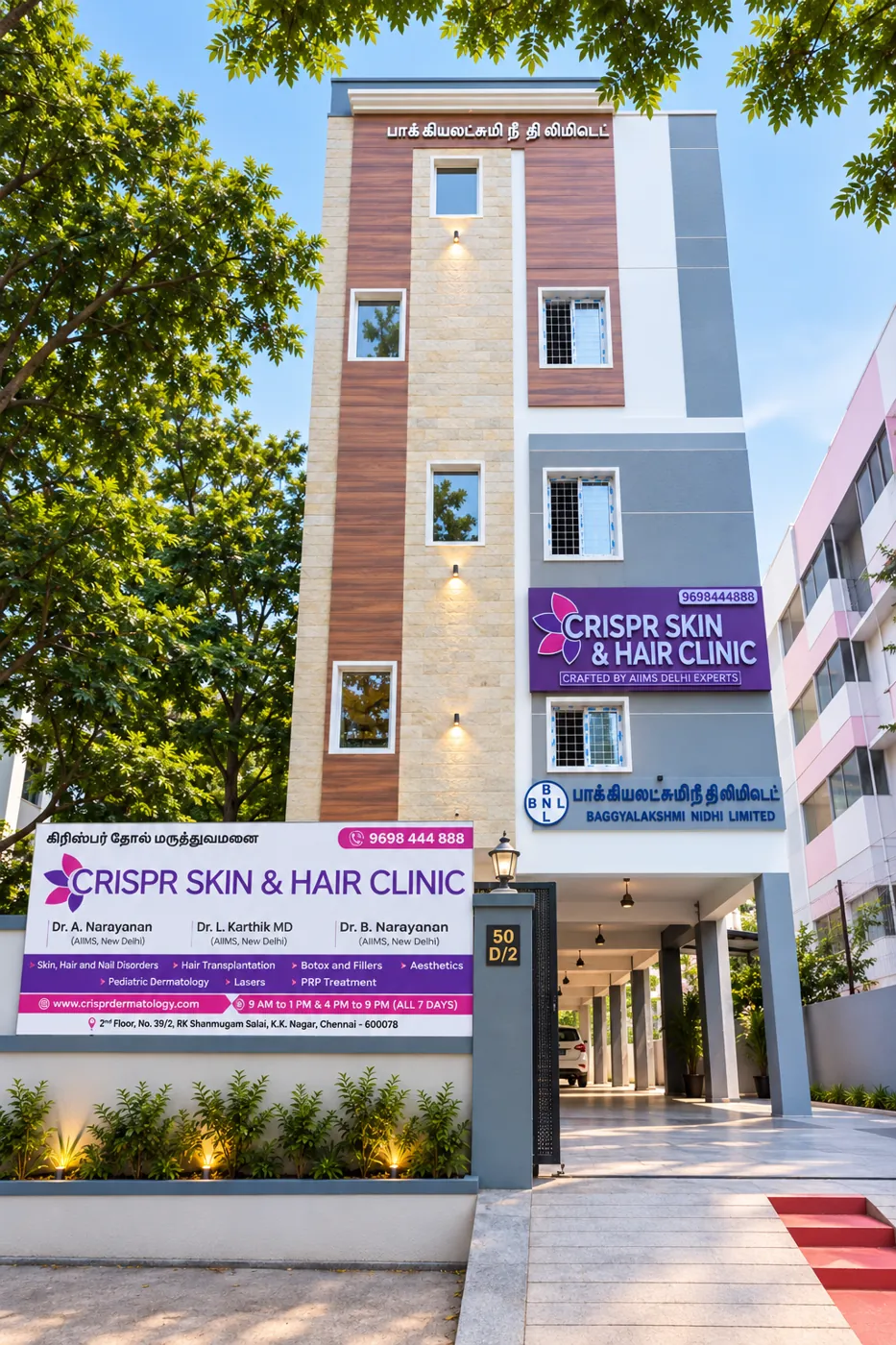
A look inside CRISPR Skin and Hair Clinic, KK Nagar.




Questions patients ask
Frequently Asked Questions
Who can have surgery for vitiligo?
How successful is vitiligo surgery?
How long is recovery after vitiligo surgery?
Will vitiligo surgery leave a scar where the skin is taken?
Will the new colour match my skin?
Which vitiligo surgery method is best?
Book Your Appointment
Select an available time slot below to secure your consultation.
1Choose a slot
Next 7 days
Available slots
You're booked
What to bring
- Previous prescriptions, reports and photos of your condition