Advanced Dermatology

Biologics and Advanced Therapy

For severe or persistent skin disease that has not been controlled by standard treatment, a careful assessment of targeted options.

  • AIIMS-trained dermatologists
  • Consultation first
  • KK Nagar, Chennai
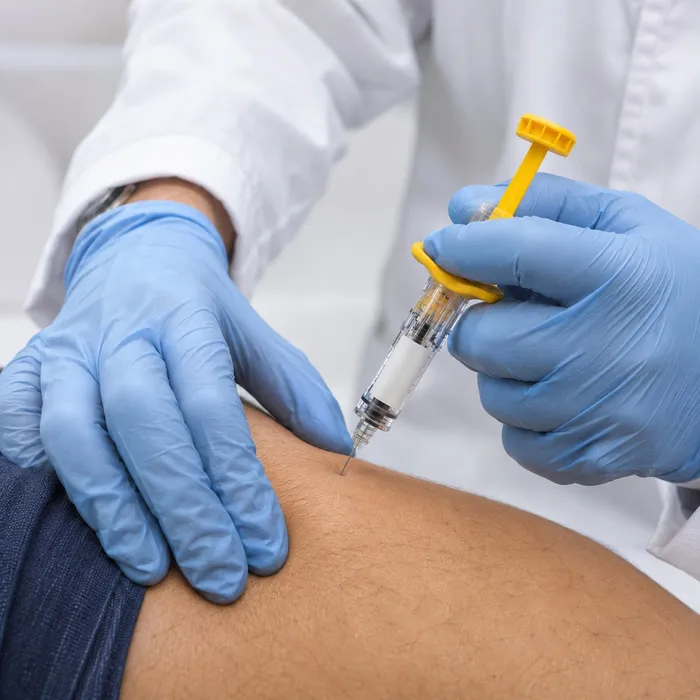
Biologic injection therapy for chronic skin disease

Evidence-based care

No unnecessary procedures

Skin disease not controlled despite treatment?

If creams, tablets, or other standard options have not given you adequate control, a structured review shows whether a step up is appropriate.

Already on advanced treatment and need review?

We review how well your current plan is working and whether any adjustments are needed.

Most skin conditions respond well to standard treatment. A smaller group has disease that remains active, widespread, or disabling despite good basic care. For these patients, newer targeted medicines, including biologics, have changed what is achievable.

Biologics are medicines that block one specific signal driving inflammation. They are used for selected patients with conditions such as moderate-to-severe psoriasis, severe atopic dermatitis, chronic hives that do not respond to antihistamines, and hidradenitis suppurativa. Which medicine, if any, is suitable depends on your condition, health, and circumstances, and availability and approved uses differ between medicines.

What to Expect at Your Visit

We review your diagnosis and what has been tried so far, because the first step is often to optimise standard treatment rather than to escalate. If advanced therapy is appropriate, we discuss the options, arrange screening, and explain monitoring before anything is started.

A Measured Approach

These treatments are powerful tools used within a longer plan. Our aim is the simplest treatment that keeps you well, with honest discussion of benefits, risks, cost, and alternatives, so that the plan is one you can sustain.

How We Evaluate

  1. 1

    Detailed review of the diagnosis, severity, and what has already been tried

  2. 2

    Assessment of overall health, other medical conditions, and pregnancy plans

  3. 3

    Pre-treatment screening, including blood tests and checks for infections such as tuberculosis and hepatitis B, where advised

Treatment Options

Treatment Optimisation First

Making sure standard options have been used correctly before moving to advanced therapy, since many patients improve at this stage.

Biologic Therapy Assessment

For appropriate patients, discussion of targeted injectable medicines, including benefits, risks, monitoring, and practical considerations.

Small-Molecule Targeted Therapy

Where suitable, other targeted options such as JAK inhibitors, with pre-treatment assessment and regular monitoring.

Ongoing Monitoring

Regular follow-up to check response and safety, and to adjust treatment over time.

Conditions We Manage

Related Articles

Visit Our Clinic

A look inside CRISPR Skin and Hair Clinic, KK Nagar.

Clinic interior at CRISPR Skin and Hair Clinic
Patient waiting area at CRISPR Skin and Hair Clinic
Consultation room at CRISPR Skin and Hair Clinic
Procedure room at CRISPR Skin and Hair Clinic
Procedure rooms at CRISPR Skin and Hair Clinic
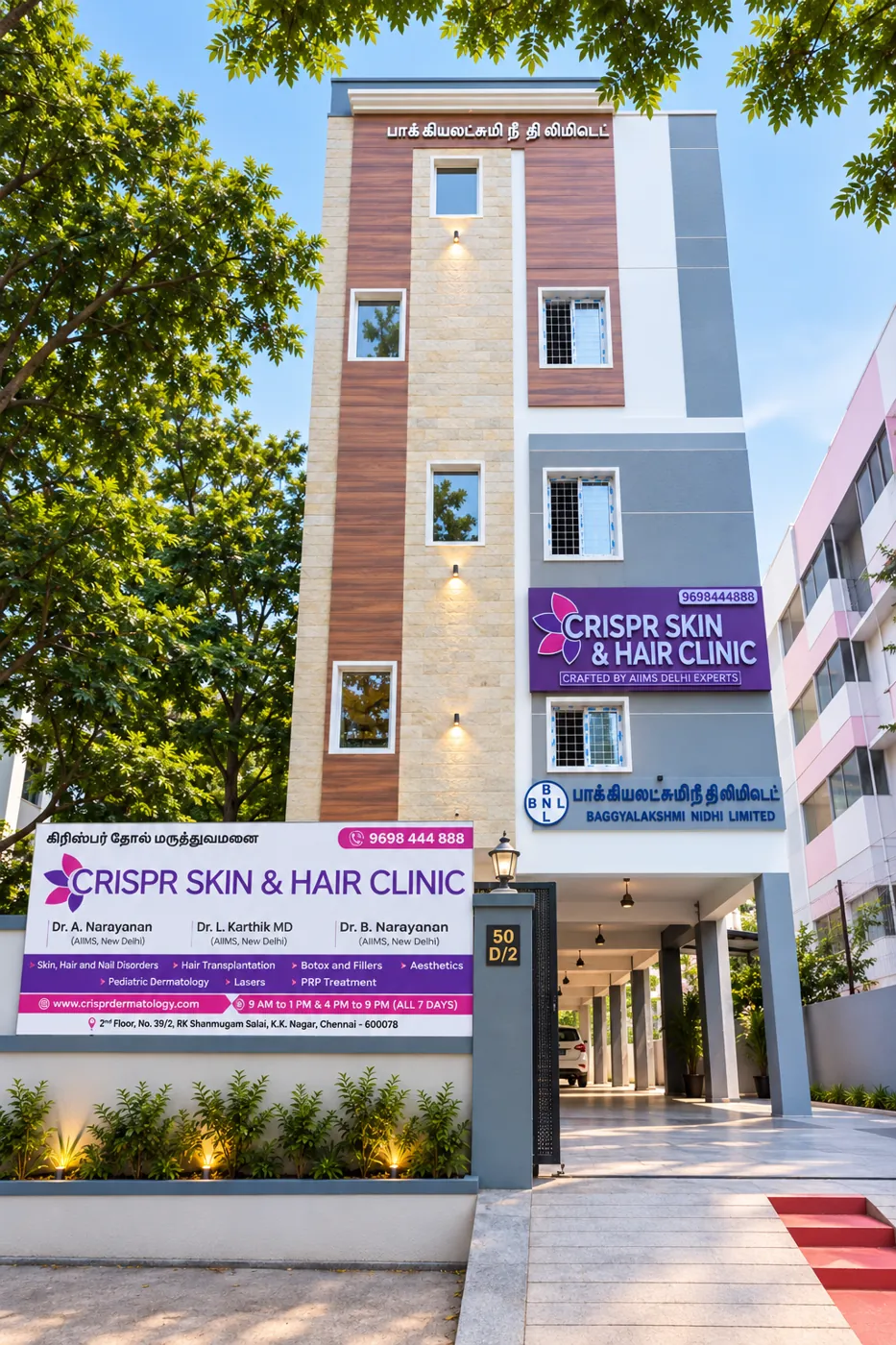
Exterior of CRISPR Skin and Hair Clinic in KK Nagar

Questions patients ask

Frequently Asked Questions

What are biologic medicines in dermatology?
Biologics are medicines made from living cells that block one specific signal in the immune system, rather than suppressing it broadly. They are typically given by injection and are reserved for moderate-to-severe skin disease that has not responded adequately to topical treatment, phototherapy, or other standard options.
Who actually needs a biologic?
Biologics are considered when disease is extensive, affects quality of life significantly, involves the joints, or has not been controlled by simpler treatments. Many people with skin conditions never need one. The decision is made after examination and a review of what has already been tried.
What tests are needed before starting a biologic?
Before starting, your doctor will review your medical history and usually arrange blood tests and screening for infections such as tuberculosis and hepatitis B, since these can flare under immune-modifying treatment. Regular monitoring continues during treatment. The exact tests depend on the medicine chosen and your health.
How long does a biologic take to work?
Response varies by condition and medicine. Many people notice improvement within several weeks, with fuller benefit over a few months. Your doctor will set a point at which to judge whether the treatment is working for you, rather than expecting an instant change.
Can I stop a biologic once my skin clears?
For chronic conditions such as psoriasis and atopic dermatitis, disease often returns after stopping, because the medicine controls rather than cures. Any change to your treatment, including stopping, spacing doses, or switching, should be planned with your doctor rather than done on your own.
Can I take vaccines or get infections while on a biologic?
Biologics can raise the risk of certain infections, so report fever, persistent cough, or any new infection to your doctor promptly. Non-live vaccines are generally considered acceptable, while live vaccines are usually avoided during treatment. Discuss your vaccination plans with your doctor before starting.
How are biologics different from older oral immune-suppressing medicines?
Older oral medicines act broadly on the immune system or on inflammation, and often need regular blood monitoring for effects on the liver, kidneys, or blood counts. Biologics target one specific pathway, which can mean fewer organ-related side effects, though they carry their own considerations such as infection screening. The right choice depends on your condition, other health issues, and what has already been tried.
What are JAK inhibitors, and are they biologics?
JAK inhibitors are not biologics. They are small-molecule medicines, usually taken as tablets or applied as creams, that block signalling inside immune cells. They are used for certain conditions such as severe atopic dermatitis and alopecia areata, depending on the specific medicine and its approved uses. They need pre-treatment assessment and ongoing monitoring, and your doctor will advise whether one is appropriate for you.
Are biologics safe if I am planning a pregnancy?
Safety information differs between medicines, and some are continued during pregnancy while others are paused or changed. Tell your doctor early if you are planning to conceive or become pregnant, so your treatment can be reviewed in advance rather than decided in a hurry.
Are biologic treatments expensive, and how is access arranged?
Biologics are generally among the more costly treatments, and availability, formulations, and lower-cost options differ between medicines. Your doctor will discuss realistic options with you, including whether a less costly treatment could still meet your needs, so that the plan is one you can sustain.
I read about a new treatment online. Should I ask for it?
It is always fine to ask. New does not automatically mean better for you: suitability depends on your condition, severity, other health issues, and what has already been tried, and approval and availability differ by country. We will explain honestly whether a treatment fits, and where evidence is limited we will say so.

Book Your Appointment

Select an available time slot below to secure your consultation.

1Choose a slot

Next 7 days

Available slots

Call WhatsApp Book