
Hives Not Controlled by Antihistamines
Chronic hives that keep returning despite standard treatment have further options worth discussing.
Book a Hives EvaluationHives lasting more than six weeks?
Hives that recur beyond six weeks are considered chronic, and a structured assessment is worthwhile.
Taking antihistamines but still getting hives?
Dosing and timing are reviewed first, and if control remains inadequate, add-on therapy can be considered.
What Is It?
Most people with chronic hives respond to antihistamines, sometimes at higher doses than standard under medical supervision. A smaller group continues to have symptoms despite this, and this is not a sign they have done anything wrong.
For these patients, add-on options exist, including injectable treatment that targets a specific part of the allergic pathway. Treatment is chosen after assessment, and disease often settles over time, so the plan is reviewed regularly.
Risk Factors
- Autoimmune tendency, including thyroid disease
- Ongoing infections or other chronic conditions
- Certain medicines, which can aggravate hives in some people
Symptoms
- Raised, itchy welts that appear and fade within hours
- Swelling of the lips, eyelids, or face in some cases
- Symptoms continuing despite regular antihistamines
Treatment
Antihistamine Optimisation
Reviewing the medicine, dose, and timing under medical guidance before concluding it has failed.
Targeted Add-on Therapy
For persistent disease, injectable or oral add-on options may be considered after assessment.
Investigation
Selected tests to look for associated conditions, guided by history rather than a routine battery.
Related Articles
Related Conditions
Our Specialists



Visit Our Clinic
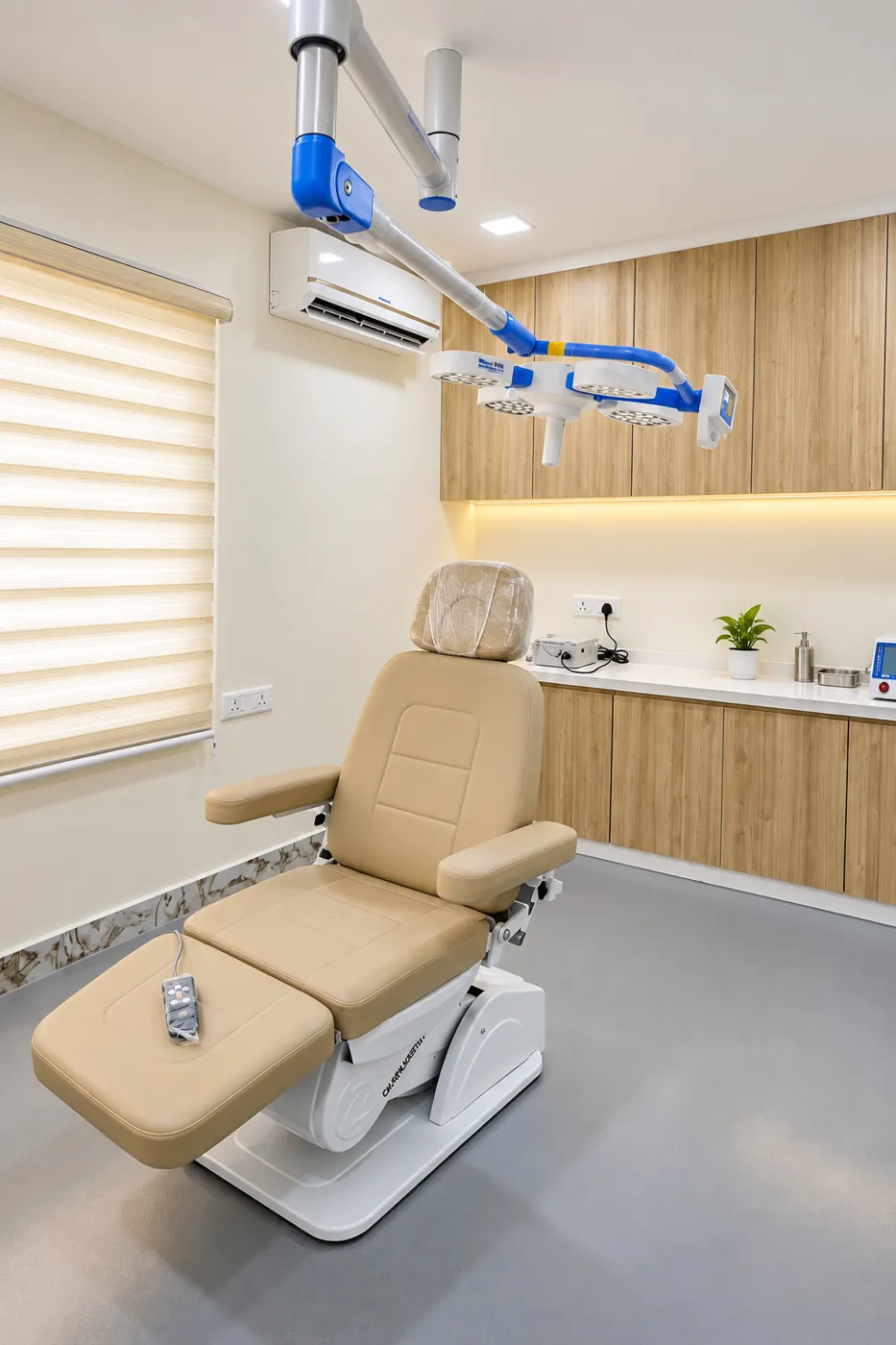
A look inside CRISPR Skin and Hair Clinic, KK Nagar.





Questions patients ask
Frequently Asked Questions
What's the difference between acute and chronic urticaria?
What causes urticaria (hives)?
What are biologic medicines in dermatology?
Book a Hives Evaluation
Schedule a comprehensive evaluation at CRISPR Skin and Hair Clinic. Choose your preferred time and secure your slot instantly.
Open Booking Calendar