
Vaccination in Dermatology
Shingles and HPV vaccines, and the right vaccines at the right time before starting medicines that lower immunity.
- AIIMS-trained dermatologists
- Consultation first
- KK Nagar, Chennai

Evidence-based care
No unnecessary procedures
Want to prevent shingles or HPV-related disease?
Shingles and HPV vaccines are among the most effective preventive steps available. A short consultation confirms whether you are a candidate and which schedule suits you.
About to start a biologic, methotrexate, steroids or another immunosuppressant?
Timing matters. Many vaccines work best, and live vaccines are only safe, when given before treatment begins. We review your records and plan this with you.
Vaccines are usually thought of as a childhood matter, but dermatology is where several of them matter most for adults. Shingles is a skin disease. HPV causes warts and, less often, cancers. And many of our patients are about to start medicines for psoriasis, eczema, hidradenitis or other conditions that lower the immune system, which changes which vaccines are safe and when to give them.
We offer herpes zoster (shingles) vaccination, HPV vaccination, and vaccine planning before immunosuppressant treatment. Vaccines that we do not give, such as routine childhood vaccines, are best taken from your paediatrician or physician, and we will tell you what is due.
Shingles Vaccination
Shingles is a painful blistering rash that can leave nerve pain lasting months. The recombinant vaccine is not a live vaccine and is given as two doses. It is recommended for adults from 50 years, and for adults from 18 years who have, or are about to have, weakened immunity. Our guide on who should take the shingles vaccine explains the details, and the page on herpes zoster covers the illness itself.
HPV Vaccination
The HPV vaccine prevents infection with the virus types behind genital warts and several cancers. It works best before exposure, but adults can still benefit. It does not treat warts you already have. Read what the HPV vaccine does and does not do, and see HPV infection.
Before Immunosuppressants and Biologics
Live vaccines are generally avoided once you are on strong immune-lowering treatment, and non-live vaccines respond better when given beforehand. Planning this a few weeks ahead avoids delaying your treatment. Our pre-treatment vaccine checklist lists what we usually review, and our service for biologics and advanced therapy explains the wider screening.
What to Expect at Your Visit
We review your vaccination record, past illnesses, medicines and any allergies, explain the benefits and possible reactions in plain language, and agree a schedule. Please bring any vaccination certificates and a list of current medicines.
A Measured Approach
Vaccination is advised only where it is indicated for you. We will tell you plainly when a vaccine is not needed, when it should wait, and when it is better given elsewhere.
How We Evaluate
- 1
Review of your vaccination history, past infections (such as chickenpox or shingles) and current medicines
- 2
Assessment of immune status and any skin or medical condition that changes the plan
- 3
Planning the sequence and timing of doses, including before immunosuppressant or biologic treatment
Treatment Options
Herpes Zoster (Shingles) Vaccination
Recombinant, non-live shingles vaccine given as a two-dose course, for suitable adults and for selected younger adults with weakened immunity.
HPV Vaccination
Protection against the HPV types linked to genital warts and several cancers, given as a two- or three-dose course depending on age and immune status.
Pre-Treatment Vaccine Planning
A structured vaccine review before biologics, JAK inhibitors, methotrexate, long-term steroids or similar medicines, so doses are completed in time.
Advice on Other Vaccines
Guidance on which other vaccines you may need and when, to be given by your physician or paediatrician where we do not provide them.
Conditions We Manage
Related Articles
Article
Vaccines and Autoimmune Skin Disease: Myths and Facts
Article
Rash or Swelling After a Vaccine: What Is Normal?
Article
Hepatitis B Vaccination Before Skin Procedures and Biologics
Article
Vaccines Before Immunosuppressants and Biologics: A Checklist
Article
The HPV Vaccine: What It Prevents and What It Does Not
Article
Shingles: Symptoms and the First 72 Hours
Visit Our Clinic
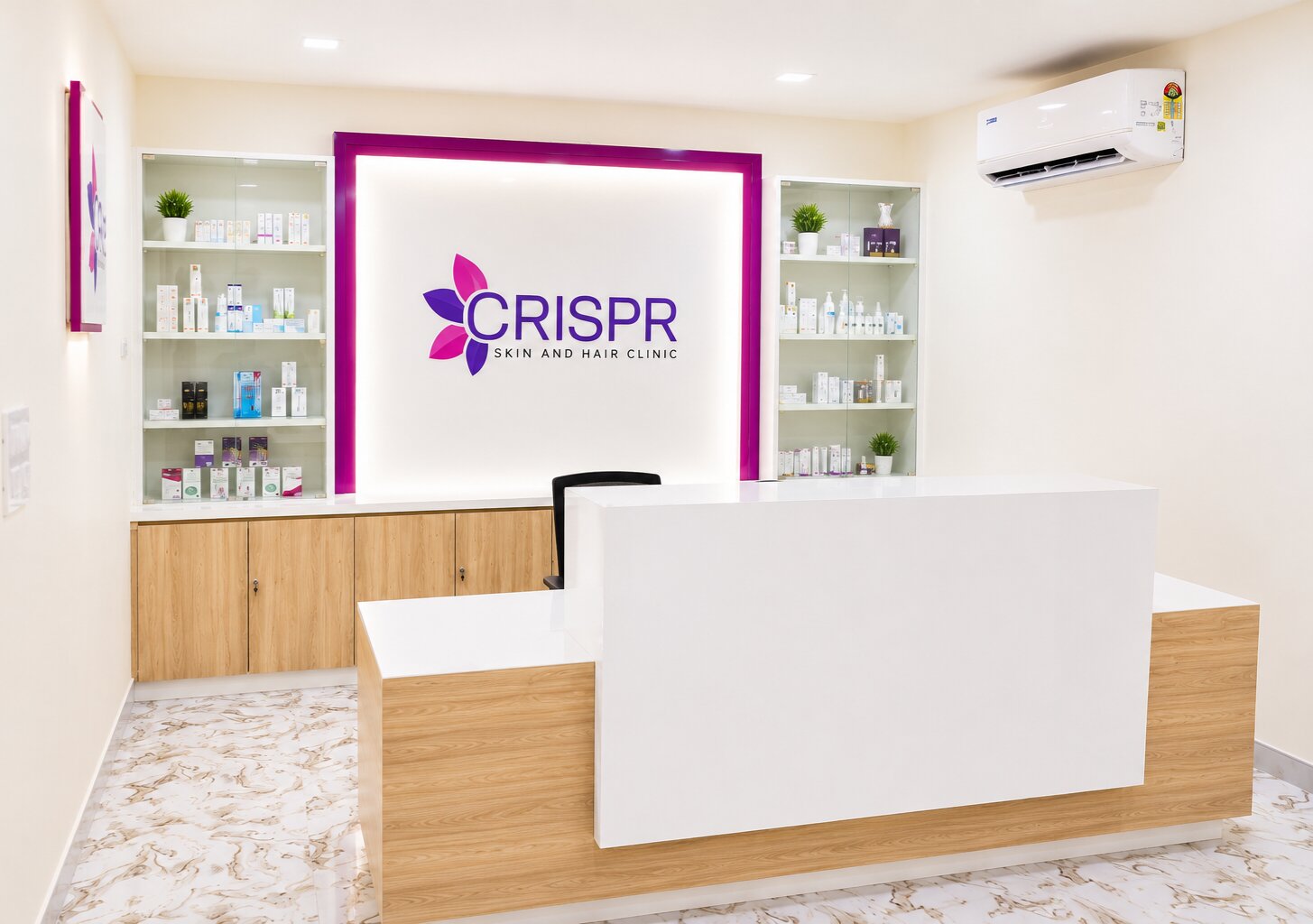
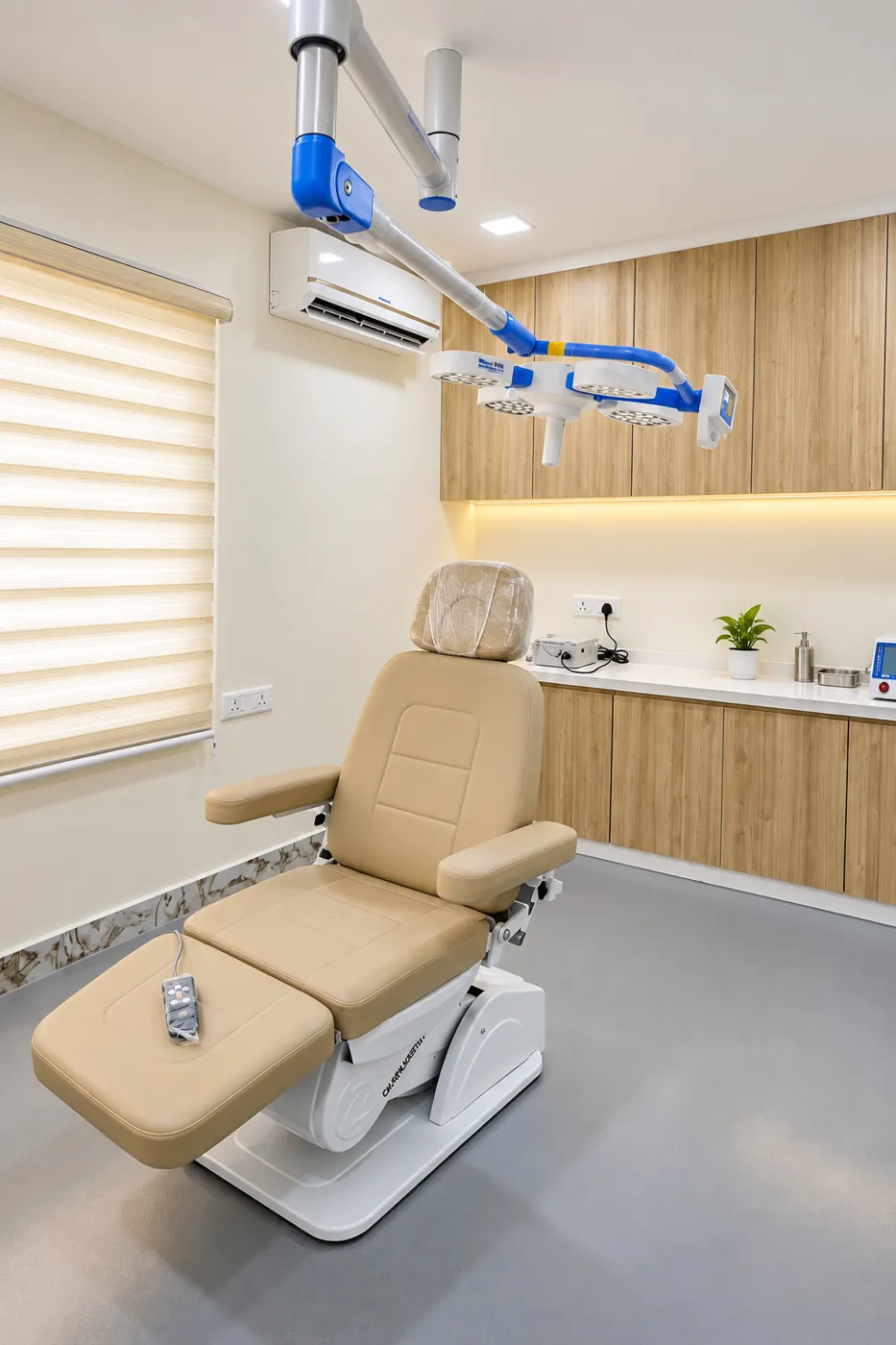
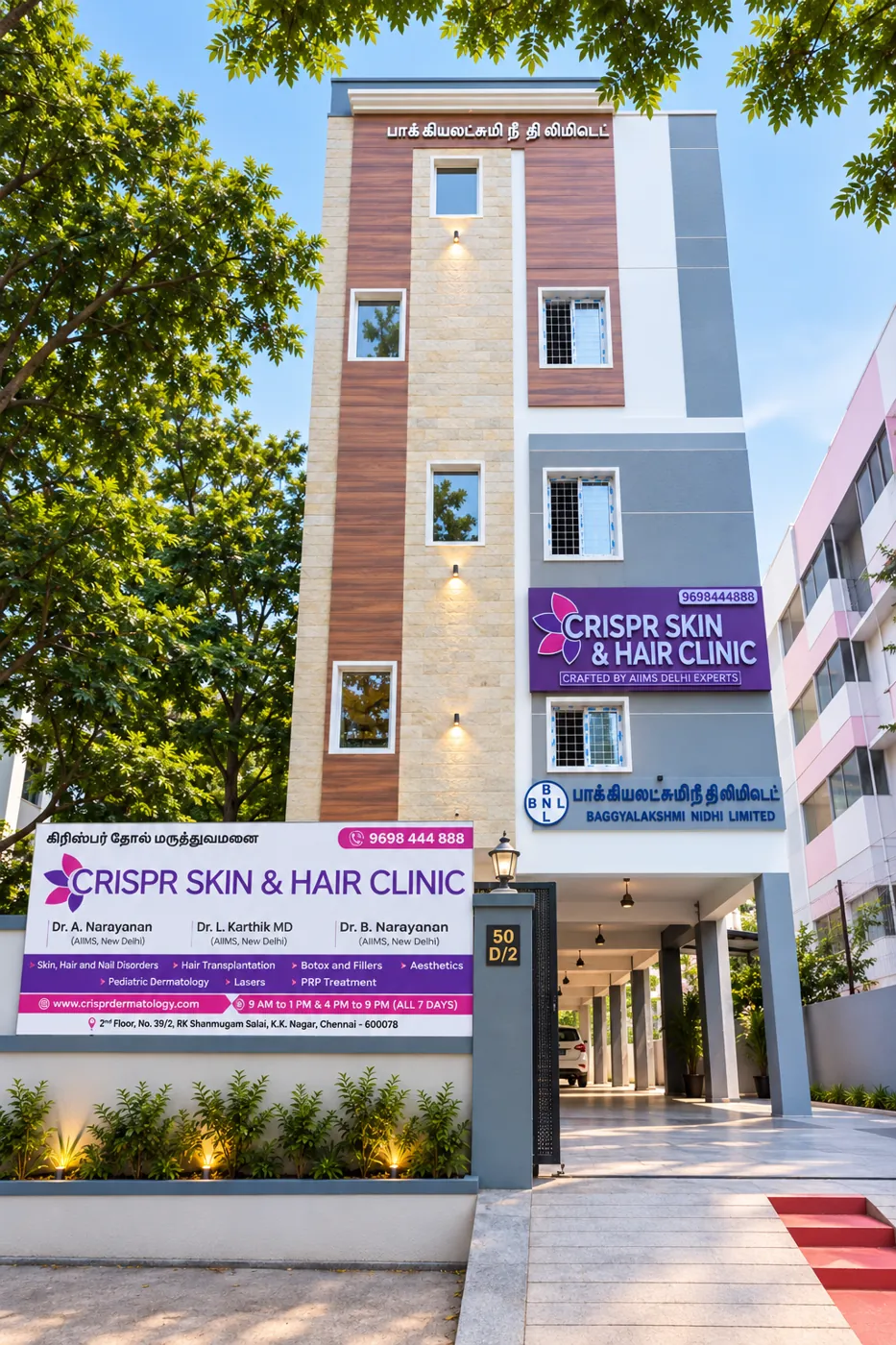
A look inside CRISPR Skin and Hair Clinic, KK Nagar.



Questions patients ask
Frequently Asked Questions
Who can take the shingles vaccine?
Should I take the shingles vaccine if I have already had shingles?
Who should take the HPV vaccine?
Will the HPV vaccine remove warts I already have?
Why should I get vaccinated before starting immunosuppressants?
What is the difference between live and non-live vaccines?
What skin reactions can occur after a vaccine?
Can I take vaccines or get infections while on a biologic?
Book Your Appointment
Select an available time slot below to secure your consultation.
1Choose a slot
Next 7 days
Available slots
You're booked
What to bring
- Previous prescriptions, reports and photos of your condition