
Winter Skin Care
Dry air, air-conditioning and cooler months strip moisture from skin. A few changes, and treatment where needed, keep it comfortable.
- AIIMS-trained dermatologists
- Consultation first
- KK Nagar, Chennai
Evidence-based care
No unnecessary procedures
Skin tight, flaky or itchy when it turns cooler?
Most winter dryness responds to a simple routine. We help you choose products and habits that actually work for your skin type.
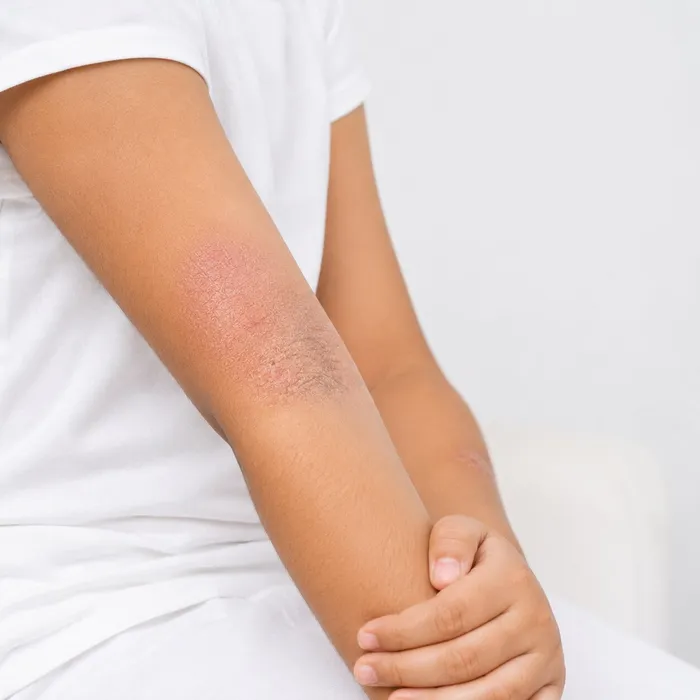
Cracks, rashes or flares that moisturiser is not controlling?
Winter often unmasks eczema, psoriasis, contact dermatitis or a fungal problem. An examination finds the real cause, so treatment is targeted.
When humidity falls, skin loses water faster than it can replace it. Cold air, hot showers, heaters and air-conditioning make this worse, and the result is tightness, flaking, itching and, in some people, cracks that bleed. This happens in Chennai too, where air-conditioned rooms and travel to colder places are often the trigger.
Most winter dryness is simple and treatable at home. A smaller group has an underlying condition, such as eczema, psoriasis or contact dermatitis, that simply flares in the dry season. Treating it as “just dryness” with more cream delays the right treatment.
Our Approach
We start with a simple routine that works: a gentle cleanser, lukewarm water, and moisturiser applied within minutes of bathing. We then examine areas that tend to need more, including heels and lips, hands and the scalp.
For Children and Babies
Young skin loses water faster and flares easily. See our guide to baby and child skin in winter, and our paediatric dermatology service for persistent problems.
When to Book a Visit
Book if itching disturbs sleep, skin is cracking or oozing, a rash spreads, or a moisturiser routine has not helped within two weeks.
How We Evaluate
- 1
Examination to separate simple dryness from eczema, psoriasis, fungal infection or contact allergy
- 2
Review of your bathing, products, clothing and indoor environment, including air-conditioning
- 3
Assessment of hands, feet, lips and scalp, where winter problems are most common
Treatment Options
Moisturiser and Bathing Plan
Practical, product-neutral advice on cleansers, water temperature, timing and the right type of moisturiser for your skin.
Treatment of Winter Flares
Short, supervised treatment for eczema, psoriasis and contact dermatitis that flare when the weather changes.
Heel, Hand and Lip Care
Targeted care for fissures and cracks, including softening treatments and advice that prevents recurrence.
Scalp and Hair Review
Assessment of flaking, itching and increased shedding that people often notice in cooler months.
Conditions We Manage
Related Articles
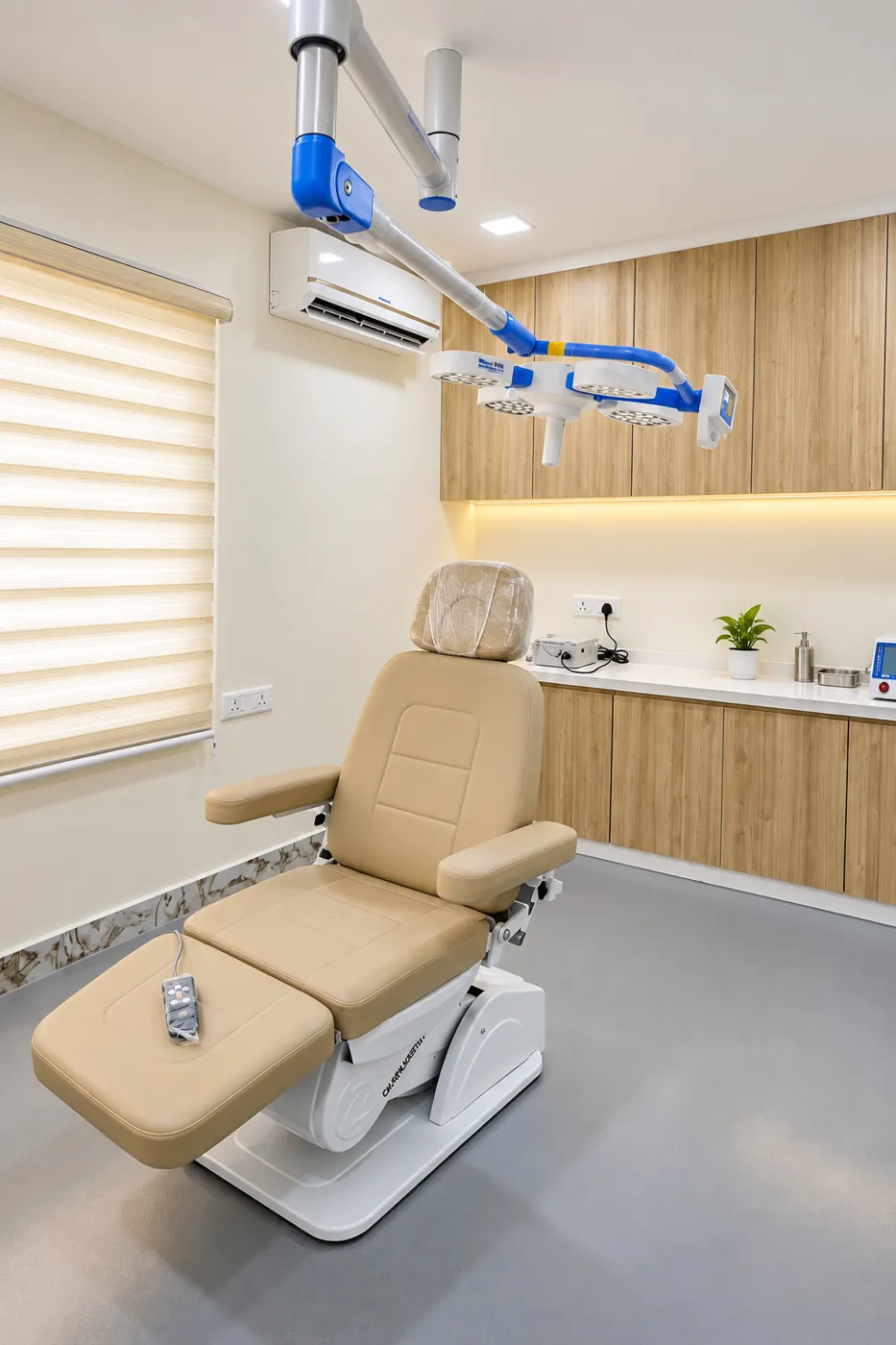
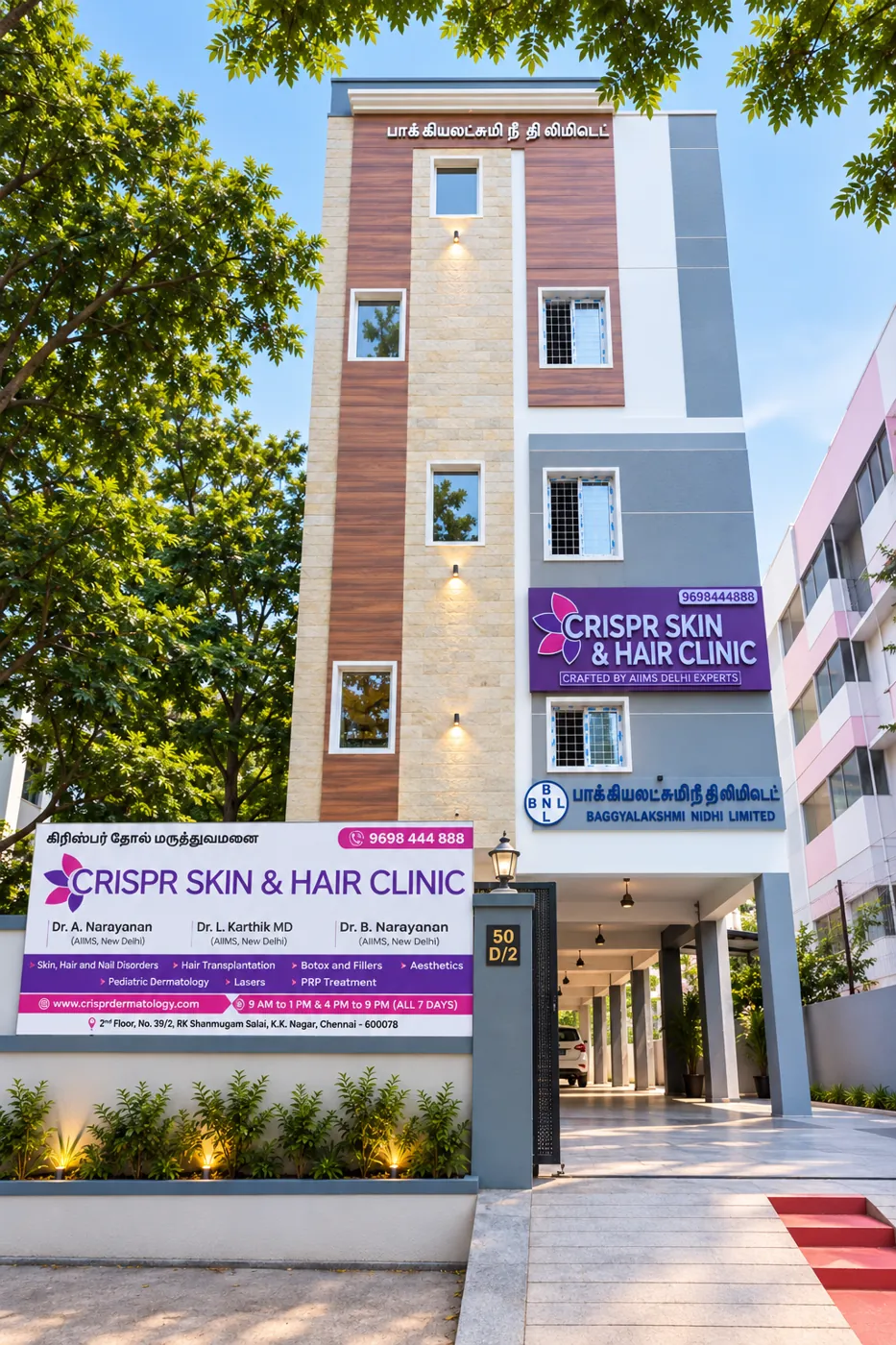
Visit Our Clinic
A look inside CRISPR Skin and Hair Clinic, KK Nagar.




Questions patients ask
Frequently Asked Questions
Why does my skin get so dry in winter?
Which moisturiser is best for winter?
Do I still need sunscreen in winter?
Why does my eczema flare in winter?
How can I prevent cracked heels?
How important is moisturizing for eczema?
Book Your Appointment
Select an available time slot below to secure your consultation.
1Choose a slot
Next 7 days
Available slots
You're booked
What to bring
- Previous prescriptions, reports and photos of your condition