Recurrent Ingrown Toenail
When the same nail edge keeps growing back into the skin, the cause is usually the nail itself, and a definitive procedure is more reliable than repeated trimming.
Book an Ingrown Toenail ConsultationIngrown toenail that keeps returning after treatment?
Recurrence usually means the nail edge or the shape of the nail is the problem. An examination shows which, and what would help.
Had a nail edge removed before and it grew back?
Removing the nail edge alone often fails to last. Treating the growth point as well is what lowers the chance of it returning.
What Is It?
An ingrown toenail that settles and then returns, again and again, is frustrating, and it is common. For many people the first episode responds to simple measures, but if the nail edge is the underlying problem, those measures only buy time. Understanding why it recurs helps decide what to do about it.
Why It Keeps Coming Back
The edge of the nail keeps growing the same way. If the nail is naturally curved, thick, or wide relative to the nail fold, its side edge will keep pressing into the skin as it grows, however carefully it is trimmed.
Removing the edge without treating the growth point. When only the offending sliver of nail is removed, the matrix at the side of the nail can regrow it, often with a sharp spike that digs in again. Treating that growth point is what stops it.
Trimming and footwear habits. Cutting nails too short, rounding the corners, or wearing tight shoes encourages the nail to dig in. See our advice on preventing ingrown toenails.
Repeated injury or infection. Each episode of inflammation and swollen tissue makes the next more likely, and chronic overgrown tissue can keep the cycle going.
When a Procedure Makes Sense
If the toe has settled and flared repeatedly, or a previous simple removal of the edge has failed, a definitive approach is usually reasonable. That is partial nail avulsion with lateral chemical matricectomy: the problem strip of nail is removed and its growth point is treated so it does not regrow. It is done under local anaesthetic and recovery takes several weeks. See what lateral chemical matricectomy involves.
What We Check First
We examine the nail, the surrounding skin, and the pressure points, look for infection or overgrown tissue, and review your circulation and general health. Diabetes, poor circulation, and active infection change the plan, and infection is dealt with first. Where the real problem is another nail condition such as a fungal infection, we address that too; see nail fungus and paronychia.
What Helps Afterwards
Even after a successful procedure, good habits protect the result: cut straight across, not too short; avoid tight or pointed shoes; and keep the toe clean and dry. These steps also help if you have a mild flare and prefer not to proceed.
Realistic Expectations
The procedure substantially lowers the chance that the same edge returns, but no treatment makes recurrence impossible. The treated side of the nail will be a little narrower. We explain the benefits, risks, and alternatives before you decide, so you can choose what suits you.
Risk Factors
- A naturally curved or pincer-shaped nail
- Cutting nails too short or rounding the corners
- Tight or pointed footwear, or repeated pressure on the toe
- Previous partial nail removal without treating the growth point
- Sweaty feet, injury, or conditions such as diabetes that affect healing
Symptoms
- Repeated pain, redness, and swelling along the same side of the nail
- Overgrown, tender tissue (granulation tissue) pressing against the nail edge
- Recurring discharge or infection around the nail
- Pain that returns weeks or months after settling
Treatment
Review of Nail Care and Footwear
Correcting trimming technique and footwear, which matter even after a procedure.
Partial Nail Avulsion With Lateral Chemical Matricectomy
Removes the problem edge and treats the growth point behind it so the edge does not return.
Alternative Approaches
Other options are discussed where the shape of the nail or other factors make them more suitable.
Learn more about Ingrown Toenail Surgery (Lateral Matricectomy) →
Related Articles
Related Conditions
Our Specialists



Visit Our Clinic
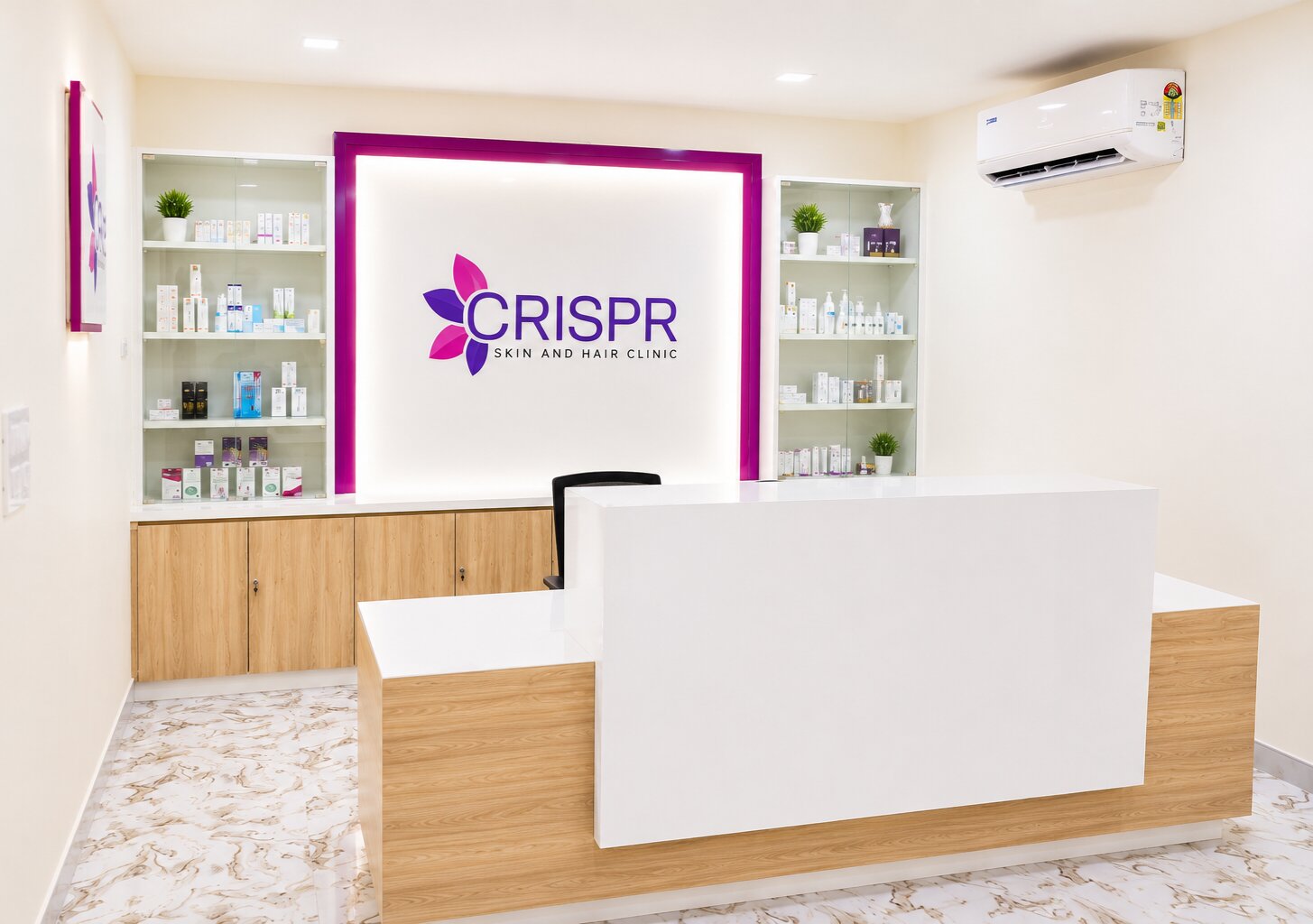
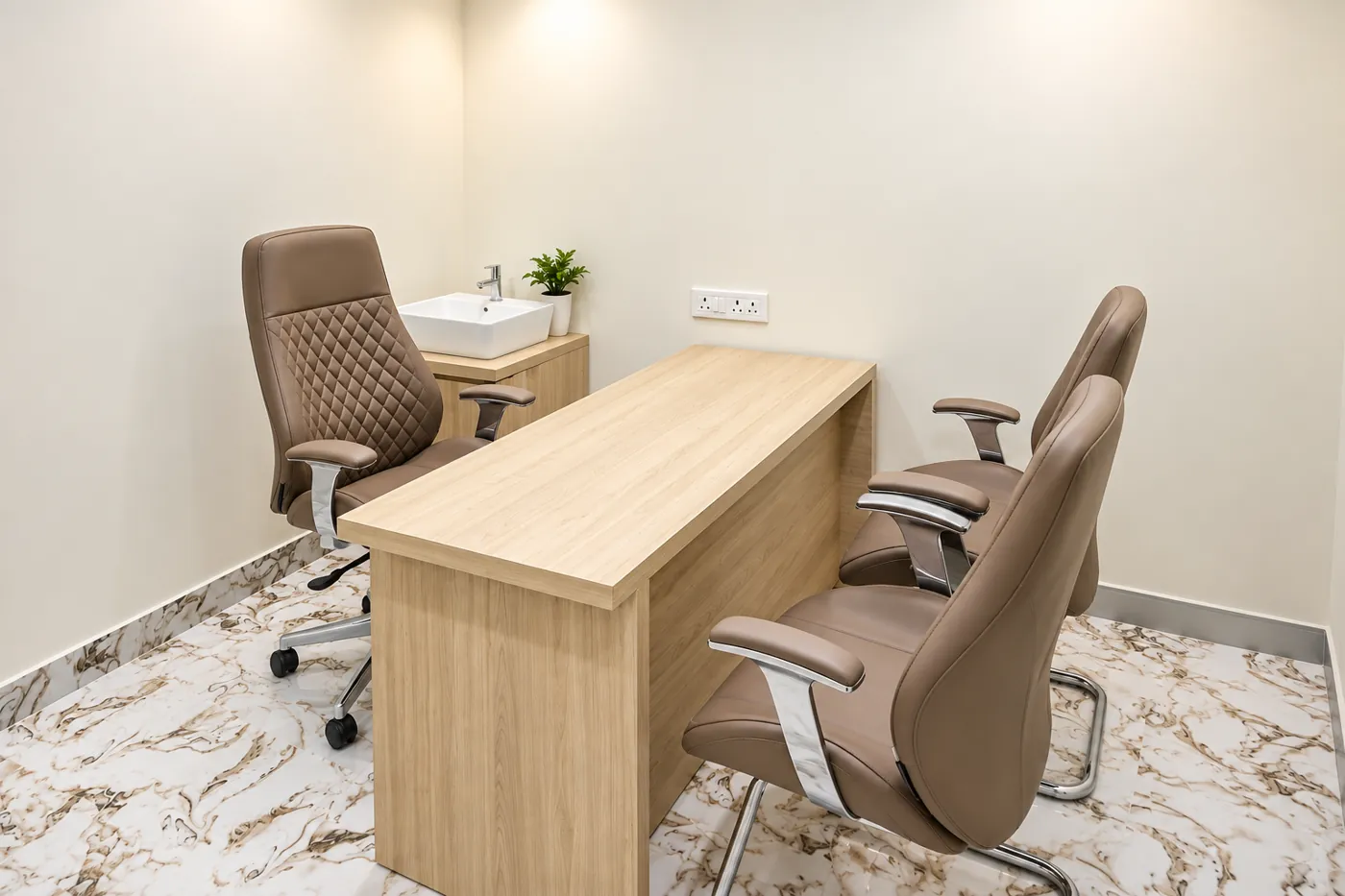
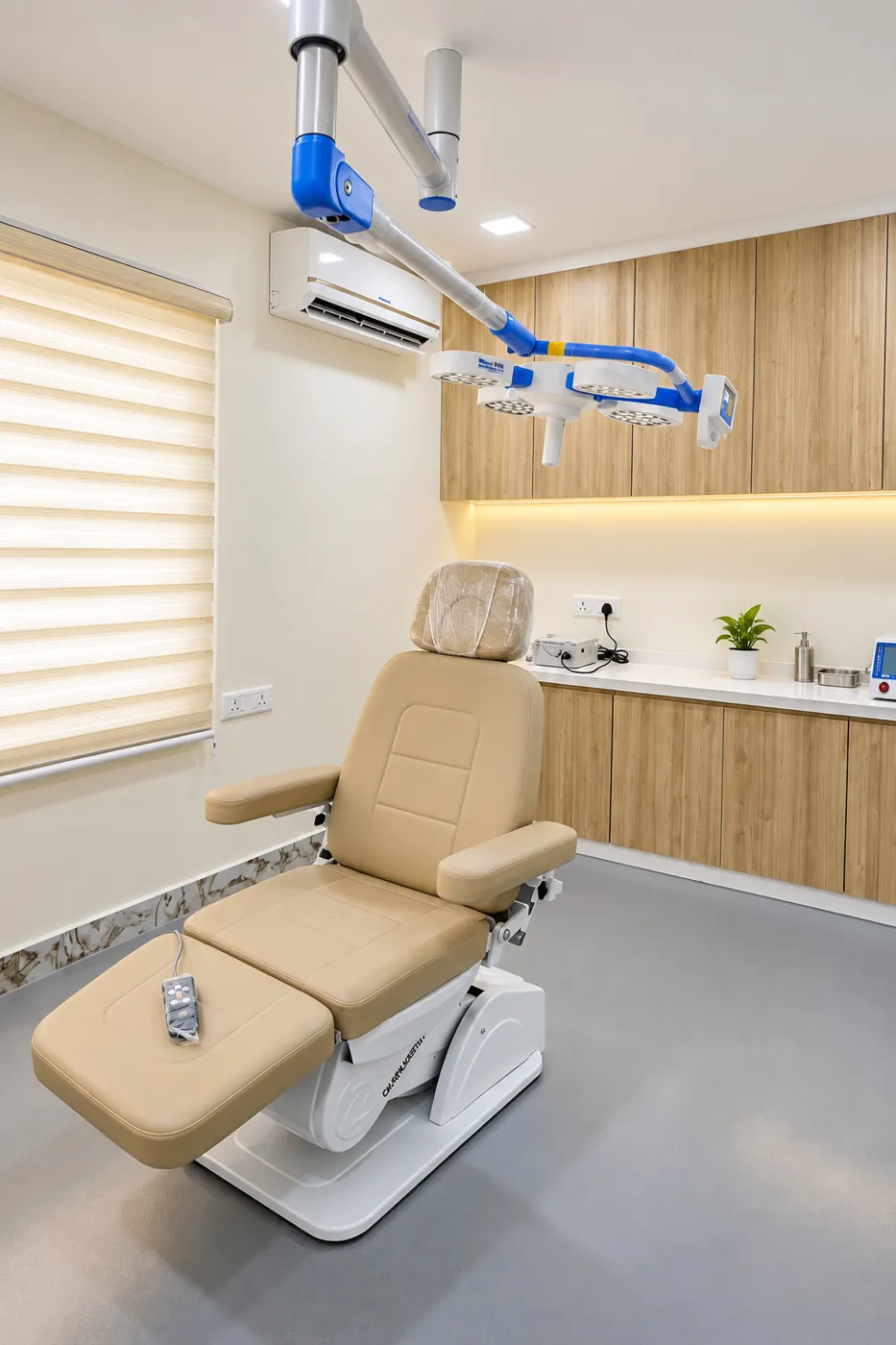
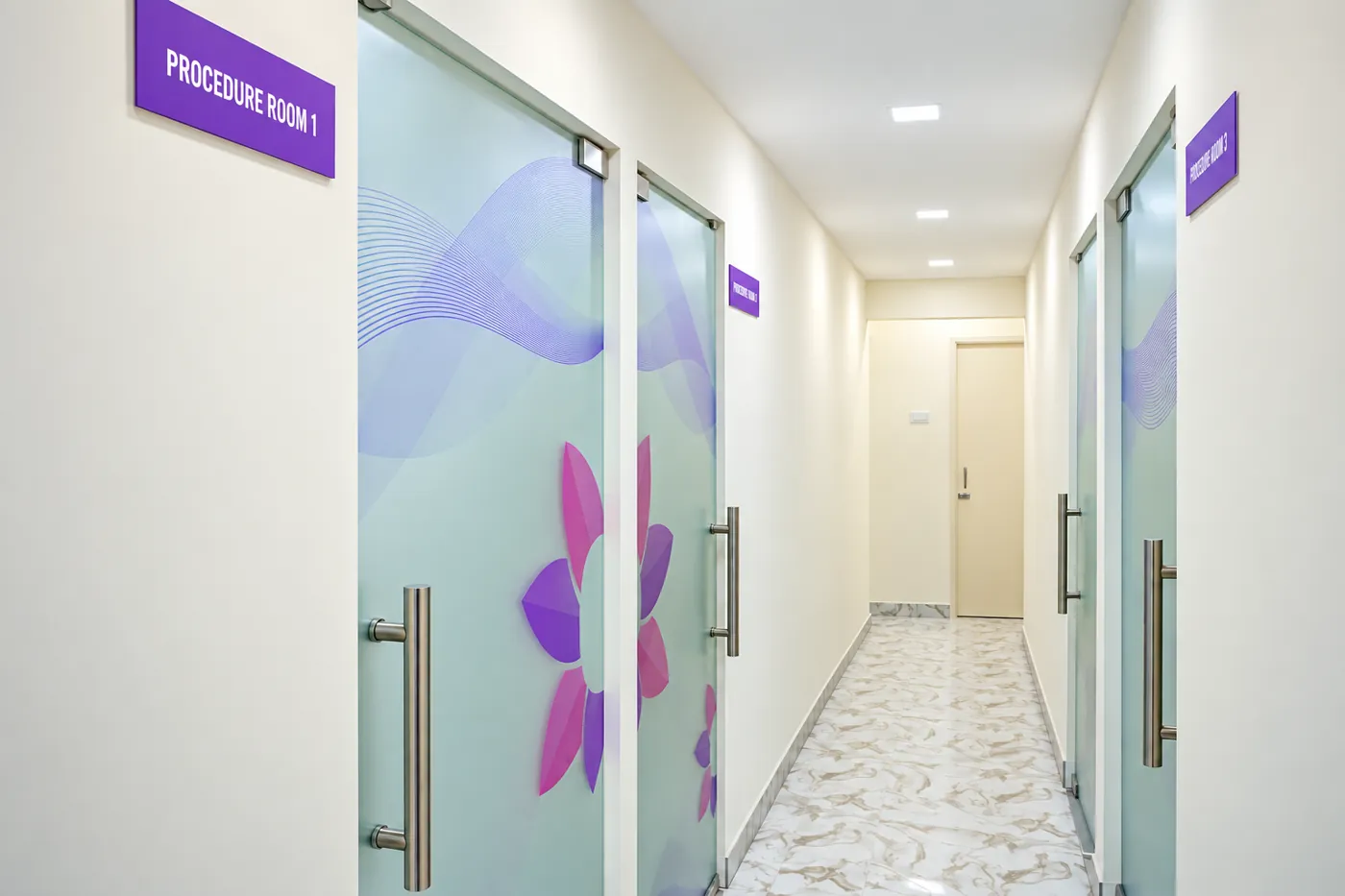
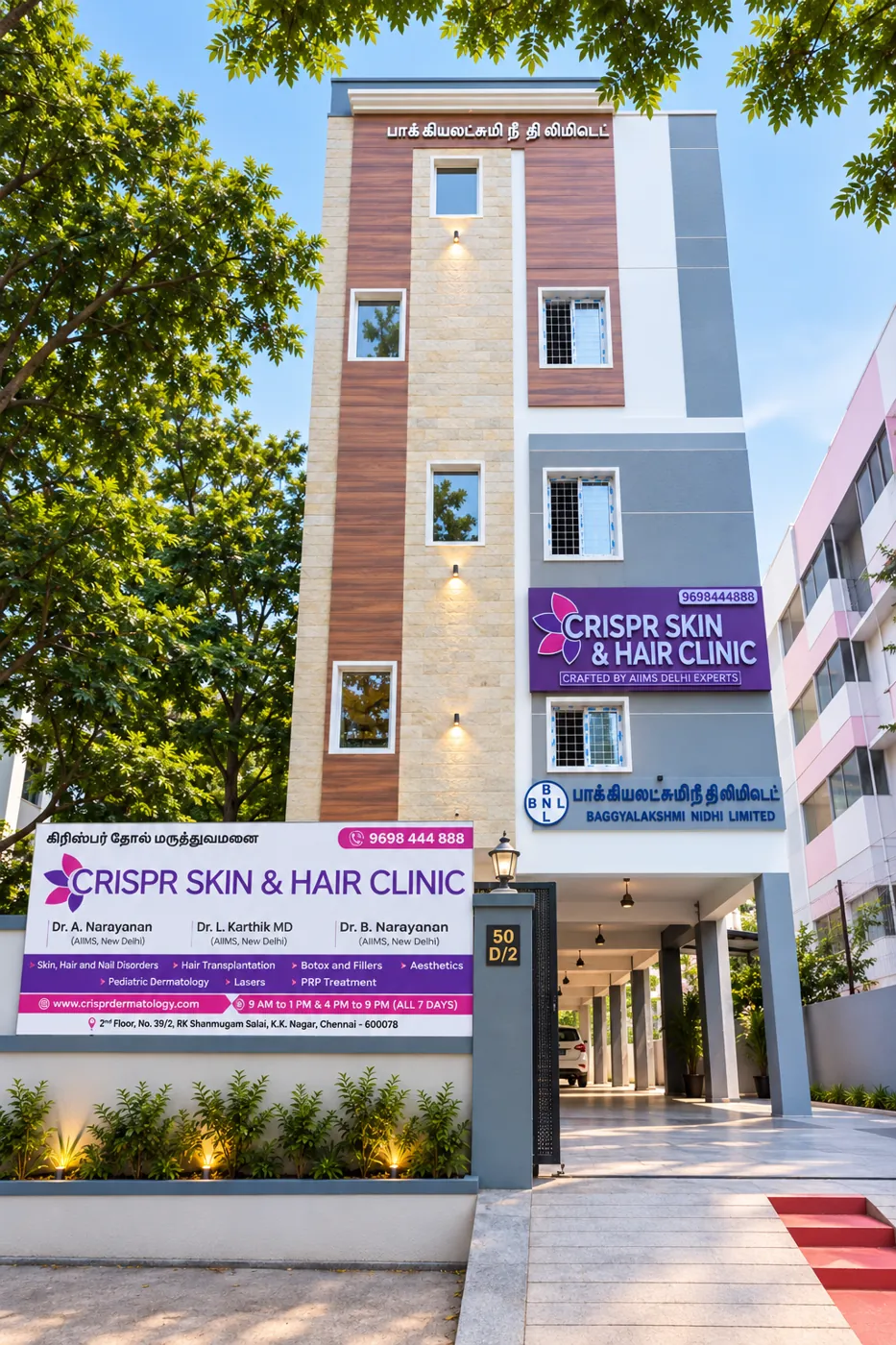
A look inside CRISPR Skin and Hair Clinic, KK Nagar.

Questions patients ask
Frequently Asked Questions
How can I prevent ingrown nails?
Can an ingrown toenail come back after the procedure?
How long does recovery take after nail avulsion with matricectomy?
Book an Ingrown Toenail Consultation
Schedule a comprehensive evaluation at CRISPR Skin and Hair Clinic. Choose your preferred time and secure your slot instantly.
Open Booking Calendar