Ingrown Toenail Surgery
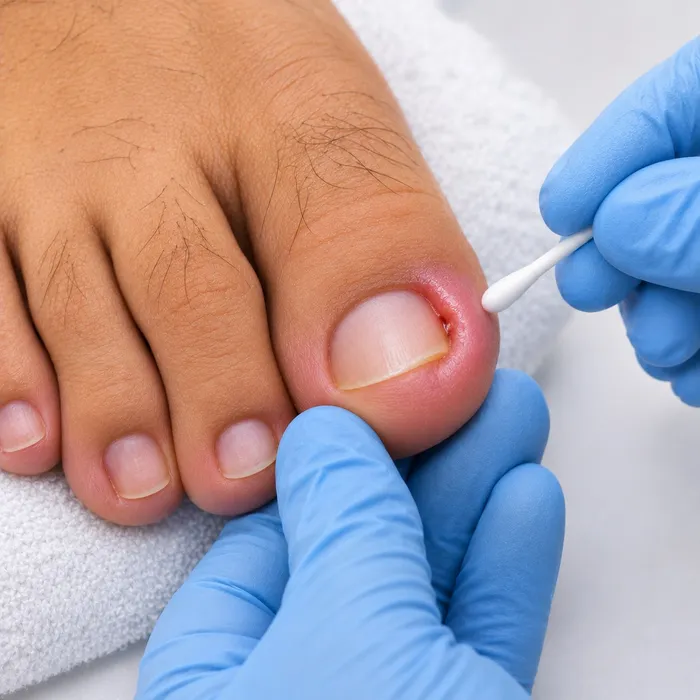
Partial nail avulsion with lateral chemical matricectomy: a short procedure that removes the problem edge and treats the growth point behind it, so it is less likely to return.
- AIIMS-trained dermatologists
- Consultation first
- KK Nagar, Chennai
Evidence-based care
No unnecessary procedures
Painful ingrown toenail that keeps returning?
If trimming, soaks, and careful nail care have not solved it, or it has come back after previous treatment, a definitive procedure is worth discussing.
Considering the procedure and want to know what happens?
We explain each step, the recovery, the effect on the nail's appearance, and the alternatives, so you can decide with full information.
An ingrown toenail happens when the edge of the nail grows into the skin beside it, causing pain, swelling, and sometimes infection. Early cases often settle with good nail care. When the problem is established, keeps coming back, or is too painful to manage at home, a procedure that deals with the cause is usually the most reliable solution.
What the Procedure Involves
The procedure combines two steps. In a partial nail avulsion, the offending strip of nail at the side of the toe is removed under local anaesthetic, which relieves the pressure straight away. In lateral chemical matricectomy, the small area of nail-forming tissue (the matrix) that would regrow that strip is treated with a chemical, so the problem edge does not grow back. Doing both together is what makes recurrence much less likely than removing the nail edge alone. We cover this in detail in our guide to lateral chemical matricectomy.
Is It Right for You?
It is generally considered for ingrown toenails that are persistent, recurrent, or moderately to severely painful, particularly where the edge has repeatedly returned despite trimming or previous partial removal. We assess infection first, since active infection is treated before or alongside the procedure, and we review circulation, diabetes, and other health conditions that affect healing. See ingrown toenails and recurrent ingrown toenails for how we assess them.
What to Expect on the Day
The toe is numbed with a local anaesthetic injection at its base, which is the most uncomfortable part, and after that you should feel pressure but not pain. The procedure itself is short, and most people walk out the same day with a dressing and clear instructions. Our article on what to expect before and after ingrown toenail surgery walks through the day and the recovery.
Recovery and the Result
Expect some drainage and tenderness over the following weeks as the toe heals, with dressing changes and protection from pressure. Most people return to ordinary activities within days, with a longer wait before strenuous exercise or tight shoes. The nail will be slightly narrower at the treated side, which is the trade-off for a much lower chance of the problem returning.
Alternatives
Alternatives include continued conservative care, partial avulsion without the chemical step, or, in rare cases, more extensive surgery. We explain the benefits and drawbacks of each, including how likely the problem is to return, so you can choose what suits you.
Booking
Online booking is for a consultation. The procedure is planned and scheduled with the doctor after your examination.
Realistic Expectations
No procedure removes every possibility of recurrence, and healing takes several weeks. We explain risks such as infection, delayed healing, and a narrowed nail before you decide, and we tell you plainly when we think the procedure is not the right choice for you yet. If you are unsure whether you need it, an examination gives you a clear answer.
How We Evaluate
- 1
Examination of the nail edge, surrounding skin, and degree of swelling or overgrown tissue
- 2
Assessment for infection, which is treated first
- 3
Review of circulation, diabetes, and other conditions that affect healing
Treatment Options
Conservative Care First
For early or mild cases, correct nail trimming, footwear changes, and protective measures are tried before any procedure.
Partial Nail Avulsion
Under local anaesthetic, the ingrowing strip of nail at the side is removed, giving immediate relief from pressure.
Lateral Chemical Matricectomy
A chemical is applied to the exposed growth point (matrix) at the side of the nail to prevent that strip of nail from growing back.
Aftercare and Follow-Up
Dressing guidance, what to expect as the toe heals, and review to check the result.
Conditions We Manage
Related Articles
Visit Our Clinic
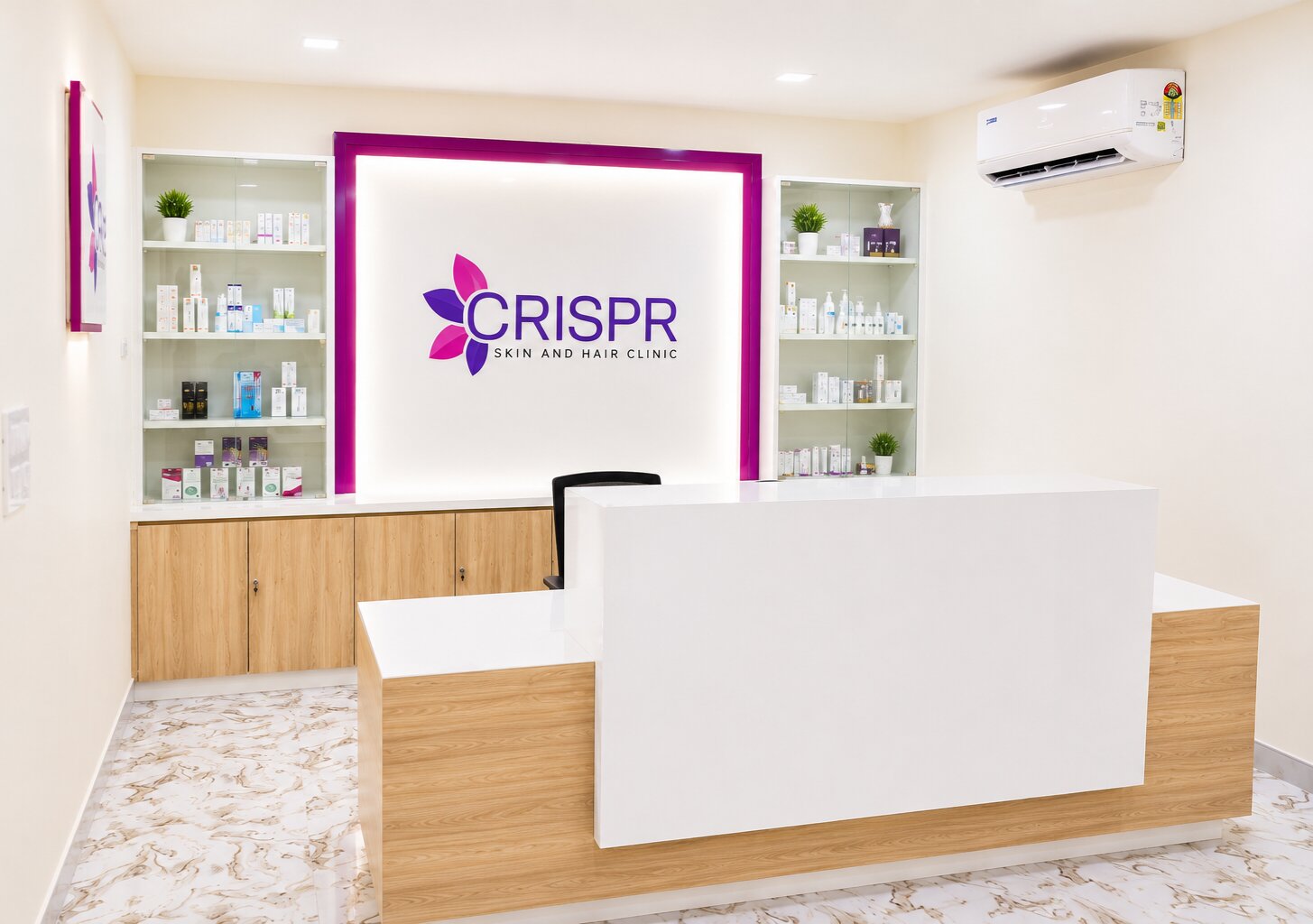
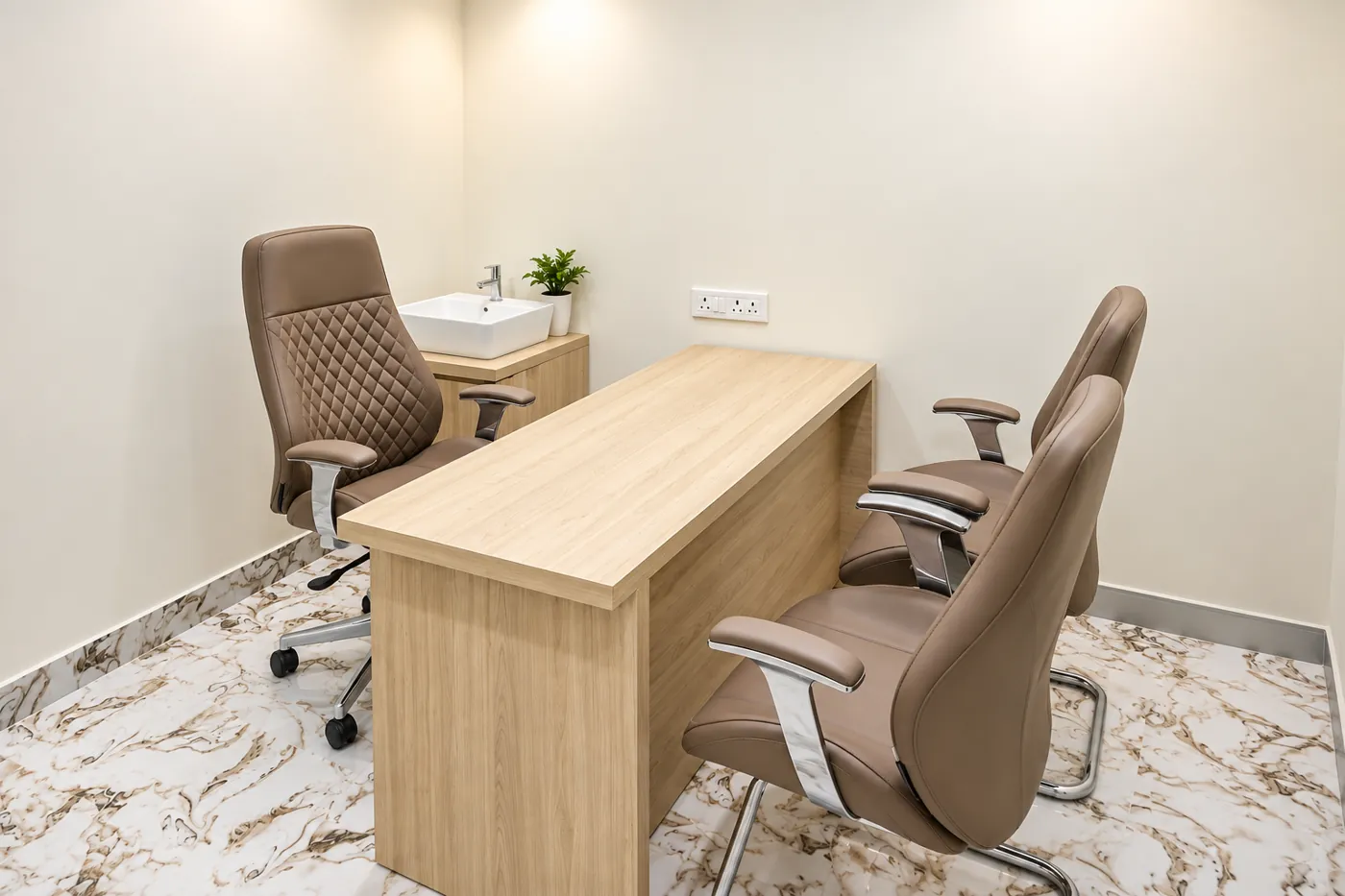
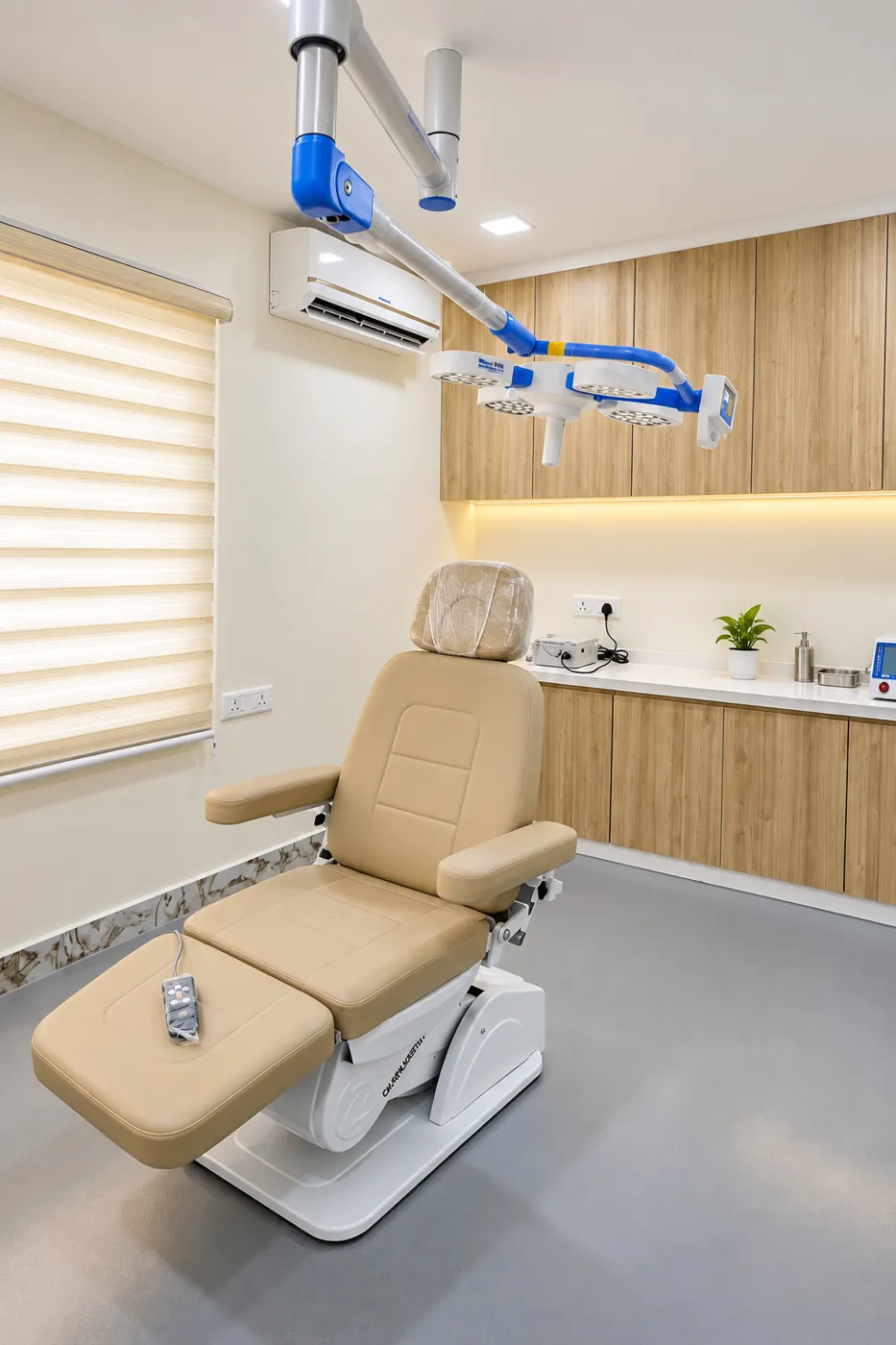
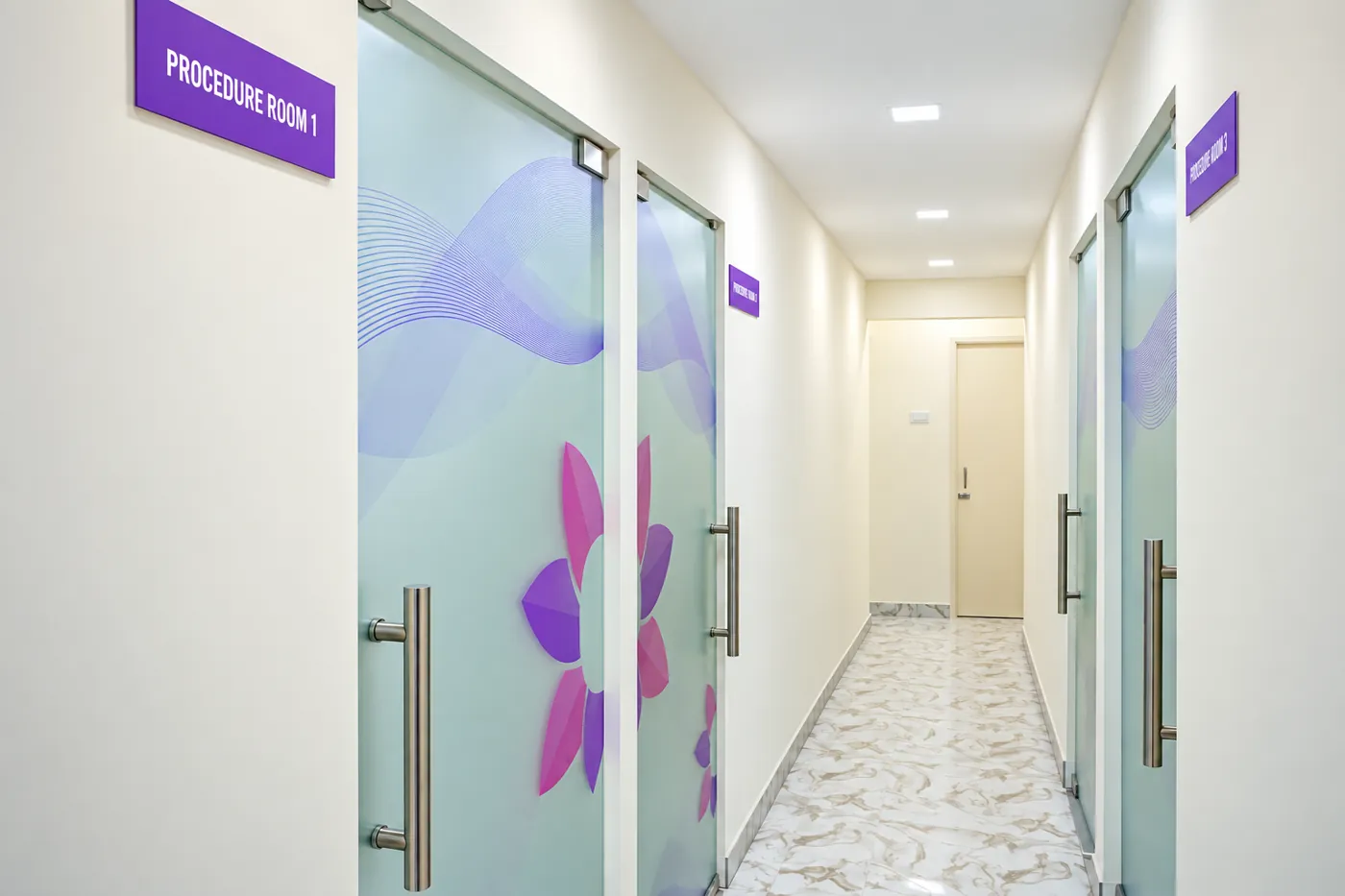
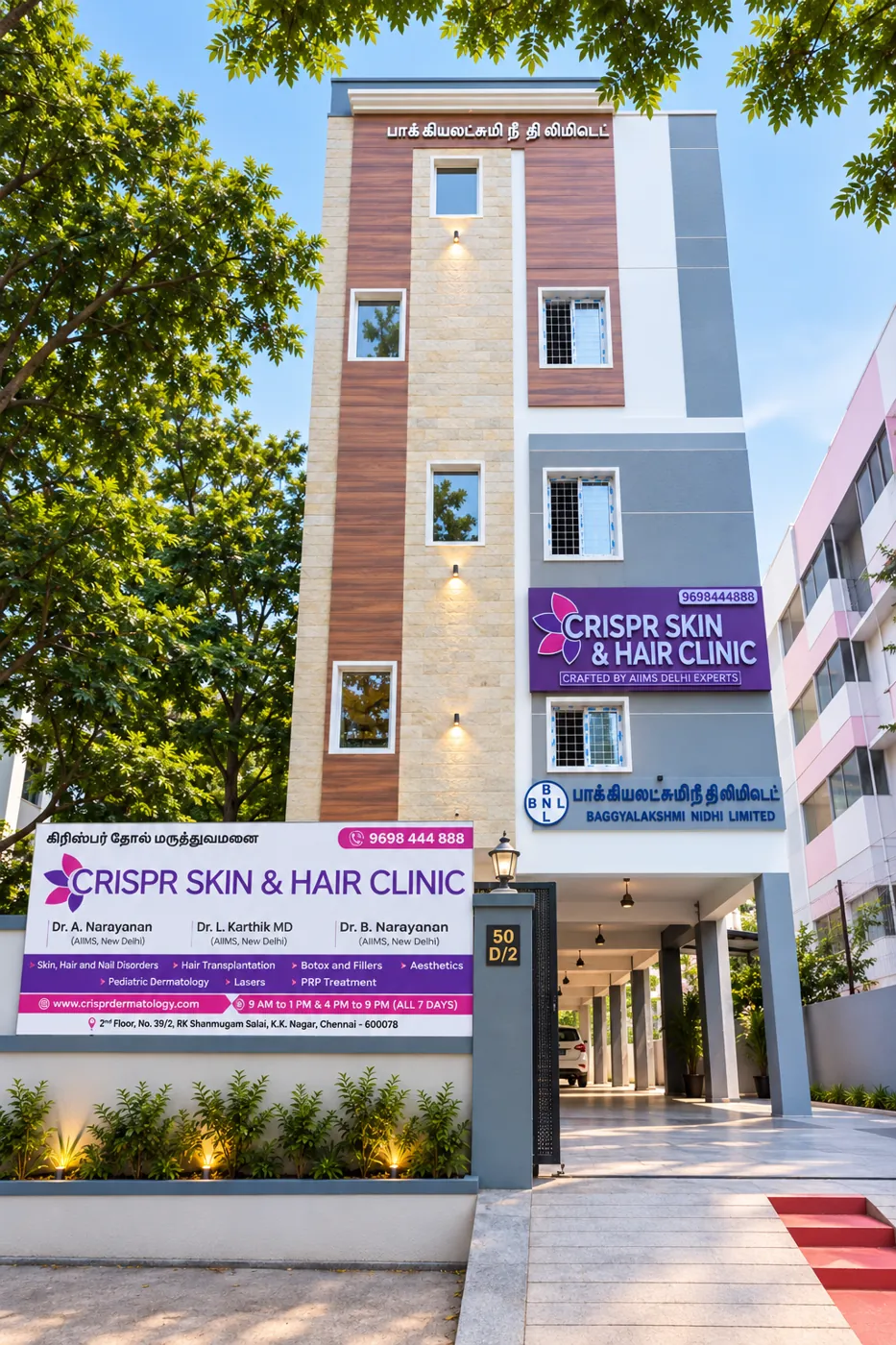
A look inside CRISPR Skin and Hair Clinic, KK Nagar.

Questions patients ask
Frequently Asked Questions
How can I prevent ingrown nails?
Is ingrown toenail surgery painful?
How long does recovery take after nail avulsion with matricectomy?
Will my toenail grow back after lateral chemical matricectomy?
Can an ingrown toenail come back after the procedure?
How will my toenail look after the procedure?
Can I have ingrown toenail surgery if I have diabetes?
Book Your Appointment
Select an available time slot below to secure your consultation.
1Choose a slot
Next 7 days
Available slots
You're booked
What to bring
- Previous prescriptions, reports and photos of your condition