Food and Skin Disease
Some foods matter for some skin conditions. Many popular beliefs do not hold up. Here is what the research actually supports.
- AIIMS-trained dermatologists
- Consultation first
- KK Nagar, Chennai
Evidence-based care
No unnecessary procedures
Wondering whether something you eat is affecting your skin?
A careful history, and tests where they are useful, separate real food triggers from myths, so you do not cut out foods you do not need to.
Already following a restrictive diet for your skin?
Strict elimination diets can cause deficiencies without helping the skin. We review what you are avoiding and whether it is justified.
“What should I eat for my skin?” is one of the questions we are asked most. Social media is full of confident answers. The research is more modest and more useful: a few dietary links are real, many are exaggerated, and some popular restrictions are harmful.
What the Evidence Supports
- Acne: diets with a high glycaemic load are linked to worse acne, and some people notice a link with milk, particularly skimmed milk, and with whey protein supplements. See food and acne.
- Eczema: food allergy is a trigger in a minority, mainly young children with more severe eczema. Cutting out foods without proof does more harm than good. See food allergy and eczema.
- Psoriasis: weight loss in people who are overweight, and less alcohol, help. Gluten-free diets help only in those with coeliac disease or related antibodies. See psoriasis and diet.
- Hair: iron deficiency, very low protein intake, and crash diets can cause shedding. See nutrition and hair loss.
What the Evidence Does Not Support
- That milk, fish, curd or citrus cause or worsen vitiligo.
- That “detox” diets treat skin disease.
- That low-histamine diets reliably help chronic hives.
- That high-dose biotin or other supplements grow hair in people who are not deficient. See skin and hair supplements.
Start With the Big Picture
Read diet and skin: what the evidence actually shows for an overview.
A Measured Approach
We recommend changes that research supports, test before restricting, and keep diets balanced. If you suspect a food, keep a short diary and bring it to your visit.
How We Evaluate
- 1
Detailed history of symptoms and their timing in relation to food, medicines and other triggers
- 2
Allergy testing and supervised food challenge only where the history suggests a true food allergy
- 3
Blood tests for deficiencies, such as iron, vitamin D and B12, where relevant to hair and skin
Treatment Options
Food Allergy Assessment
Identifying true allergy, which is relevant in some children with eczema and in some people with hives, and avoiding unnecessary restrictions.
Evidence-Based Dietary Advice
Practical guidance on the few dietary changes that have research support for acne, psoriasis and weight-related skin changes.
Deficiency Correction
Testing and, where needed, treating low iron, vitamin D or B12, which can contribute to hair shedding and other problems.
Supplement Review
Honest advice on which supplements help and which only add cost or risk.
Conditions We Manage
Related Articles
Article
Psoriasis in Winter: Why It Flares and What Helps
Article
Why Eczema Flares in Winter, and How to Calm It
Article
Supplements for Skin and Hair: What Helps and What Does Not
Article
A Vitiligo Treatment Roadmap: What to Expect From First Visit to Long-Term Care
Article
Hives and Food: Do Low-Histamine Diets Work?
Article
Winter Hair Fall and Dry Scalp: What Is Normal?
Visit Our Clinic
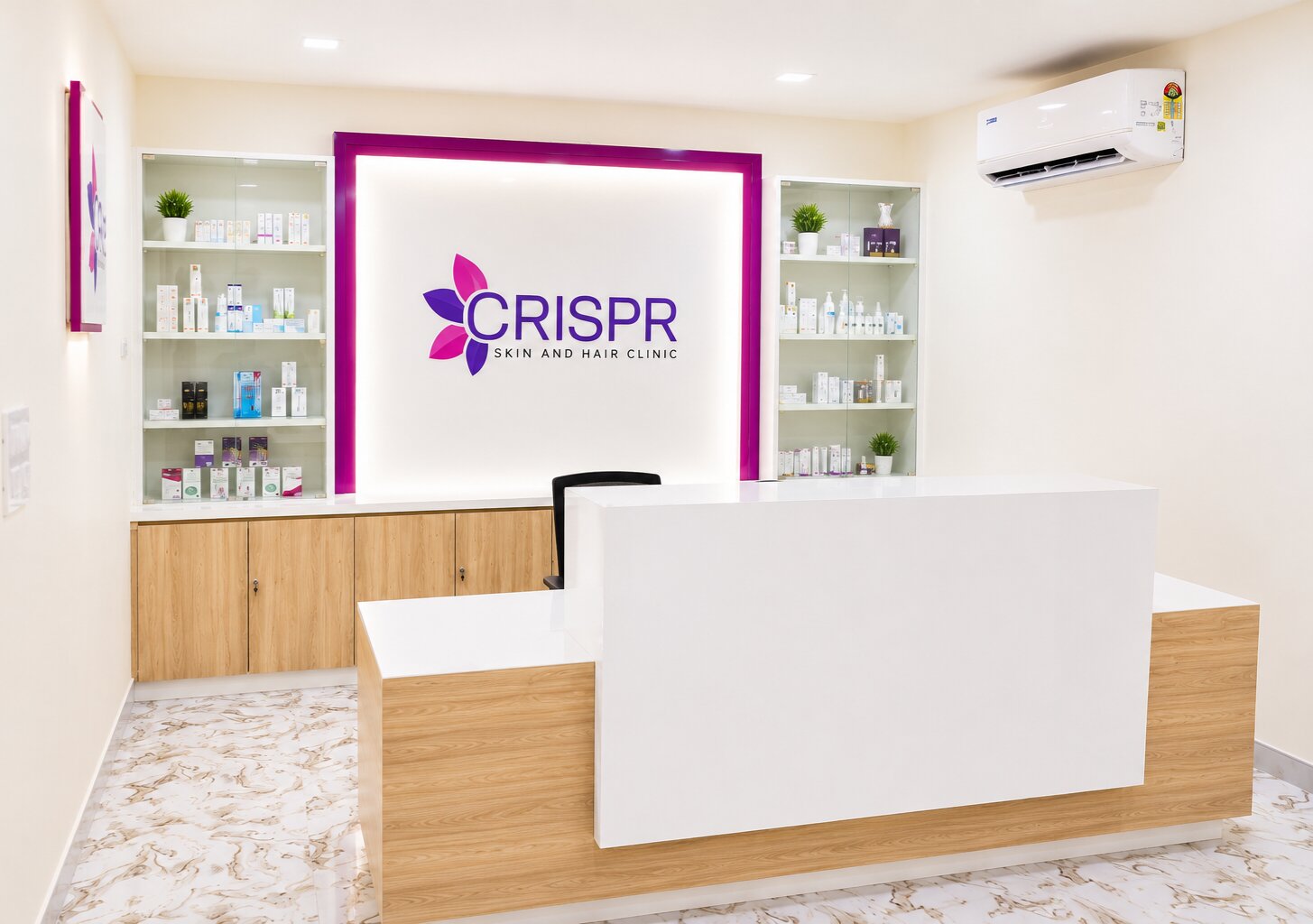
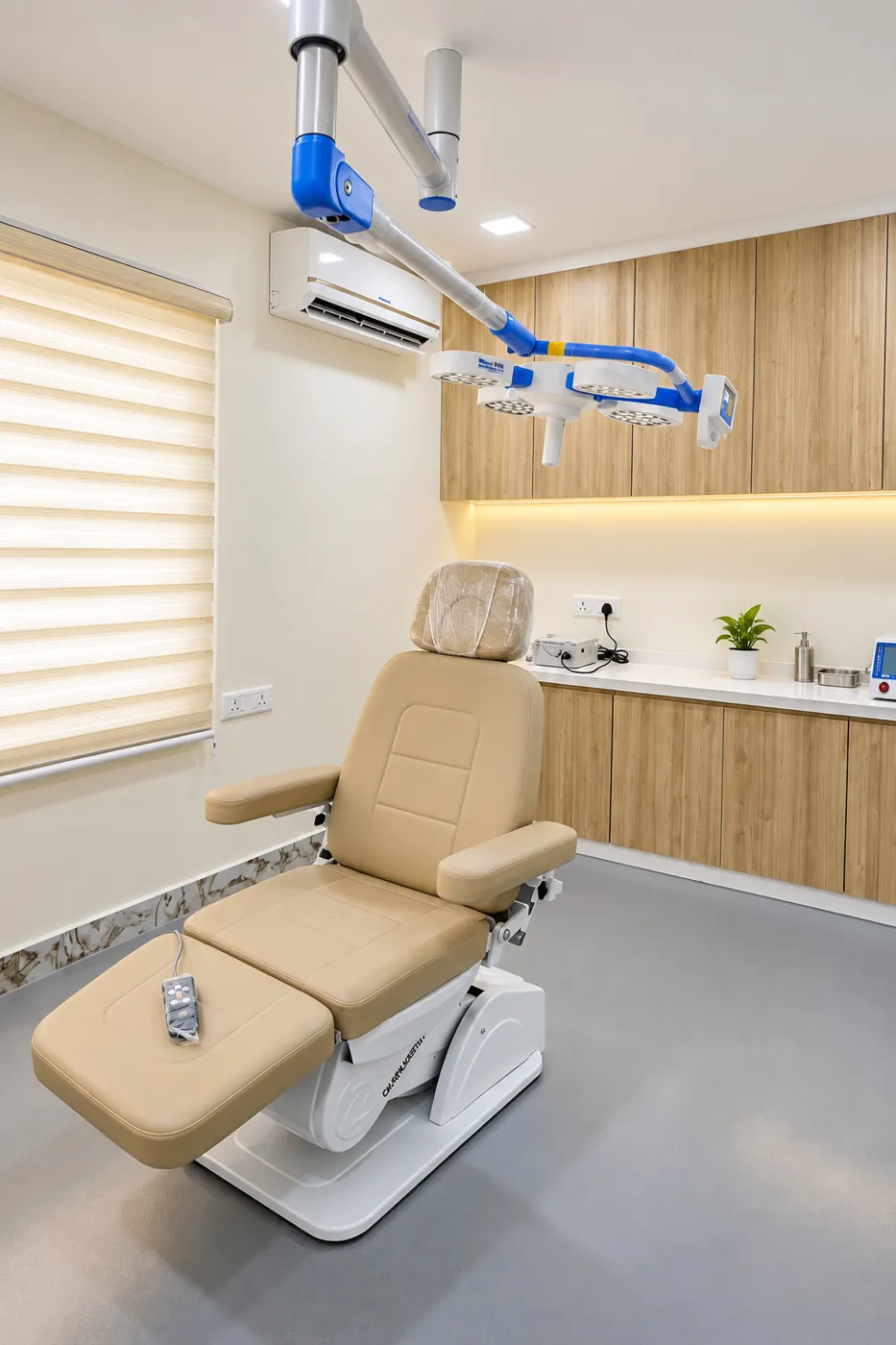
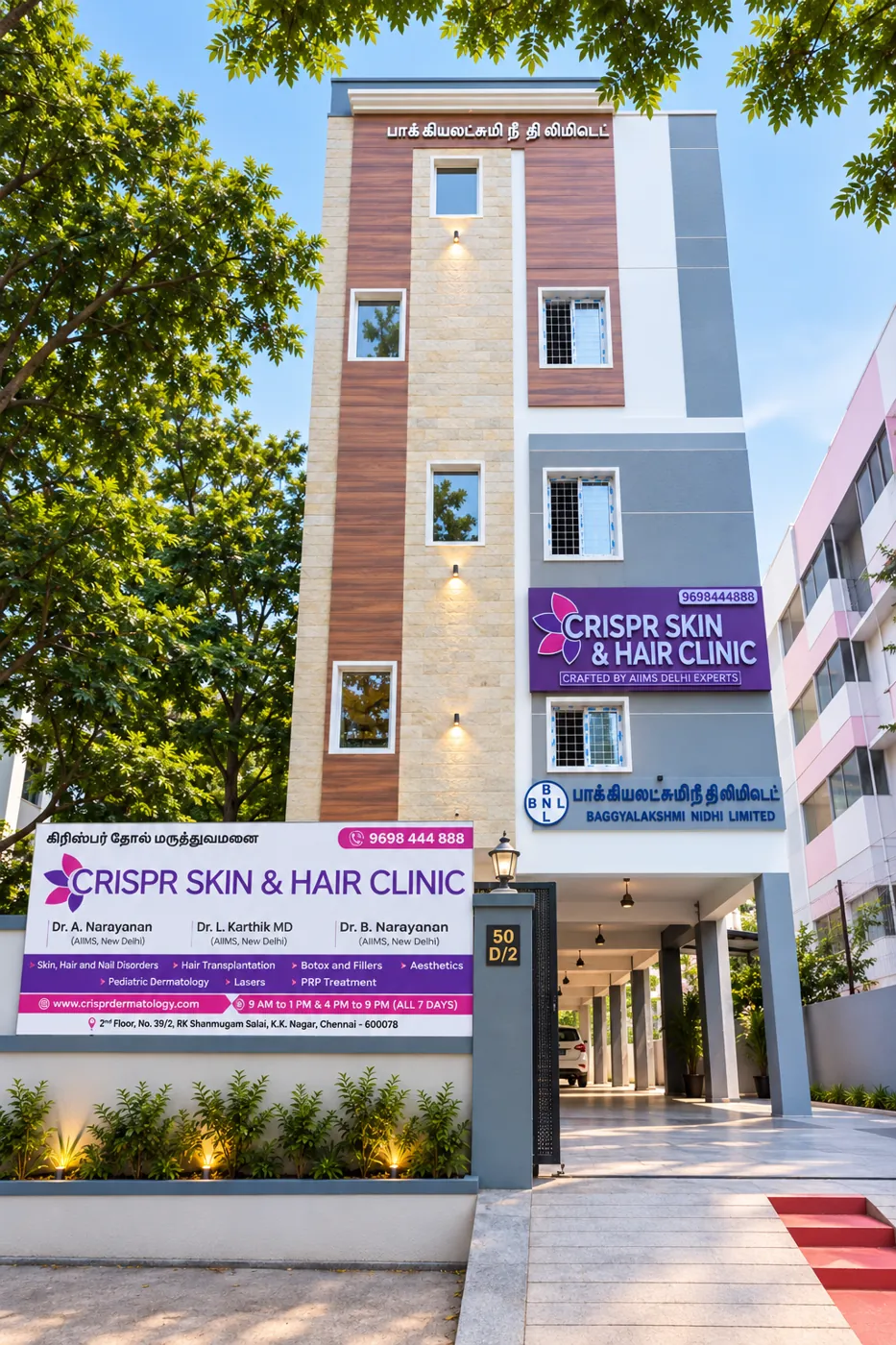
A look inside CRISPR Skin and Hair Clinic, KK Nagar.



Questions patients ask
Frequently Asked Questions
Does diet cause skin disease?
Which foods worsen acne?
Should I cut out foods if my child has eczema?
Is there a diet for psoriasis?
Do I need to avoid milk, fish or citrus fruits with vitiligo?
Does biotin help hair growth?
Does diet affect acne?
Is my child's eczema linked to a food allergy?
Is urticaria always caused by a food allergy?
Can diet or supplements treat vitiligo?
Book Your Appointment
Select an available time slot below to secure your consultation.
1Choose a slot
Next 7 days
Available slots
You're booked
What to bring
- Previous prescriptions, reports and photos of your condition