
Cracked Heels (Heel Fissures)
Dry, thick heel skin that splits and can become painful. Treatable, and preventable with the right routine.
Book a Skin EvaluationRough, thick heels that have started to split?
Early care prevents deep, painful cracks. Softening and moisturising daily is the core of treatment.
Deep cracks that bleed, or heels that are red and sore?
Deep fissures can get infected, and fungal infection or diabetes can be behind them. We examine and treat the cause.
What Is It?
Heel skin is thick and has few oil glands, so it dries easily. Pressure from standing spreads the heel and splits the dry skin. Treat it early, before cracks are deep.
Our guide on cracked heels and chapped lips in winter has a step-by-step routine. People with diabetes should have any heel crack looked at promptly.
Risk Factors
- Dry weather and air-conditioning
- Walking barefoot or in open sandals for long periods
- Prolonged standing and being overweight
- Fungal infection of the feet (athlete's foot)
- Diabetes and thyroid disease
Symptoms
- Thick, dry, yellowish skin around the heel edge
- Cracks that deepen, sting or bleed
- Pain when walking
Treatment
Softening and Moisturising
Regular use of a urea- or salicylic-acid-based cream, with gentle removal of thick skin.
Treat Infection
Antifungal or antibiotic treatment where infection is present.
Footwear Advice
Closed heels with cushioning, and avoiding long spells barefoot.
Related Articles
Related Conditions
Our Specialists



Visit Our Clinic
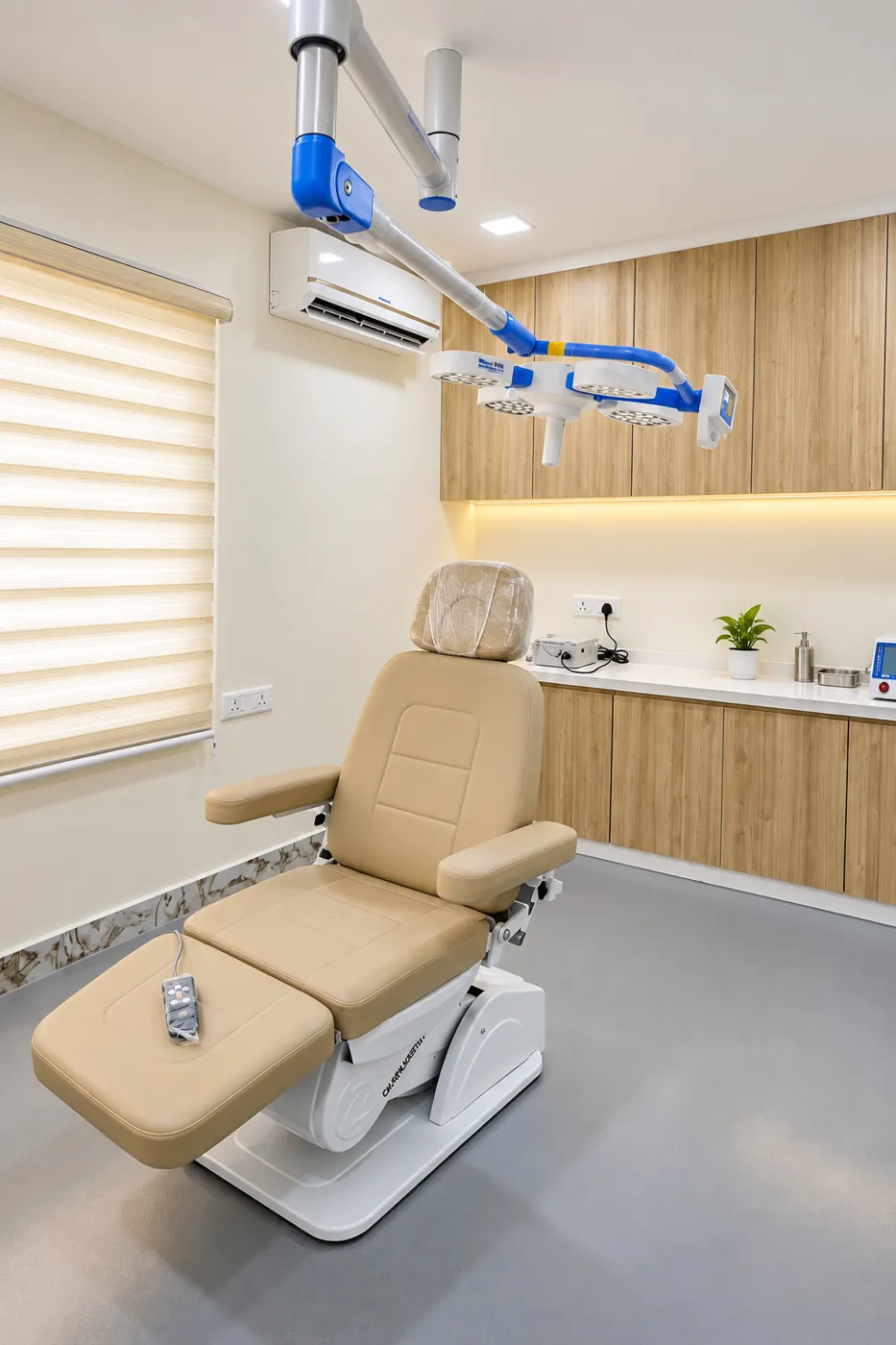
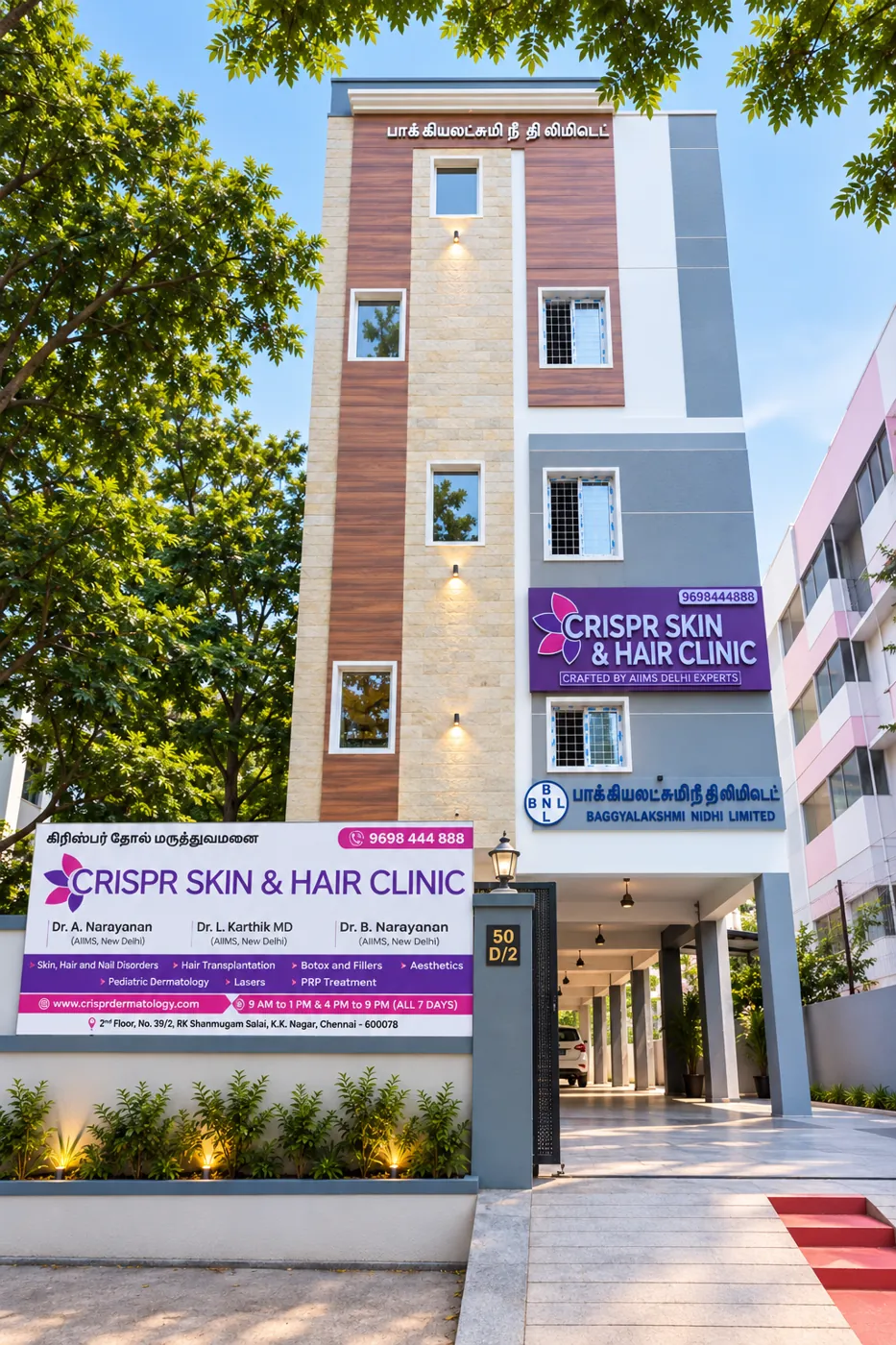
A look inside CRISPR Skin and Hair Clinic, KK Nagar.




Questions patients ask
Frequently Asked Questions
How can I prevent cracked heels?
Why does my skin get so dry in winter?
Book a Skin Evaluation
Schedule a comprehensive evaluation at CRISPR Skin and Hair Clinic. Choose your preferred time and secure your slot instantly.
Open Booking Calendar