
Stable vs. Active Vitiligo
Whether your vitiligo is spreading or settled decides which treatments make sense, and in what order.
Book a Vitiligo EvaluationNew patches appearing, or existing ones growing?
Recent change usually means active disease, where the first priority is to calm the immune process and prevent further loss.
Patches unchanged for many months?
Stable disease opens up more options, including treatments aimed at restoring pigment, and surgery for resistant patches.
What Is It?
Vitiligo does not behave the same way in every person, or even at every point in the same person’s life. Some patients have a patch that has not changed in years. Others notice new spots every few weeks. This difference, between active and stable disease, is one of the most important things we establish at the first visit, because it decides which treatments are sensible and in what order.
What Active Vitiligo Means
Active vitiligo means pigment loss is still progressing. The immune process is still destroying pigment cells, so new patches appear or existing ones enlarge. Typical features include recent appearance of new patches, patches that have grown over weeks to months, and the appearance of patches at sites of friction, pressure, injury, or sunburn, which is called the Koebner phenomenon. In some patients, borders appear blurred or have a slightly pale or inflamed margin. Some patients describe the vitiligo as “getting worse” in recent months.
What Stable Vitiligo Means
Stable vitiligo means the disease has settled. There are no new patches, existing patches are not enlarging, and no new patches appear at sites of injury. Borders tend to be sharply defined. Stability is usually judged over a sustained period, often six to twelve months, though experts define it slightly differently, which is why careful records matter.
Can It Switch?
Yes. Vitiligo can be active for a period, settle, and flare again later. Stress, illness, sunburn, skin injury, or other triggers have been linked to flares in some people, though in many there is no obvious cause. A person can also be stable at one site and active at another. Status is therefore reassessed over time rather than decided once.
How We Judge Stability
There is no single test. We combine several sources of information. We take a careful history of when patches appeared and how they have changed. We examine the borders for signs of activity and use a Wood’s lamp to see the true extent. Photographs at regular intervals are among the most reliable tools, since gradual change is hard to notice day to day, and we encourage patients to take their own photographs in the same lighting and position. We also look for features that suggest higher risk of spread.
Treatment When Vitiligo Is Active
The priority is to calm the immune process and limit further loss. Options include narrowband UVB phototherapy, topical treatment, and in rapidly progressing cases a short, supervised course of oral medicine to help stop spread, with careful monitoring because of possible side effects. Protecting skin from sunburn and injury is also part of the plan. Surgery is avoided, and other skin procedures on active areas should be approached with care.
Treatment When Vitiligo Is Stable
Once the disease is settled, attention shifts to restoring pigment. Topical creams and phototherapy can encourage repigmentation, often in combination. For patches that remain resistant, surgical repigmentation becomes a realistic option, since the transferred pigment cells are less likely to be attacked.
Why Surgery Needs Stability
Surgical techniques for vitiligo depend on moving healthy pigment cells into a patch. If the disease is still active, the immune system can attack the transferred cells, or new patches can appear at the donor site. Waiting for a sustained period of stability gives the best chance of a lasting result, and sometimes a small test graft is done first to check how your skin behaves.
What You Can Do
Protect your skin from sunburn and avoid repeated friction or injury over affected areas where possible. Do not have tattoos, aggressive peels, or other procedures on active areas without advice, because injury to the skin can provoke new patches in people with active disease. Take photographs of your patches every few weeks, in the same light, and bring them to your visits.
Follow-Up
Assessment of stability is not a one-time event. We review at intervals, and your plan changes as your status changes. A patient whose vitiligo was active at the first visit may be stable a year later, and then become a candidate for different options.
If you are unsure whether your vitiligo is spreading, an assessment gives a clear answer and a plan matched to it.
Risk Factors
- Recent new or enlarging patches
- Patches appearing at sites of friction, pressure, or injury (the Koebner phenomenon)
- Stress, illness, or sunburn preceding a flare, in some people
Symptoms
- Active: blurred or inflamed borders, new patches, or rapid enlargement
- Stable: sharply defined edges, no new change over many months
- Signs of repigmentation, such as small pigmented dots around hair follicles
Treatment
Active Disease
Phototherapy, topical therapy, and in rapidly progressing cases a short, supervised course of oral medicine to halt spread.
Stable Disease
Topical therapy and phototherapy to repigment, with surgical options for resistant patches.
Regular Review
Photographs and follow-up at intervals to track whether the status has changed.
Related Articles
Related Conditions
Our Specialists



Visit Our Clinic
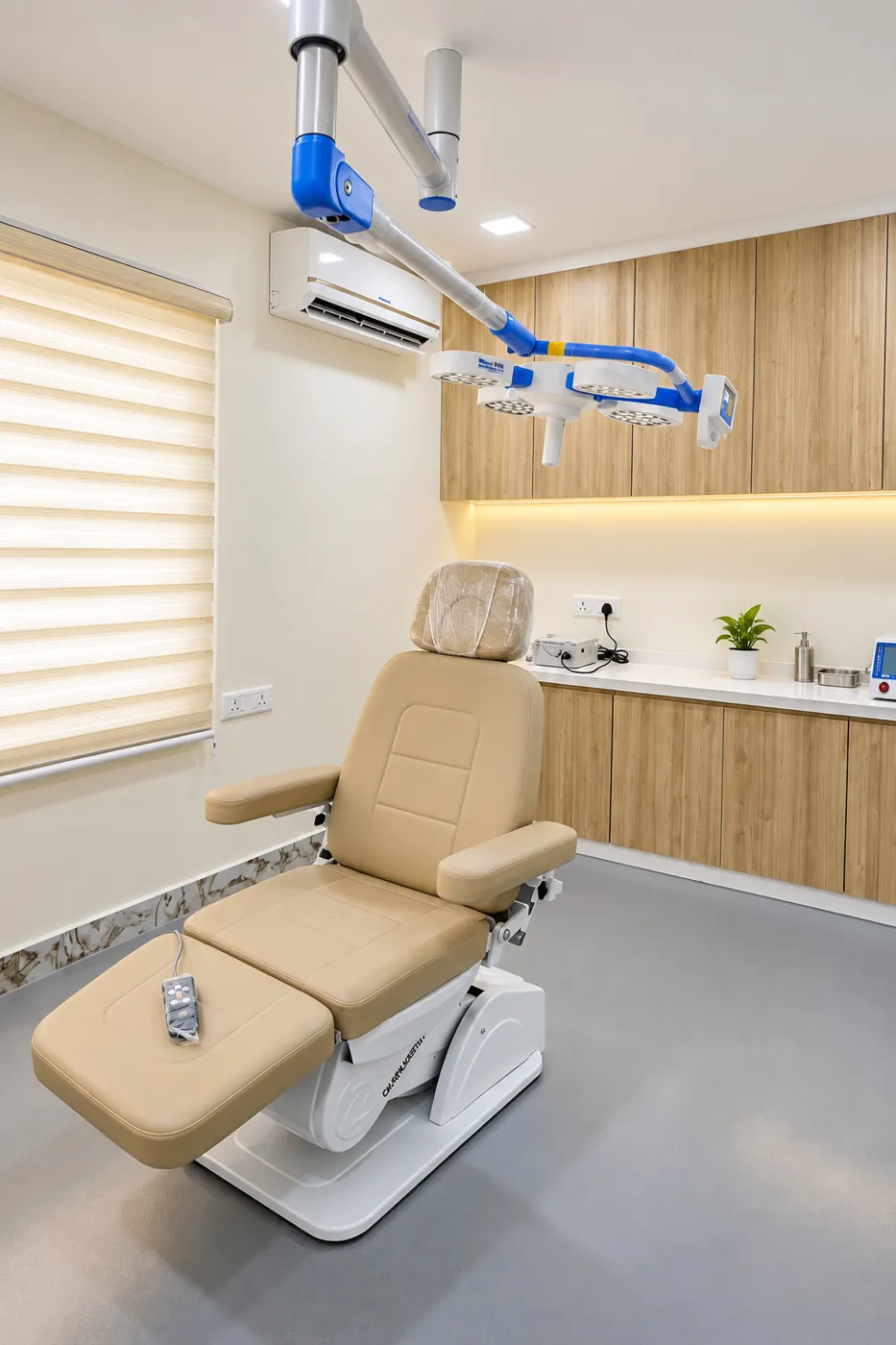
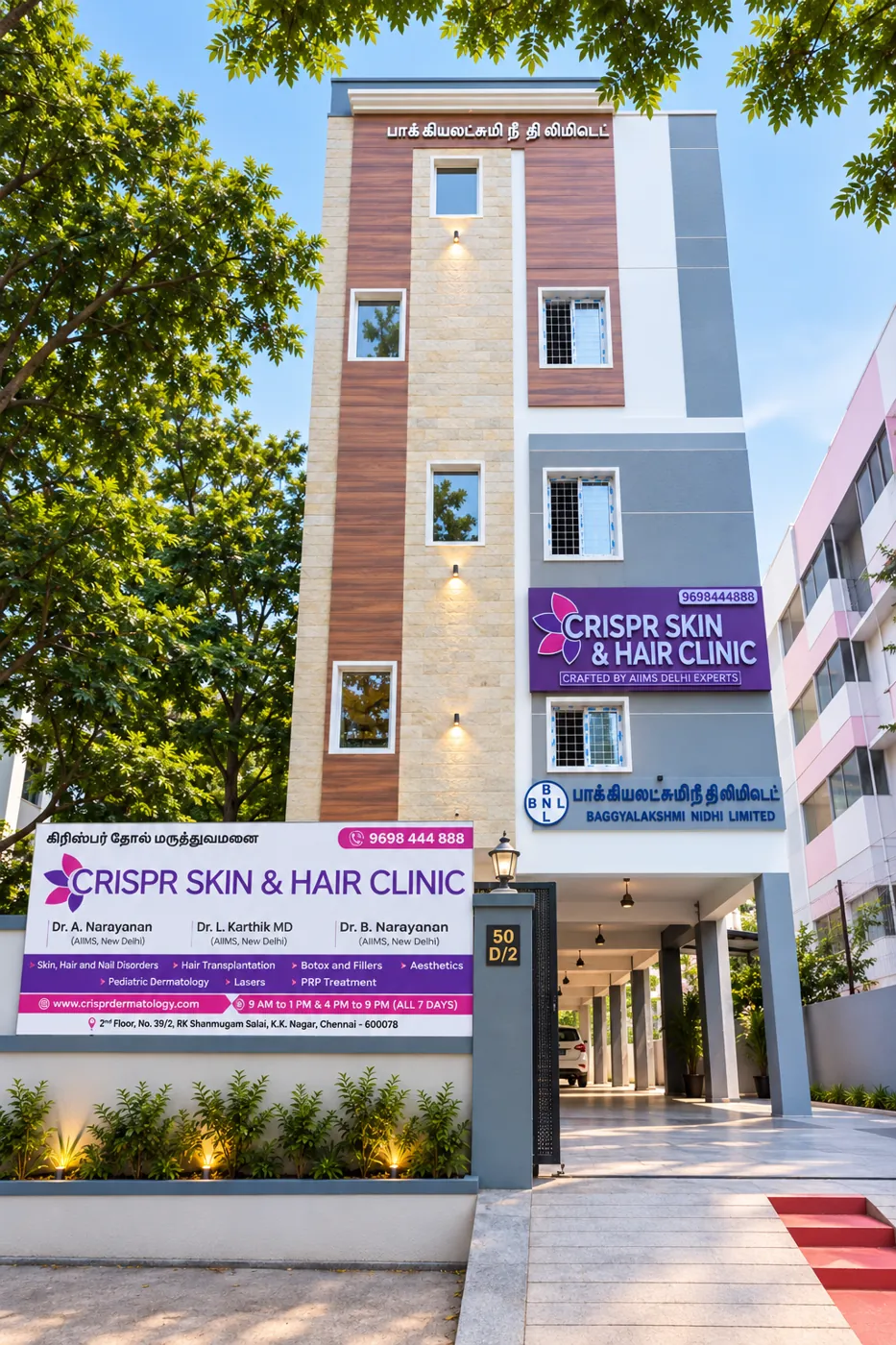
A look inside CRISPR Skin and Hair Clinic, KK Nagar.




Questions patients ask
Frequently Asked Questions
What does stable vitiligo mean, and how is it judged?
Will vitiligo spread to other parts of my body?
Are there tablets for fast-spreading vitiligo?
Should I protect vitiligo patches from the sun?
Book a Vitiligo Evaluation
Schedule a comprehensive evaluation at CRISPR Skin and Hair Clinic. Choose your preferred time and secure your slot instantly.
Open Booking Calendar