
Mole Removal
Removal chosen for the right reason and by the right method, with every removed mole sent for testing where advised.
- AIIMS-trained dermatologists
- Consultation first
- KK Nagar, Chennai
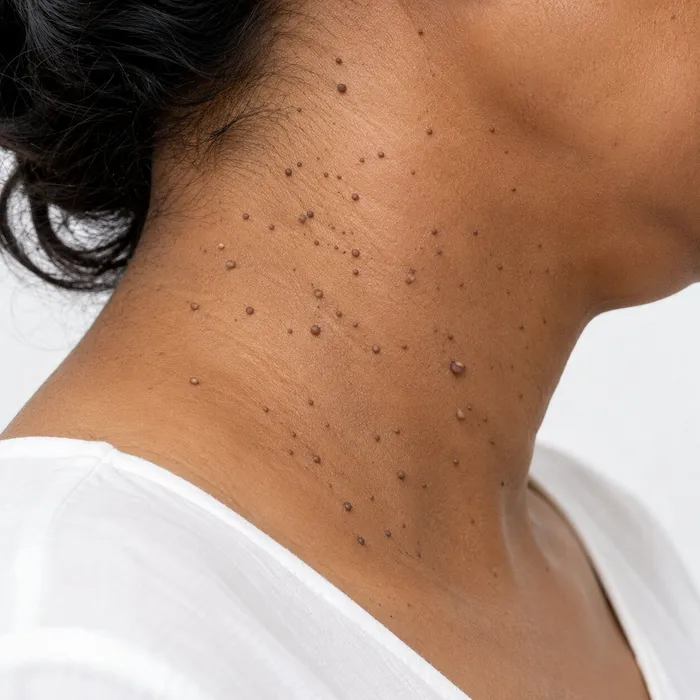
Evidence-based care
No unnecessary procedures
Want a mole removed for appearance or comfort?
Many moles are harmless, and removal is a personal choice. We examine the mole first, explain the options and the scar you can expect, and tell you honestly if it is better left alone.
A mole that has changed, bleeds, itches or looks different from the rest?
Any mole that changes in size, shape, colour or surface, or that bleeds without injury, should be examined by a dermatologist. Removal is then a medical decision, and the mole is sent for testing.
Most moles are harmless, and many people live with them for life. People ask for removal because a mole catches on clothes or a razor, because of appearance, or because a doctor has advised it. A good removal starts with the right question: should this mole come off, and if so, how?
Who Is Mole Removal For?
- Cosmetic reasons: a mole on the face, neck or another visible place that you would rather not have.
- Irritation: a mole that rubs on clothing, jewellery, a bra strap or a collar, or is cut while shaving.
- Medical advice: a mole that has changed, or that looks different from your other moles, should be examined and, where advised, removed and tested.
Removal is not advised for everyone. Some moles are best left alone, and some are better watched with photographs. We tell you which applies to yours.
How Mole Removal Is Done
All methods use local anaesthetic, so you feel a small pinch at the start and no pain afterwards. The method depends on the mole.
- Shave removal suits raised, clearly benign moles. It is quick and leaves no stitches, but a faint mark remains, and a small number of moles can regrow from deeper cells.
- Punch excision removes a small round plug including the root, closed with one or two stitches. It suits small moles that are flat or deeper.
- Elliptical excision takes the whole mole with a margin, closed with fine stitches along the natural lines of the skin. It is the standard for larger moles and for any mole where complete removal is wanted.
We do not use lasers or burning methods to remove a mole that we have not first examined, because they destroy the tissue and prevent testing.
Should a Removed Mole Be Tested?
We advise sending removed moles for testing wherever there is any doubt, and in every case where the mole was changing. Testing is the only way to be certain what a mole is. Read more in do removed moles need a biopsy?.
Recovery, Scarring and Aftercare
Most people return to normal activity the same day. Stitches, where used, come out after about a week on the face and two weeks on the body. Keep the wound clean, covered and dry for the first day or as advised, and protect it from the sun for several months, because new skin darkens easily. Every removal leaves some scar. Shave removals leave a flat, pale or slightly pink mark. Excisions leave a thin line that fades over six to twelve months. See mole removal scarring and aftercare. Scars that are thick, raised or darker than expected can be treated; see scar revision.
Risks
Infection, bleeding, a wider or raised scar, pigment change and regrowth of the mole are possible. Keloid-prone skin needs special care. We reduce these by choosing the right method, using clean technique, giving clear aftercare, and reviewing you after healing.
Why Not Remove Moles at a Beauty Clinic or at Home?
Home remedies, creams and “mole removers” can burn the skin, scar and hide a dangerous mole. A removed mole that is not tested may miss a problem. See why removing moles at home is risky.
What to Expect at Your Visit
We examine the mole and your other moles and skin, ask about changes, explain the options and the likely scar, and agree a plan. Many simple removals can be done at the same visit or soon after.
Related
Skin tag removal, warts, moles and skin tags overview, scar revision, and our page on moles (melanocytic naevi).
How We Evaluate
- 1
Examination of the mole with a dermatoscope (a lit magnifier) to look at its pattern
- 2
History of how long it has been there and whether it has changed
- 3
Decision on the removal method, based on depth, size and site
- 4
Testing (histopathology) of the removed tissue where advised
Treatment Options
Shave Removal
For raised moles, the mole is shaved level with the skin under local anaesthetic. It heals quickly with a flat mark.
Punch Excision
A small circular blade removes the mole in full, usually closed with a stitch, for small flat or deeper moles.
Elliptical Surgical Excision
A full-thickness removal with stitches along the skin lines, used for larger moles and where complete removal and testing matter most.
Testing of Removed Moles
Removed tissue is examined under the microscope, because the look of a mole cannot always tell the whole story.
Conditions We Manage
Related Articles
Article
Do Removed Moles Need Testing? Histopathology Explained
Article
Mole Removal Methods: Shave, Punch and Excision
Article
Mole Removal Scars and Aftercare
Article
Should a Mole Be Removed? Medical and Cosmetic Reasons
Article
Sun Safety and Skin Cancer: What Everyone Should Know
Article
The ABCDE Rule: When a Mole Is Worth Checking
Visit Our Clinic
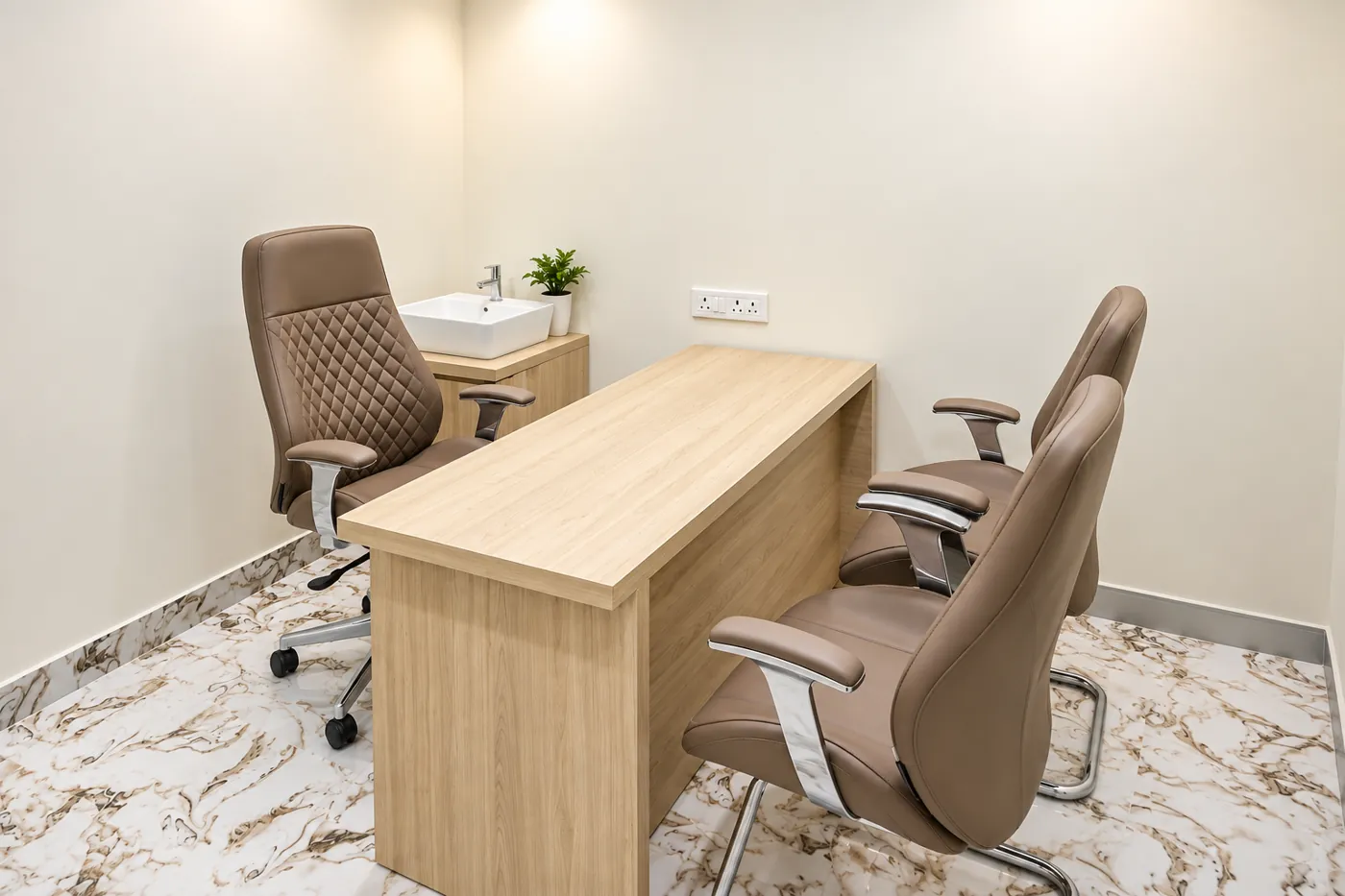
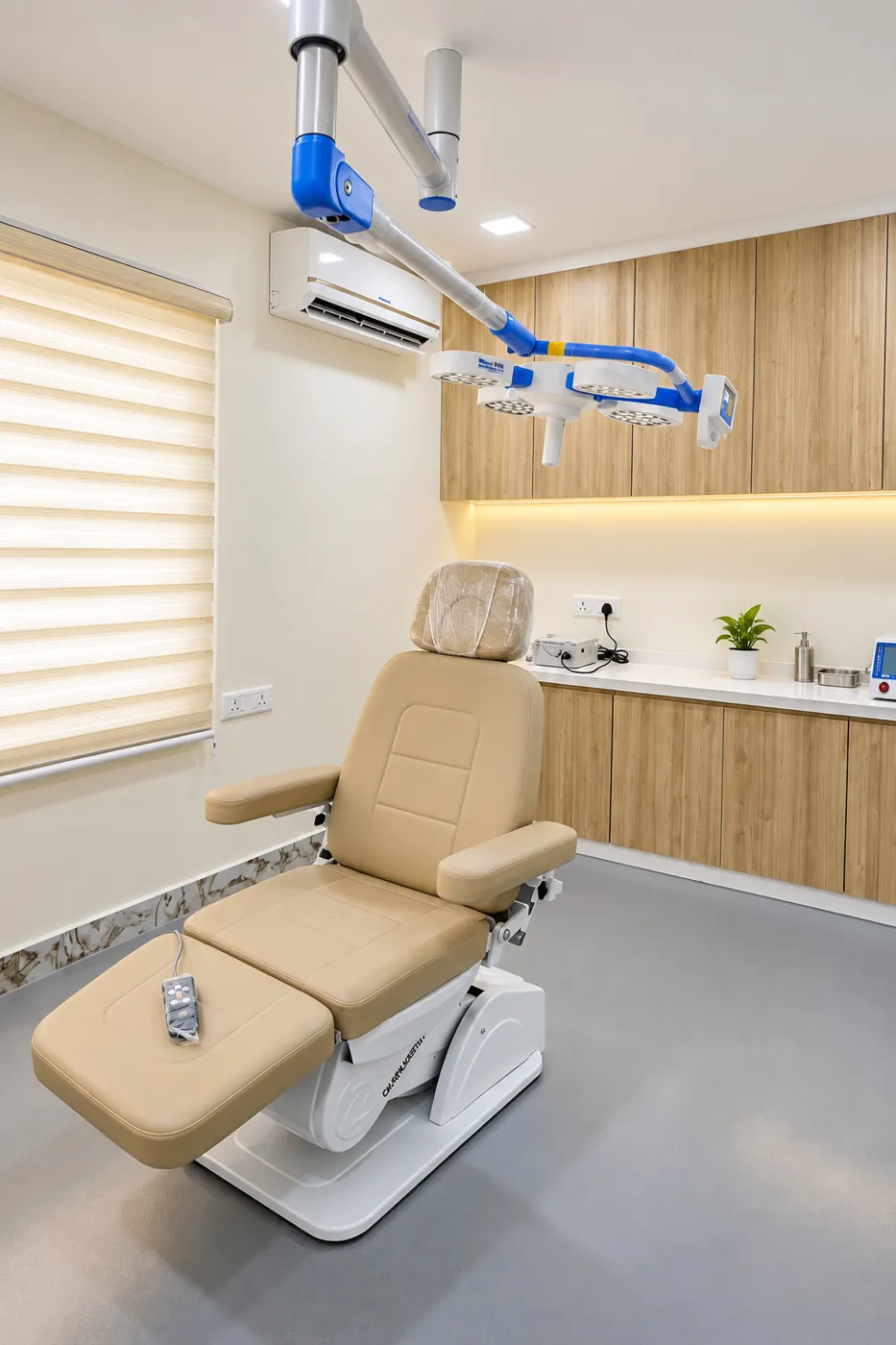
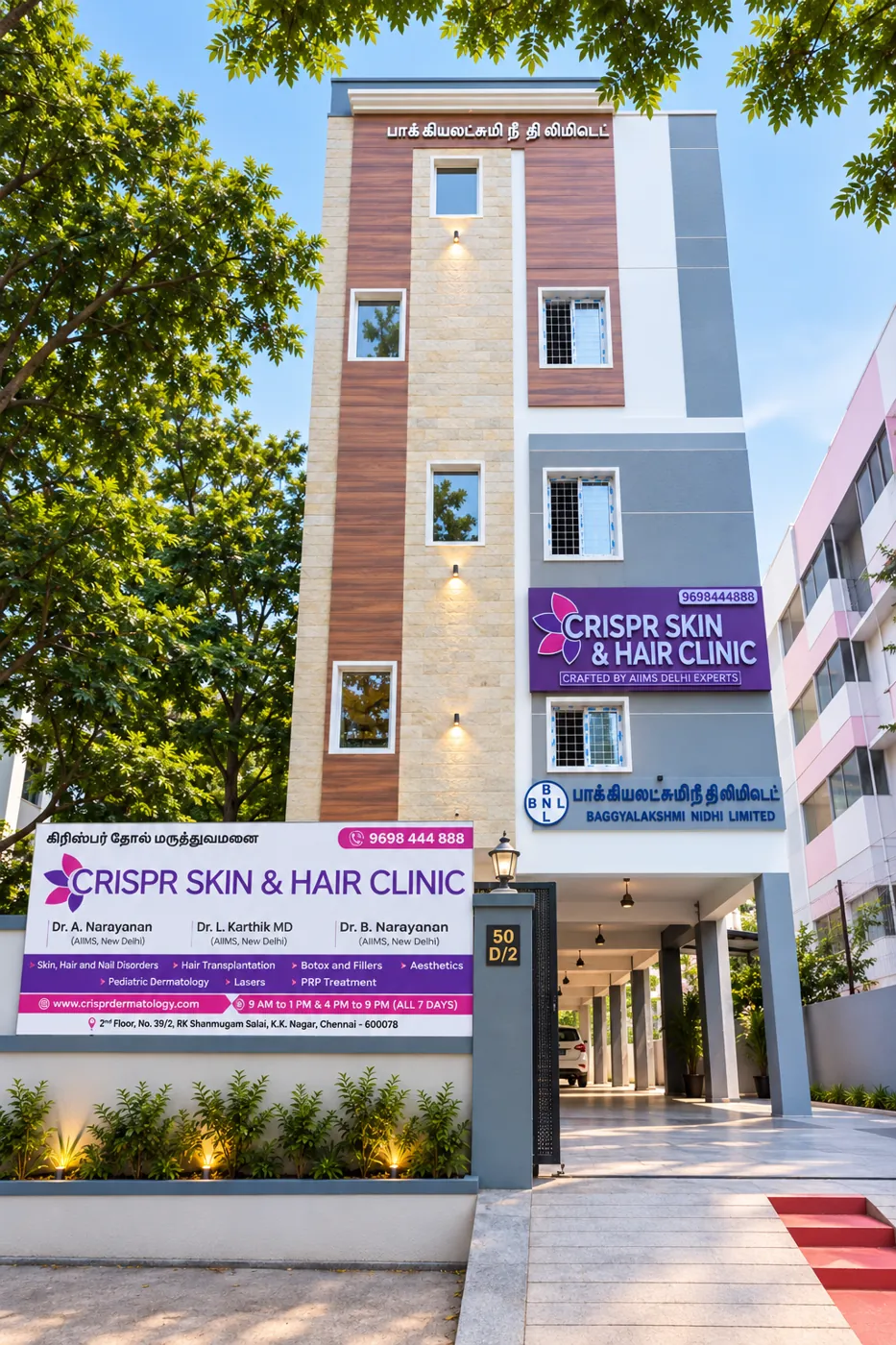
A look inside CRISPR Skin and Hair Clinic, KK Nagar.



Questions patients ask
Frequently Asked Questions
Does mole removal leave a scar?
When should I worry about a mole?
Does a removed mole need to be tested?
Can a mole grow back after removal?
Is mole removal painful?
How long does a mole removal take to heal?
Book Your Appointment
Select an available time slot below to secure your consultation.
1Choose a slot
Next 7 days
Available slots
You're booked
What to bring
- Previous prescriptions, reports and photos of your condition