
Common Skin Infections
Scabies, impetigo, folliculitis and boils are common, treatable and contagious. Treating the right problem the right way ends it quickly.
- AIIMS-trained dermatologists
- Consultation first
- KK Nagar, Chennai
Evidence-based care
No unnecessary procedures
Intense itching at night, crusted sores or recurring boils?
These have different causes and different treatments. A short examination, and sometimes a swab or scraping, identifies which, so treatment works the first time.
Treated already and it keeps coming back?
Repeated infection usually has a reason: untreated contacts, contaminated bedding, a wrong first diagnosis, steroid creams or an underlying condition such as diabetes. We look for it.
Skin infections are among the commonest reasons for a visit to a dermatologist, and also among the most mismanaged, because several different problems look alike and because steroid creams, often bought without a prescription, make most of them worse.
The Main Problems
- Scabies: a mite infestation causing intense itching, worse at night, and spread in families.
- Impetigo: a bacterial infection with honey-coloured crusts, common in children.
- Folliculitis and boils: infection of hair follicles, from small pimples to painful abscesses.
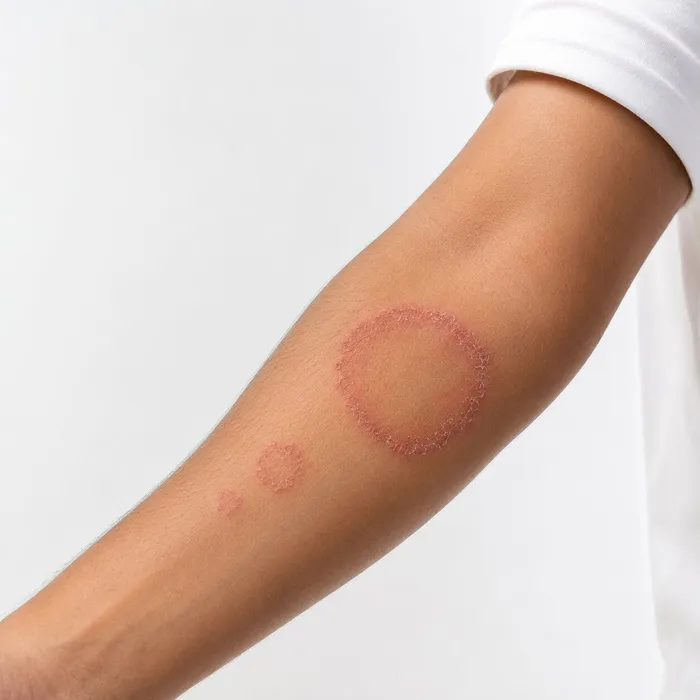
Ringworm and other fungal infections are covered on our fungal infection page.
Why a Correct Diagnosis Matters
Scabies is treated with a scabicide, impetigo with antibiotics, folliculitis according to whether it is bacterial, fungal or from shaving, and ringworm with antifungals. A steroid cream can hide scabies and make ringworm spread. Treating the wrong problem delays cure and fuels spread in the household.
How We Treat
- Scabies: a cream applied from the neck down, or tablets, repeated after a week, together with everyone in close contact. Itch continues for weeks after the mites are gone. See scabies treatment step by step.
- Impetigo: crusts softened and removed, an antibiotic ointment, and tablets for widespread disease. See impetigo in children.
- Folliculitis and boils: the cause is identified, and treatment is matched. See folliculitis and boils.
- Recurrent boils: a search for causes and a plan to reduce carriage. See recurrent boils and staph prevention.
Stopping Spread at Home
Scabies and impetigo spread through close contact, shared bedding and towels. Treat everyone at once, wash clothes and bedding hot, and keep affected children home as advised. See scabies in families and schools.
When to Seek Urgent Care
Fever, spreading redness, a swollen painful face, a boil on the face or spine, or a baby with a widespread rash needs prompt attention. People with diabetes or weak immunity should be seen early.
What to Expect at Your Visit
We examine the skin, ask about contacts and previous treatment, take a swab or scraping if needed, give a written plan for you and your household, and arrange a review.
Related
Fungal infections, skin allergy, pediatric dermatology and razor bumps.
How We Evaluate
- 1
Examination, with a dermatoscope (lit magnifier) where it helps, for scabies
- 2
Skin scraping or a swab for culture where the cause is unclear or treatment has failed
- 3
Review of household contacts, hygiene, medicines such as steroid creams, and conditions such as diabetes and anaemia
Treatment Options
Scabies Treatment
Whole-body treatment with a scabicide cream or tablets, taken together with all close contacts, plus advice on washing clothes and bedding.
Impetigo Treatment
Gentle crust removal and an antibiotic ointment, or tablets for widespread infection, with guidance on school and spread.
Folliculitis and Boil Treatment
Antibacterial washes and creams, antifungal treatment where yeast is involved, and drainage of boils by a doctor when needed.
Prevention of Recurrence
Looking for causes of repeated infection, treating contacts and carriage, and practical hygiene advice.
Conditions We Manage
Related Articles
Article
Folliculitis and Boils: Causes and Treatment
Article
Impetigo in Children: Treatment, School and Preventing Spread
Article
Razor Bumps: Causes, Shaving Tips and Treatment
Article
Recurrent Boils: Why They Return and Prevention
Article
Scabies in Families and Schools: Preventing Reinfection
Article
Scabies Treatment and Why the Itch Lasts
Visit Our Clinic
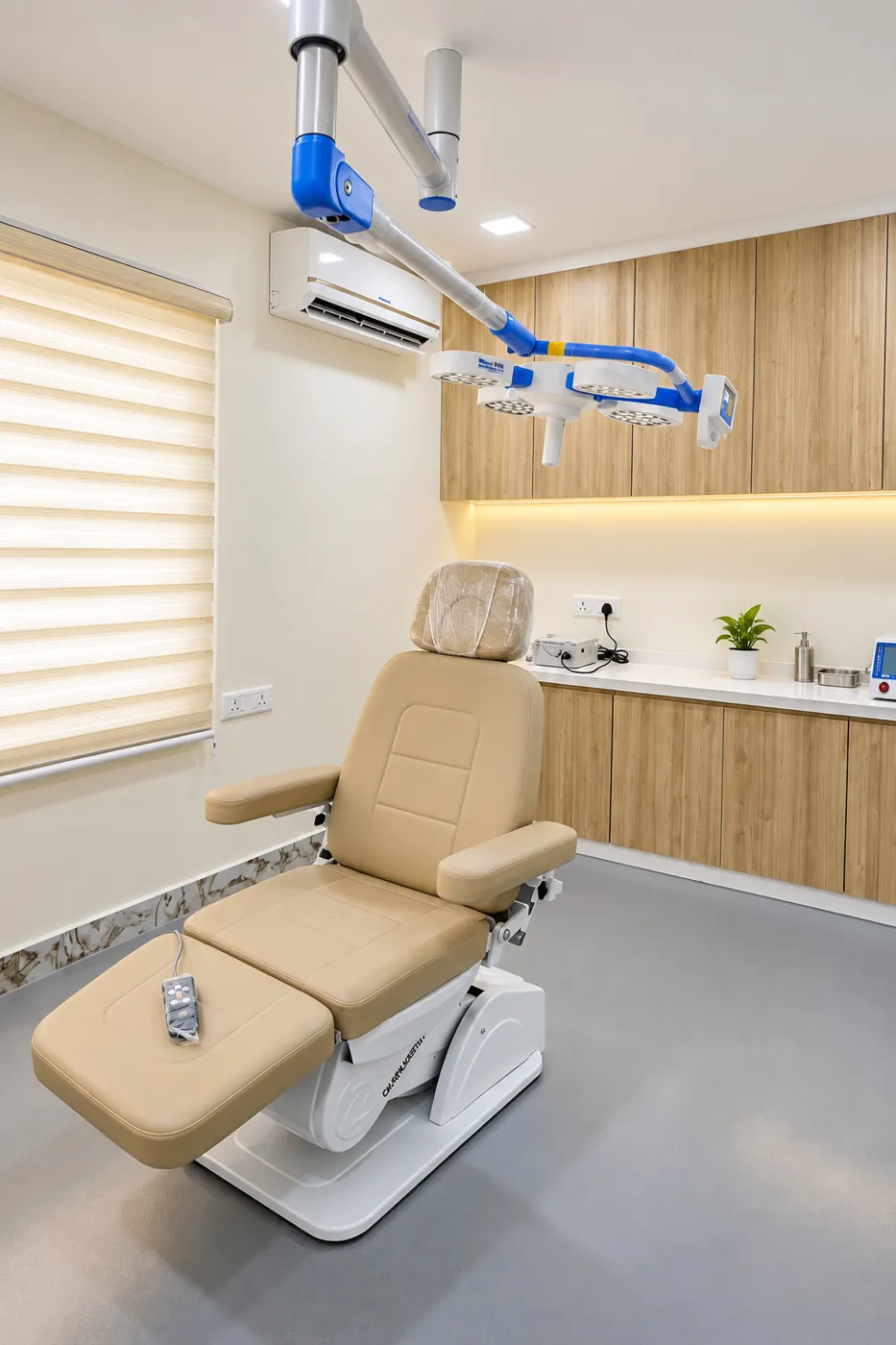
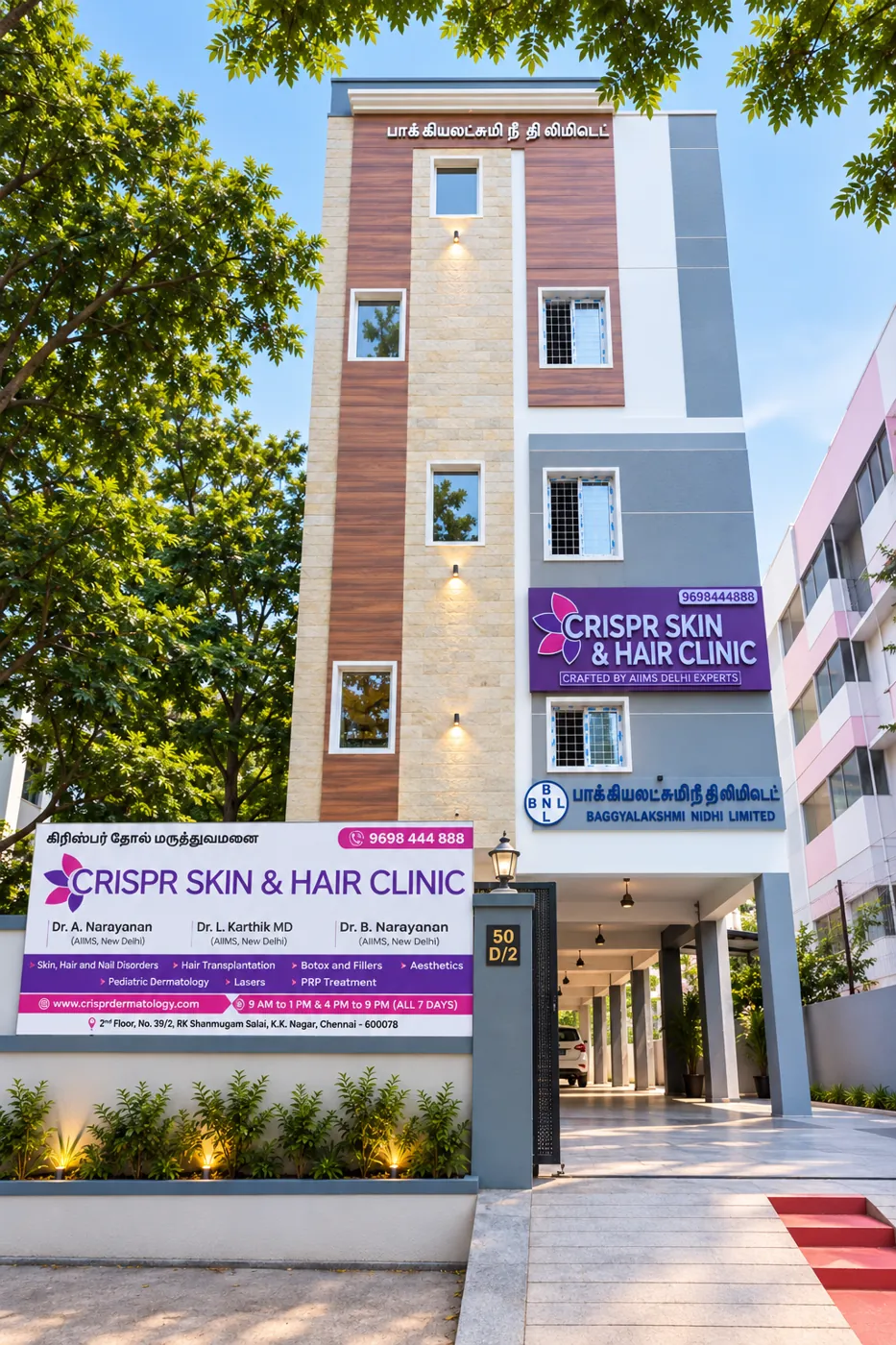
A look inside CRISPR Skin and Hair Clinic, KK Nagar.




Questions patients ask
Frequently Asked Questions
Why do I still itch after scabies treatment?
Should the whole family be treated for scabies?
How should clothes and bedding be washed after scabies?
When can a child with impetigo go back to school?
What causes razor bumps and how can I prevent them?
Should I squeeze a boil?
Book Your Appointment
Select an available time slot below to secure your consultation.
1Choose a slot
Next 7 days
Available slots
You're booked
What to bring
- Previous prescriptions, reports and photos of your condition