Acanthosis Nigricans
Dark, thick, velvety patches in the neck and skin folds. They are not dirt, and they are often the first visible sign of insulin resistance.
Book a Skin and Metabolic EvaluationA darker, rougher neck or armpits that will not scrub off?
This is very commonly acanthosis nigricans, not poor hygiene. A quick check of blood sugar and insulin resistance is worth doing.
Sudden, widespread patches, or weight loss without trying?
Rarely, acanthosis nigricans of rapid onset points to an internal problem. This needs prompt evaluation.
What Is It?
Acanthosis nigricans (AN) is a change in the skin, not a disease of its own. High insulin levels stimulate skin cells to multiply and thicken, which produces the dark, velvety look. It is therefore a visible marker of insulin resistance, which may come years before diabetes.
Many patients scrub their necks for years, and it does not help, because the colour is within the skin, not on it. Read what the dark patches mean, which tests we recommend, and how it is treated. For young people, see acanthosis nigricans in children and teens.
When to Be Concerned
Patches that appear suddenly, spread quickly, involve the lips, palms or mouth, or come with unexplained weight loss should be examined promptly.
Related
AN often coexists with PCOS and with hormonal acne. See our hormonal skin and hair service.
Risk Factors
- Excess weight, especially around the waist
- Insulin resistance, prediabetes and type 2 diabetes
- Polycystic ovary syndrome (PCOS)
- Family history of diabetes
- Certain medicines, including some hormones and high-dose niacin
- Thyroid and other hormonal conditions
Symptoms
- Dark brown or grey-brown thickened skin on the back and sides of the neck
- Velvety texture, sometimes with small skin tags
- Similar patches in the armpits, groin, knuckles and under the breasts
- Mild itching or odour in the folds in some people
Treatment
Find and Treat the Cause
Checking blood sugar, HbA1c, lipids, thyroid and, where relevant, PCOS markers. Improving insulin sensitivity is the most effective treatment.
Lifestyle Changes
Gradual weight loss, regular activity and a balanced diet often lighten the patches over months.
Topical Treatment
Retinoid, urea, salicylic or lactic acid creams to soften and lighten thickened skin.
Procedures
Chemical peels or laser treatment for stubborn patches, once the cause is being addressed.
Related Articles
Related Conditions
Our Specialists



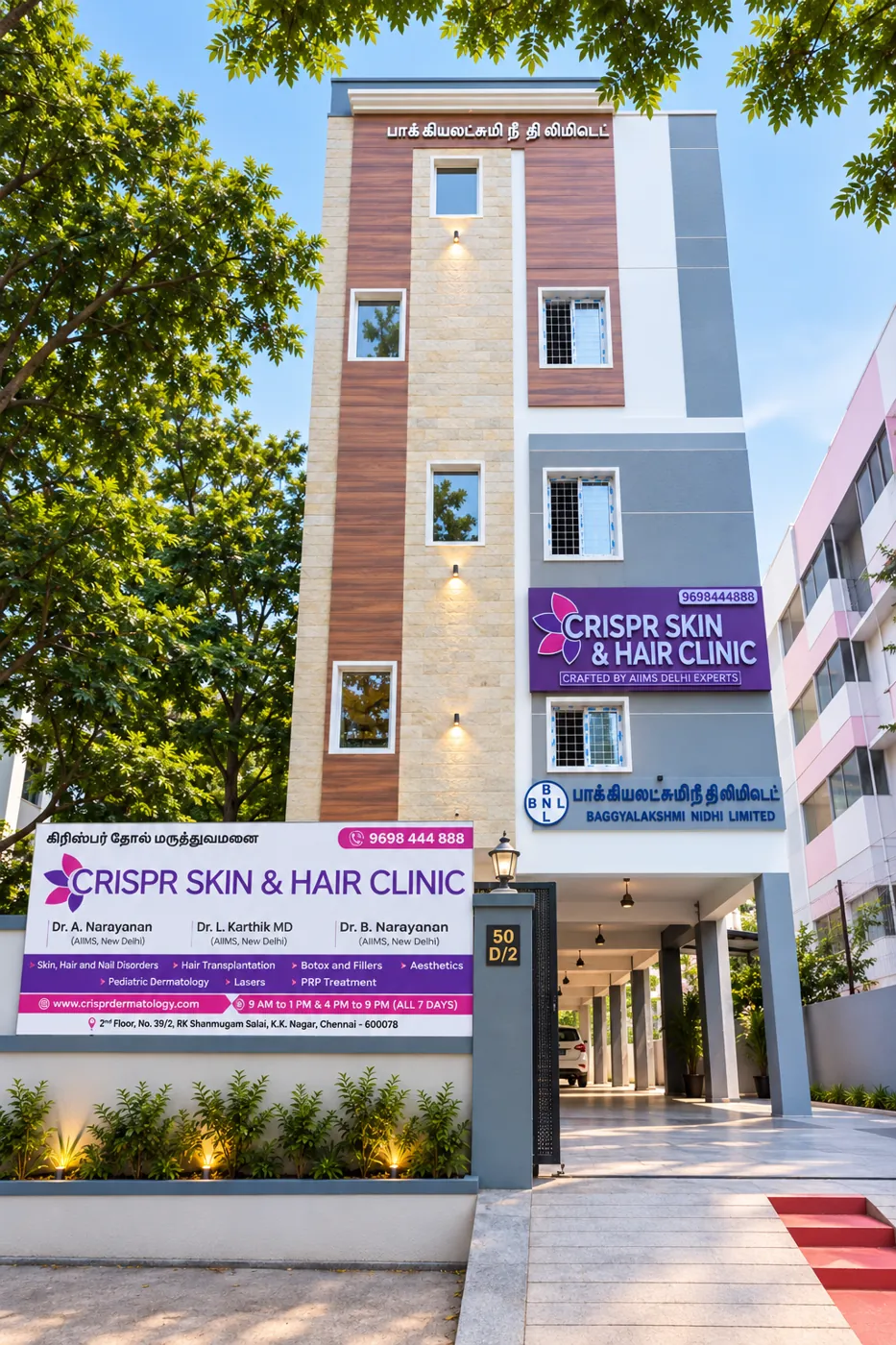
Visit Our Clinic
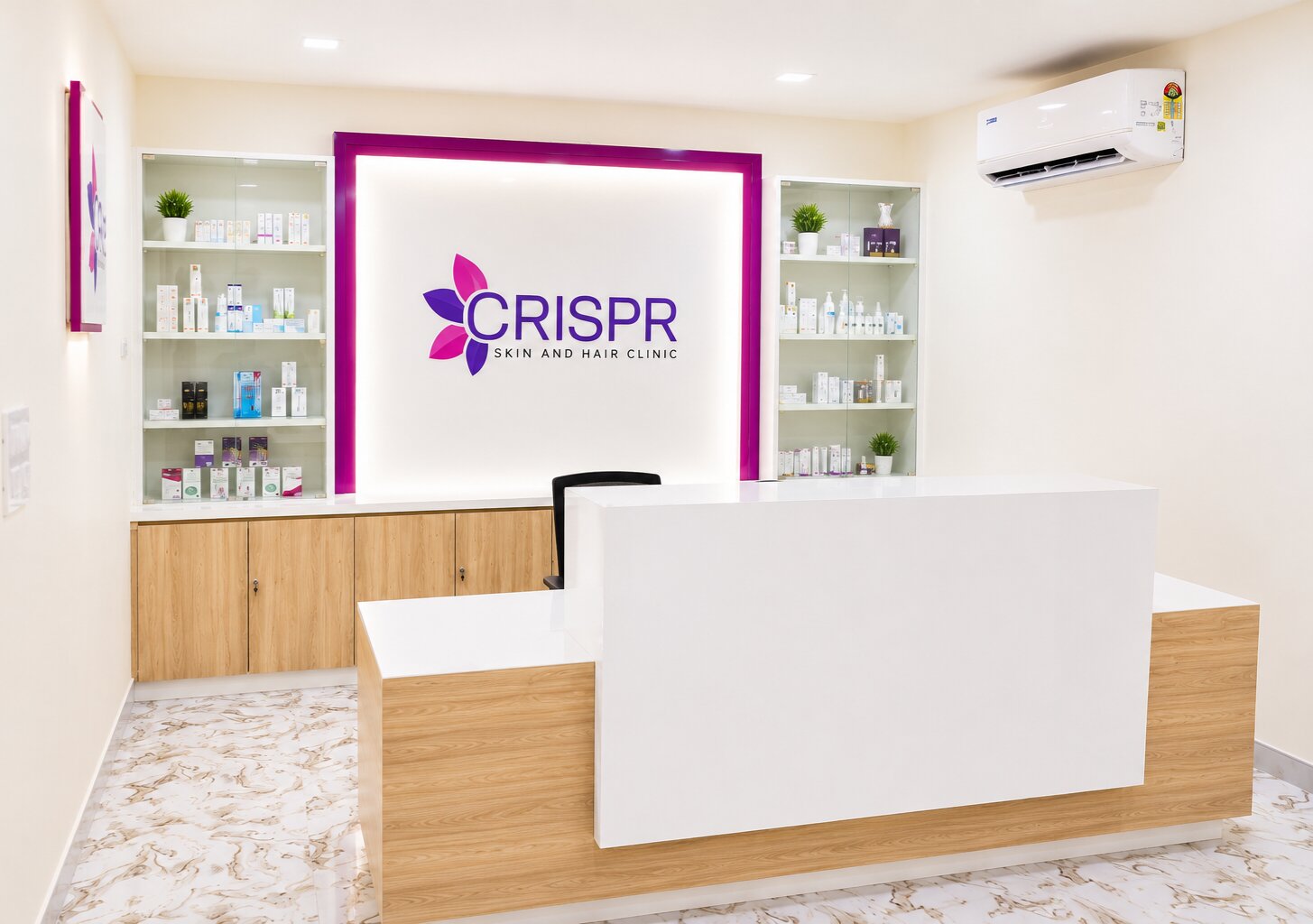
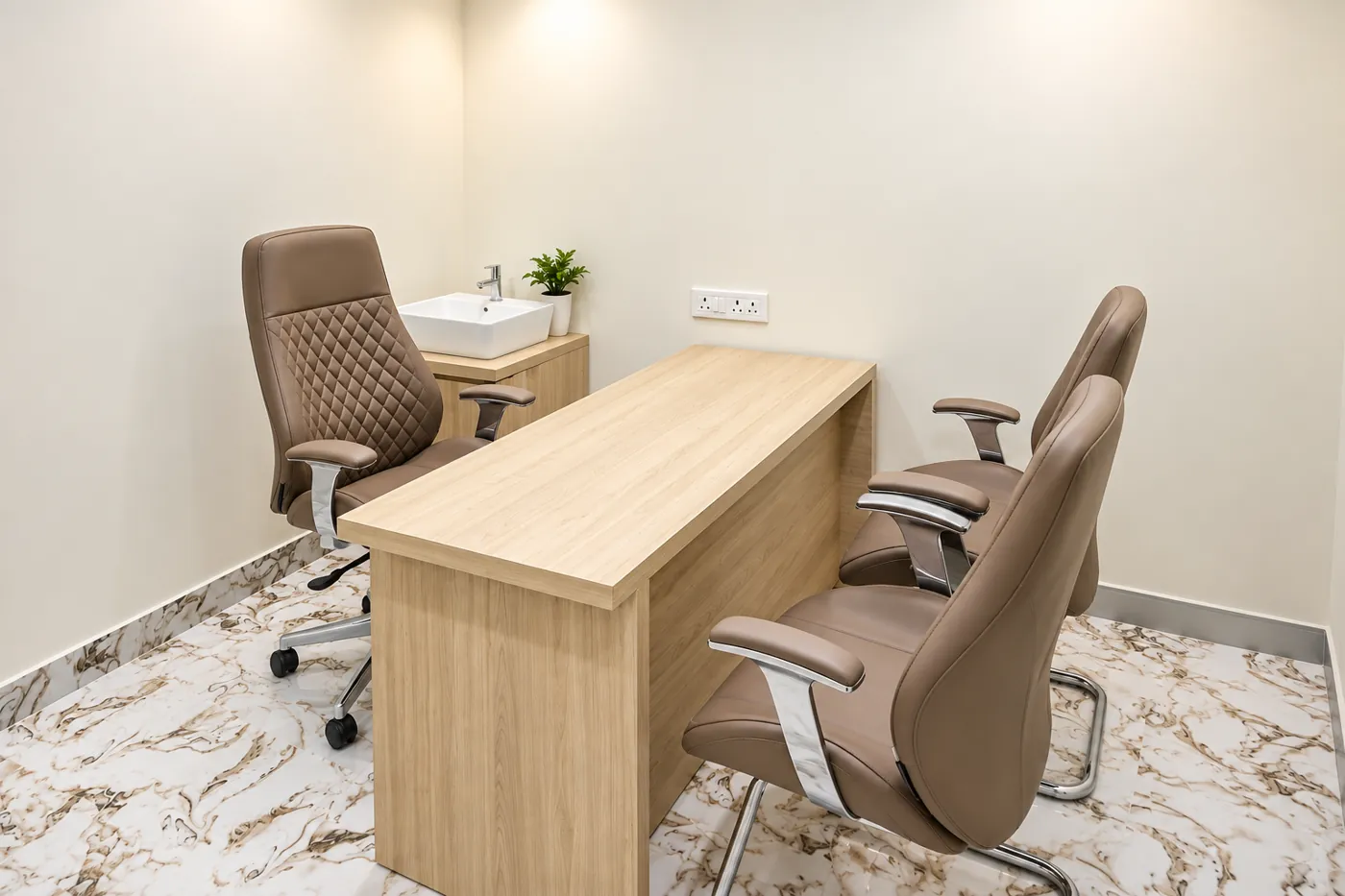
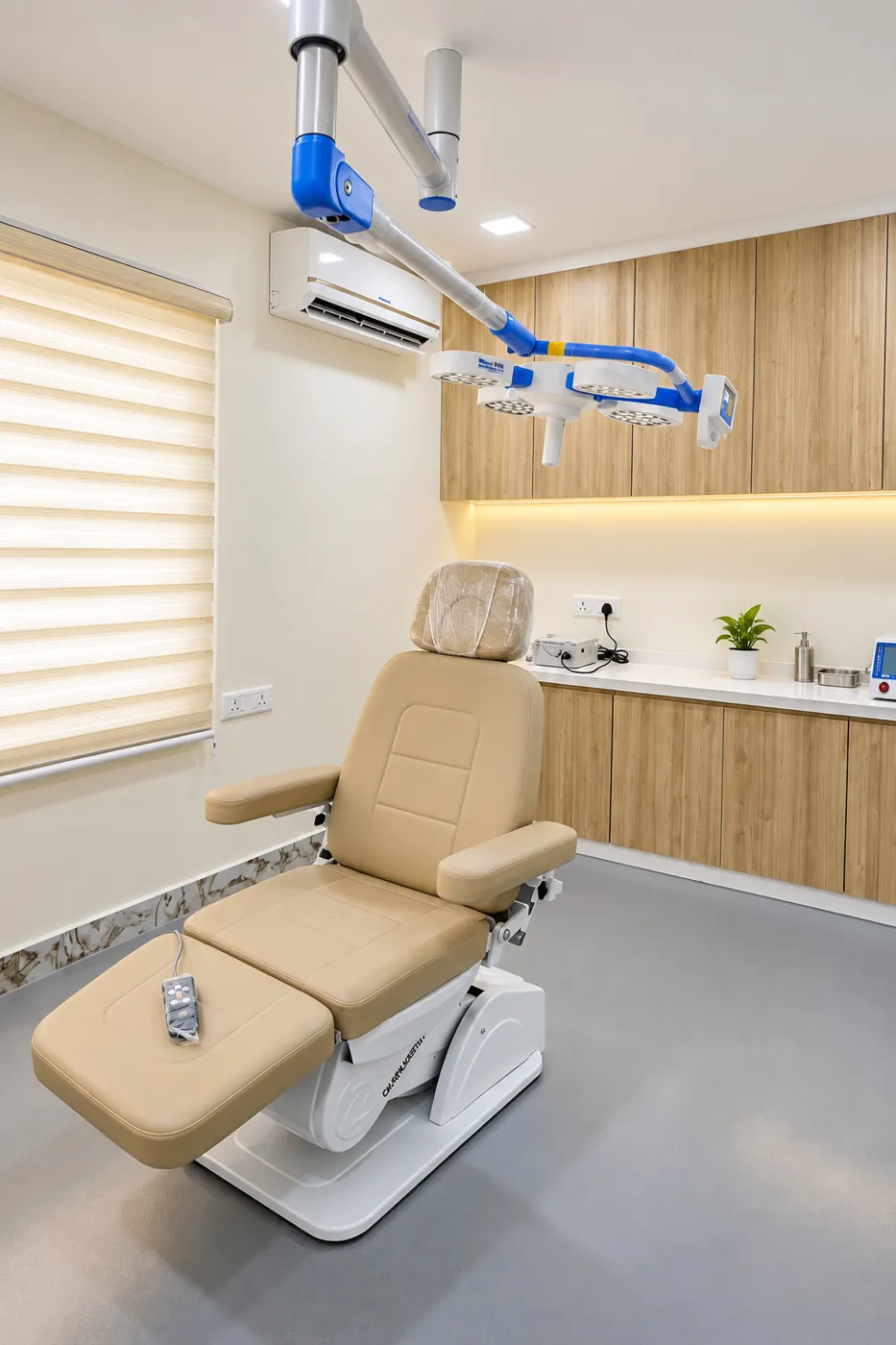
A look inside CRISPR Skin and Hair Clinic, KK Nagar.


Questions patients ask
Frequently Asked Questions
Is a dark neck caused by poor hygiene?
Can acanthosis nigricans go away?
Which tests are done for acanthosis nigricans?
What skin signs suggest PCOS?
Book a Skin and Metabolic Evaluation
Schedule a comprehensive evaluation at CRISPR Skin and Hair Clinic. Choose your preferred time and secure your slot instantly.
Open Booking Calendar