
Rosacea
Persistent facial redness, flushing and acne-like bumps that do not respond to acne treatment. Accurate diagnosis changes the outcome.
- AIIMS-trained dermatologists
- Consultation first
- KK Nagar, Chennai
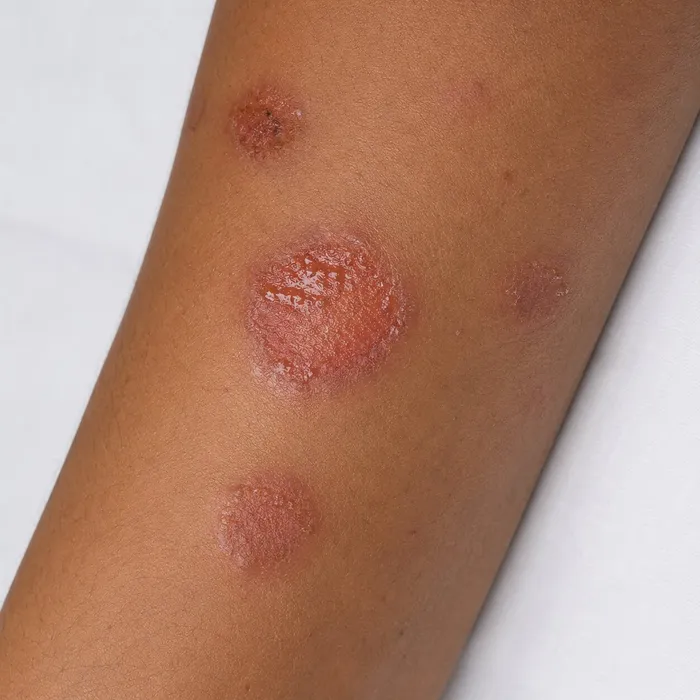
Evidence-based care
No unnecessary procedures
Face flushes easily, or stays red across the cheeks and nose?
That pattern is typical of rosacea. It is often mistaken for acne or sensitive skin, and it responds to different treatment.
Redness, bumps or burning that acne creams made worse?
Acne treatments and steroid creams can worsen rosacea. An examination sorts out what you have and what to stop.
Rosacea is a long-lasting inflammatory condition of facial skin. It affects adults, usually after thirty, and is often missed or confused with acne, sensitive skin or an allergy. In brown skin the redness can be harder to see, and the diagnosis is often delayed.
What Rosacea Looks Like
- Flushing: the face turns red and hot easily, with heat, spicy food, alcohol, exercise or emotion.
- Persistent redness over the cheeks, nose, chin and forehead.
- Small visible blood vessels.
- Red bumps and pimples, without the blackheads of acne.
- Burning, stinging and sensitivity to products.
- Eye symptoms: dry, gritty, red or watery eyes, and swollen eyelids. See rosacea and the eyes.
- Thickened skin of the nose in advanced, long-standing disease, more often in men.
What Triggers It
Sun, heat, spicy food, hot drinks, alcohol, stress, exercise, cold wind and some skin products. Triggers differ between people, so a short diary helps. See rosacea triggers and skin care.
Treatment
Rosacea cannot be cured, but it can be controlled.
- Gentle routine and strict sun protection.
- Topical treatment: azelaic acid, metronidazole and ivermectin for bumps, and brimonidine or oxymetazoline gels for redness.
- Tablets: low-dose doxycycline or similar for moderate to severe or eye disease.
- Light and laser for persistent redness and visible vessels.
- Isotretinoin in low doses for severe, resistant disease, under close supervision.
See rosacea treatment options.
What to Avoid
Steroid creams on the face, which can cause and worsen rosacea, harsh scrubs and many acne products, and known triggers.
Is It Acne?
The two can look alike, and can coexist, but treatments differ. See rosacea or acne?.
What to Expect
Most people improve in six to twelve weeks of treatment, and then control it with a maintenance routine. Flares can return, and early treatment keeps them mild.
What to Expect at Your Visit
We examine your skin and eyes, review products and triggers, and set a plan with a realistic timeline.
Related
Acne, dandruff and seborrhoeic dermatitis, skin allergy and damaged skin barrier.
How We Evaluate
- 1
Examination of the face for the typical pattern, including visible small vessels and the absence of blackheads
- 2
Review of triggers, products used and any steroid creams used on the face
- 3
Eye symptoms review, since rosacea can affect the eyes
Treatment Options
Gentle Skin Care and Sun Protection
A short routine of mild cleanser, plain moisturiser and mineral sunscreen, with the triggers identified.
Topical Treatments
Azelaic acid, metronidazole or ivermectin creams for bumps, and redness-reducing gels for flushing, chosen for you.
Tablets for Inflammation
Low-dose doxycycline or similar for moderate rosacea with many bumps or eye involvement.
Light and Laser Treatment
Vascular laser or light for persistent redness and visible vessels, in selected patients.
Conditions We Manage
Related Articles
Visit Our Clinic
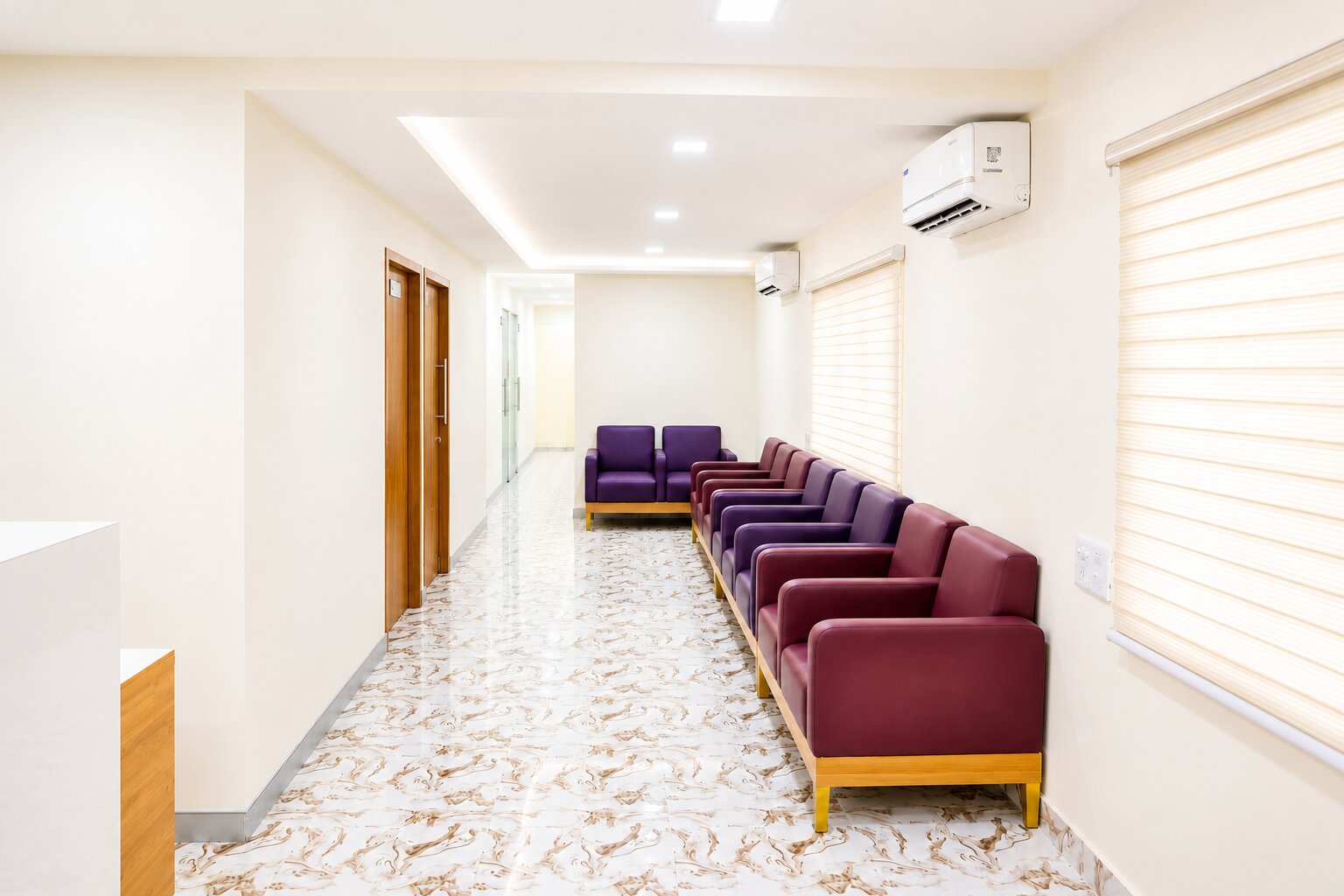
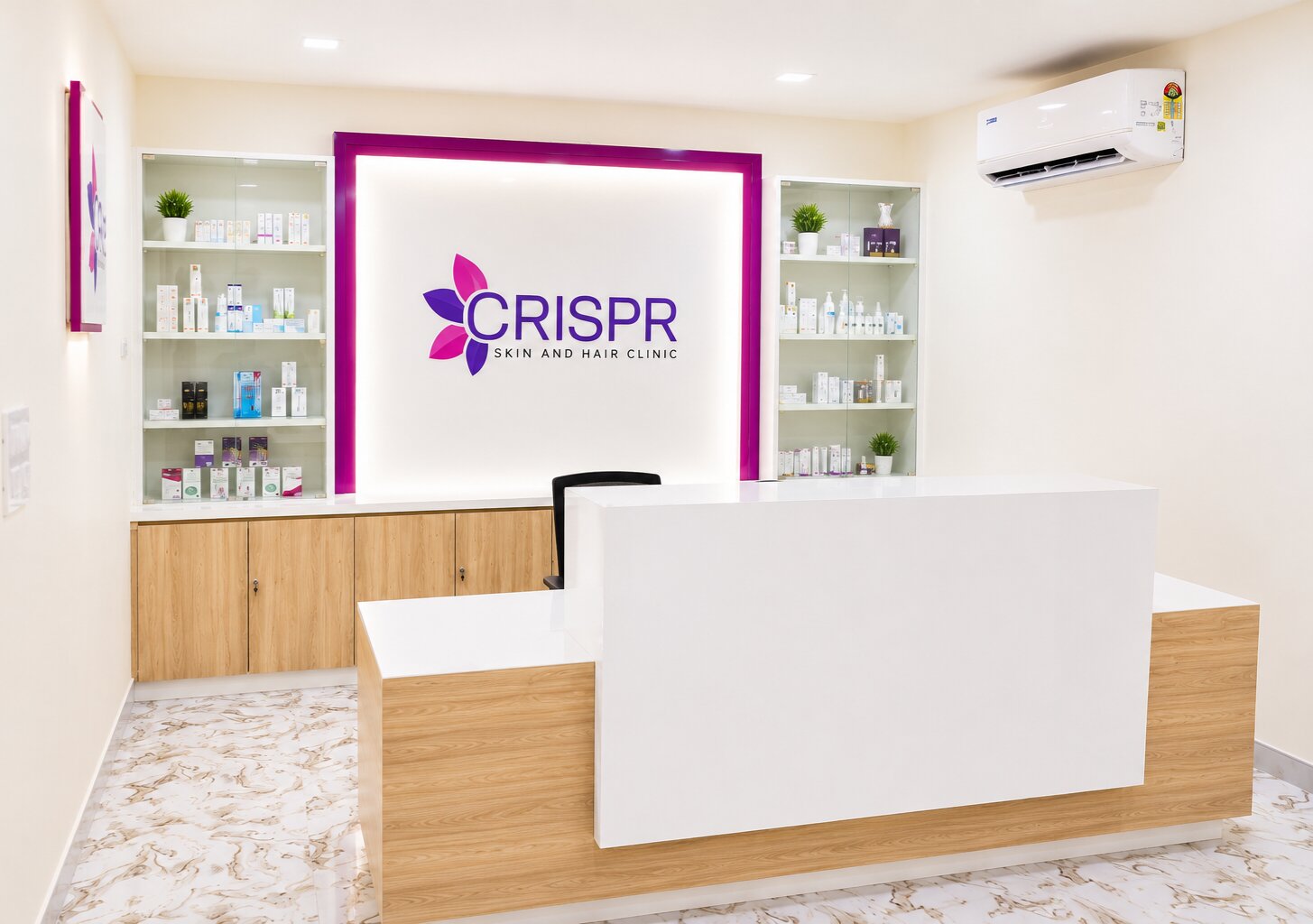
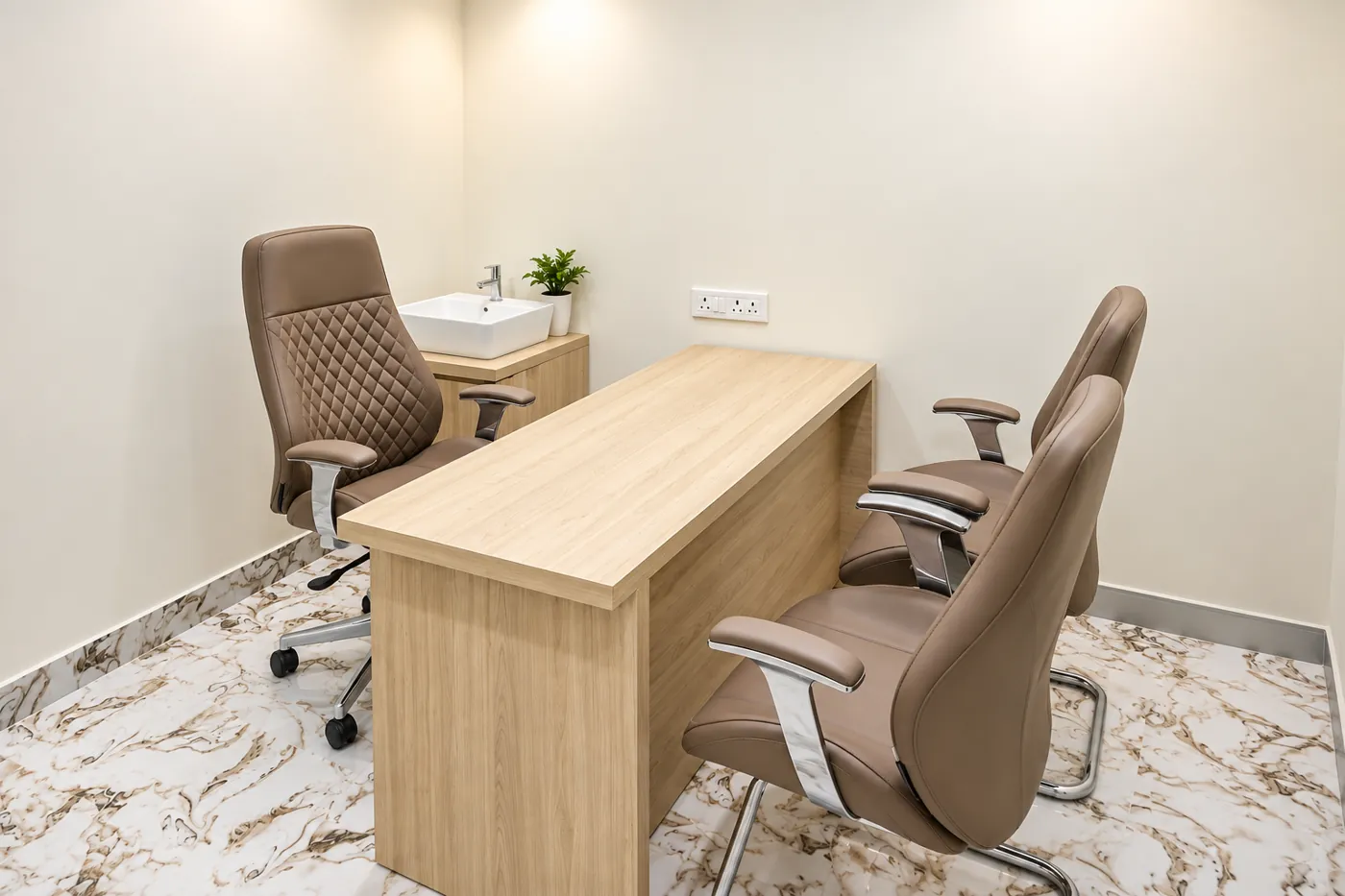
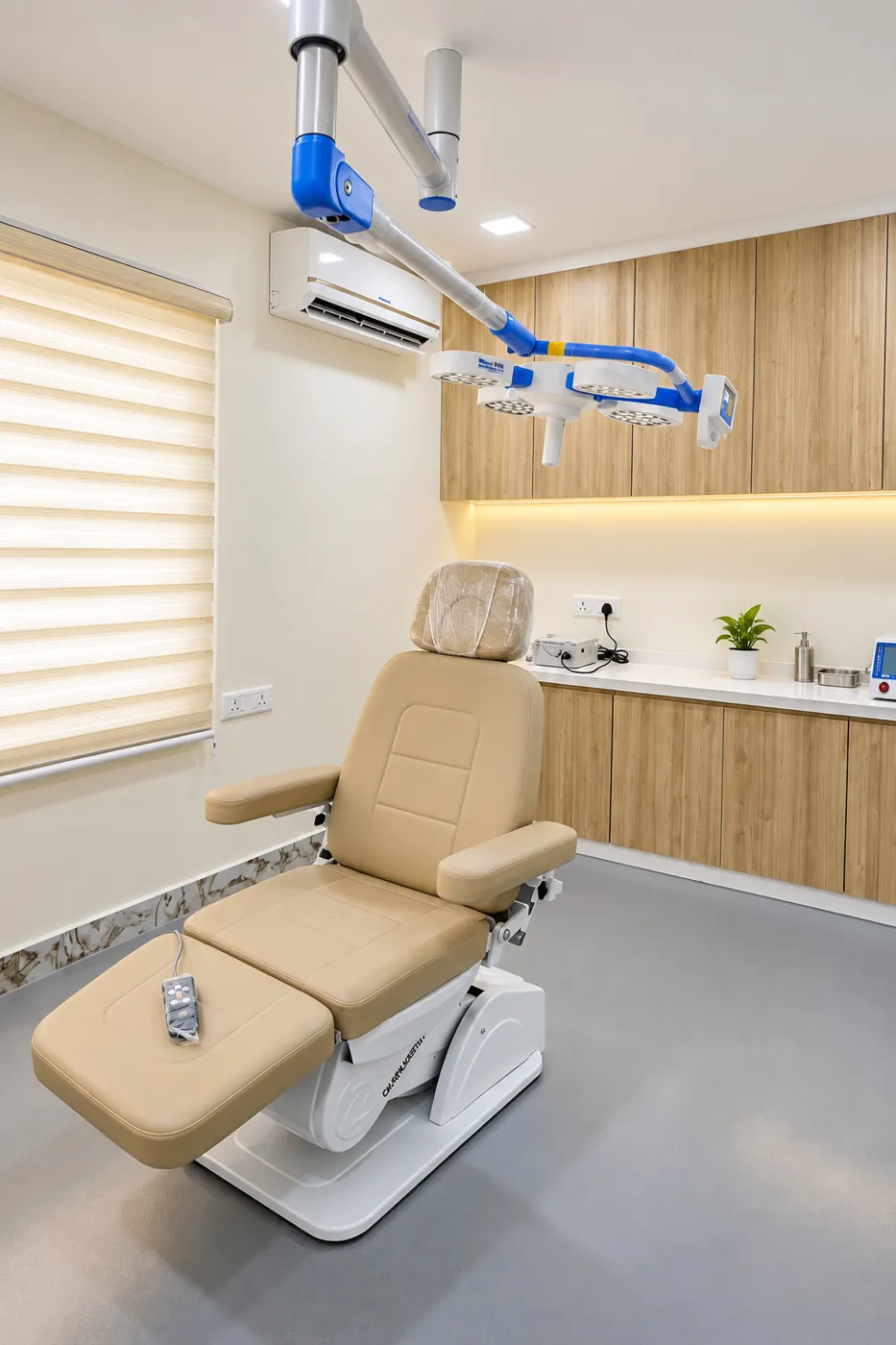
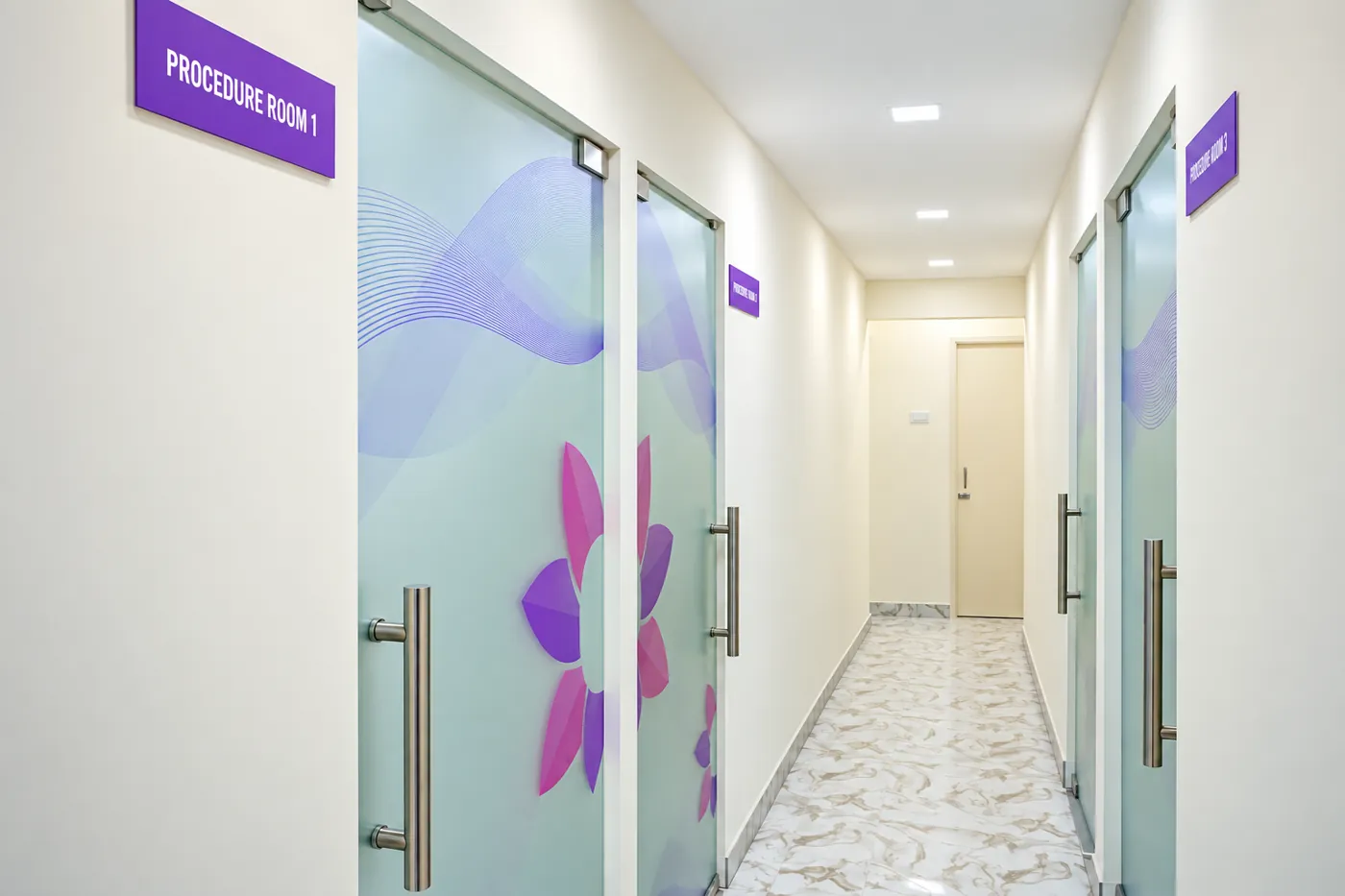
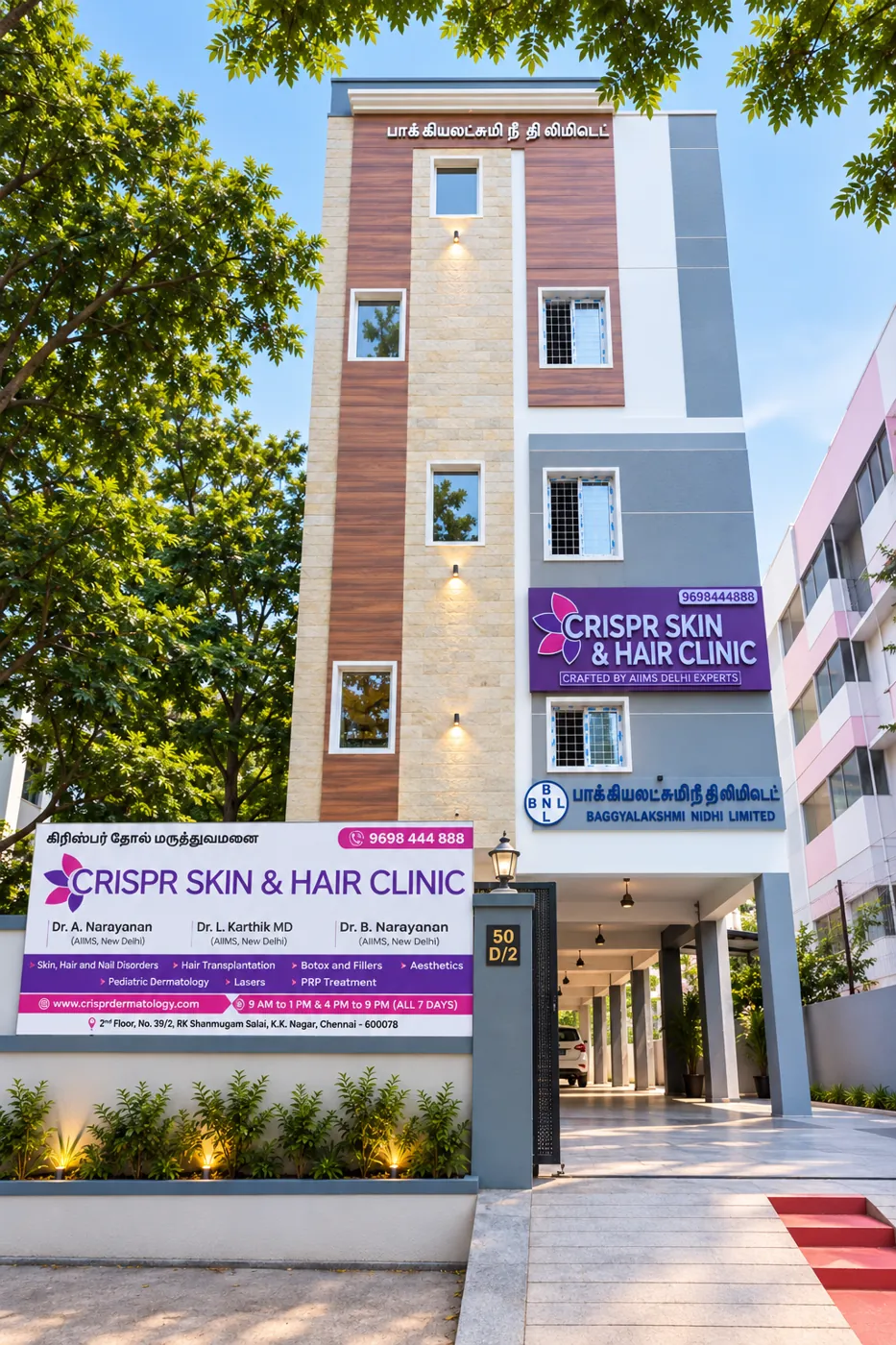
A look inside CRISPR Skin and Hair Clinic, KK Nagar.
Questions patients ask
Frequently Asked Questions
How is rosacea different from acne?
What triggers rosacea?
Can rosacea be cured?
Why should I avoid steroid creams on the face for redness?
Can rosacea affect the eyes?
Book Your Appointment
Select an available time slot below to secure your consultation.
1Choose a slot
Next 7 days
Available slots
You're booked
What to bring
- Previous prescriptions, reports and photos of your condition