
Scar Revision
Raised, sunken, wide or keloid scars, treated by the method that suits the type of scar.
- AIIMS-trained dermatologists
- Consultation first
- KK Nagar, Chennai
Evidence-based care
No unnecessary procedures
A scar that bothers you after surgery, injury or acne?
Scars improve to different degrees. The first step is to identify the type of scar, since each type needs a different treatment, and to tell you honestly how much improvement to expect.
A raised, itchy or growing scar that spreads beyond the original wound?
This may be a hypertrophic or keloid scar. Early treatment works better, and surgery alone often makes keloids worse, so the plan matters.
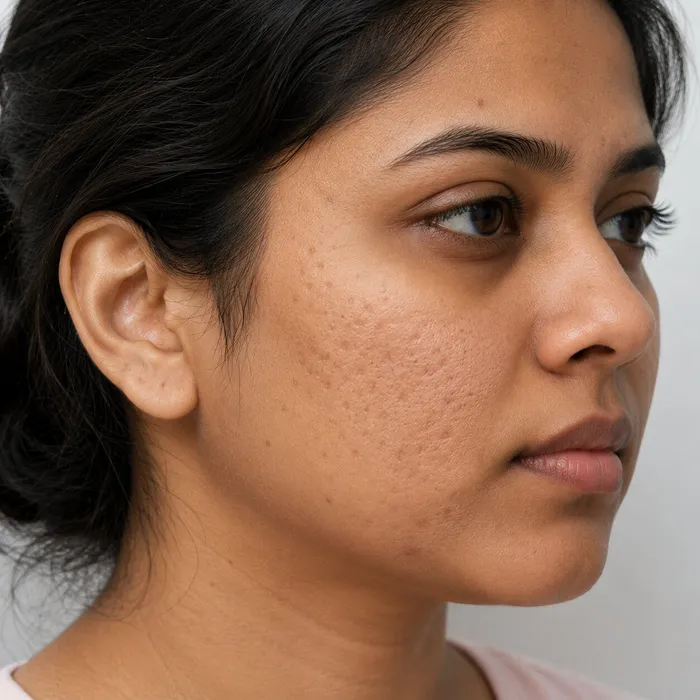
A scar is the skin’s way of repairing a wound, and every wound that goes deeper than the top layer leaves one. Many fade to fine pale lines. Some heal thick, raised, wide or sunken, and these can be improved. No treatment erases a scar completely, but most can be made flatter, softer, smoother and less noticeable.
Know Your Scar Type
- Flat, pale or slightly wide scars, the usual result of cuts and surgery.
- Hypertrophic scars: raised, red and firm, but staying within the original wound. They often improve by themselves over a year or two.
- Keloids: raised scars that grow beyond the original wound and may keep growing. They are more common in darker skin and on the chest, shoulders and earlobes.
- Atrophic (sunken) scars, including most acne scars. See acne scar treatment.
- Stretch marks (striae): lines that form when skin stretches fast, in pregnancy, growth spurts or weight change.
Read more in scar types explained.
What Treatment Involves
The right treatment depends on the type.
- New raised scars: silicone gel or sheets, pressure where possible, sun protection and, if needed, steroid injections.
- Hypertrophic and keloid scars: steroid injections every few weeks, sometimes combined with other medicines, laser or freezing. Surgery on keloids needs great care, because cutting a keloid can cause a larger one. See keloid treatment: what works.
- Sunken scars: subcision, microneedling, peels and laser, and sometimes fillers. See scar revision options compared.
- Wide or badly placed scars: surgical revision, once the scar has matured.
- Dark or red scars: sun protection, gentle lightening and laser as suitable.
When to Treat
New raised scars respond best to early treatment, in the first weeks to months. Mature flat scars are best revised after twelve months, when the scar has settled. We tell you when to wait.
Realistic Results
Expect improvement, not disappearance. A common finding is a thirty to seventy percent improvement in appearance, depending on type, age, site and skin. Several sessions are usual, and some scars need maintenance.
Caring for a New Scar
Keep it clean and moisturised, protect it from the sun, avoid picking, and use silicone as advised. See care of a surgical scar in the first six months.
Risks
Treatment can cause pigment change, thinning of the skin from steroid injections, recurrence of keloids and, with surgery, a scar of the same or worse quality. We choose conservative steps first and explain the risks before starting.
What to Expect at Your Visit
We examine the scar, ask about its history, explain the type and the options, and set a plan with time frames. We take photographs so that progress can be judged fairly.
Related
Acne scar treatment, ear lobe repair, chemical peels and mole removal aftercare.
How We Evaluate
- 1
Identification of the scar type: flat, raised (hypertrophic), keloid, sunken (atrophic) or stretched
- 2
Age of the scar, its location and any symptoms such as itch, pain or tightness
- 3
History of earlier treatment and of keloid tendency in the family
Treatment Options
Steroid Injections
Injected into raised and keloid scars to soften and flatten them, repeated at intervals.
Silicone Gel and Sheets
A simple, evidence-based way to flatten and soften new raised scars and to help prevent them.
Laser and Light Treatments
Used for redness, thickness and texture in selected scars, chosen carefully for darker skin.
Subcision and Microneedling
For sunken, tethered scars, including many acne scars, to release and rebuild the skin.
Surgical Revision
Re-cutting a wide or badly placed scar so that it heals finer, often combined with other measures.
Conditions We Manage
Related Articles
Article
Acne Scar Treatments by Scar Type: Which Works for Which Scar
Article
Chemical Peels vs Facials vs Microneedling
Article
Earlobe Repair Step by Step: What Happens, Pain and Recovery
Article
Fractional Laser for Acne Scars: Recovery and Results
Article
Keloid Treatment: What Works and Why Keloids Come Back
Article
Keloids on the Earlobe: Causes, Treatment and Earring Advice
Visit Our Clinic
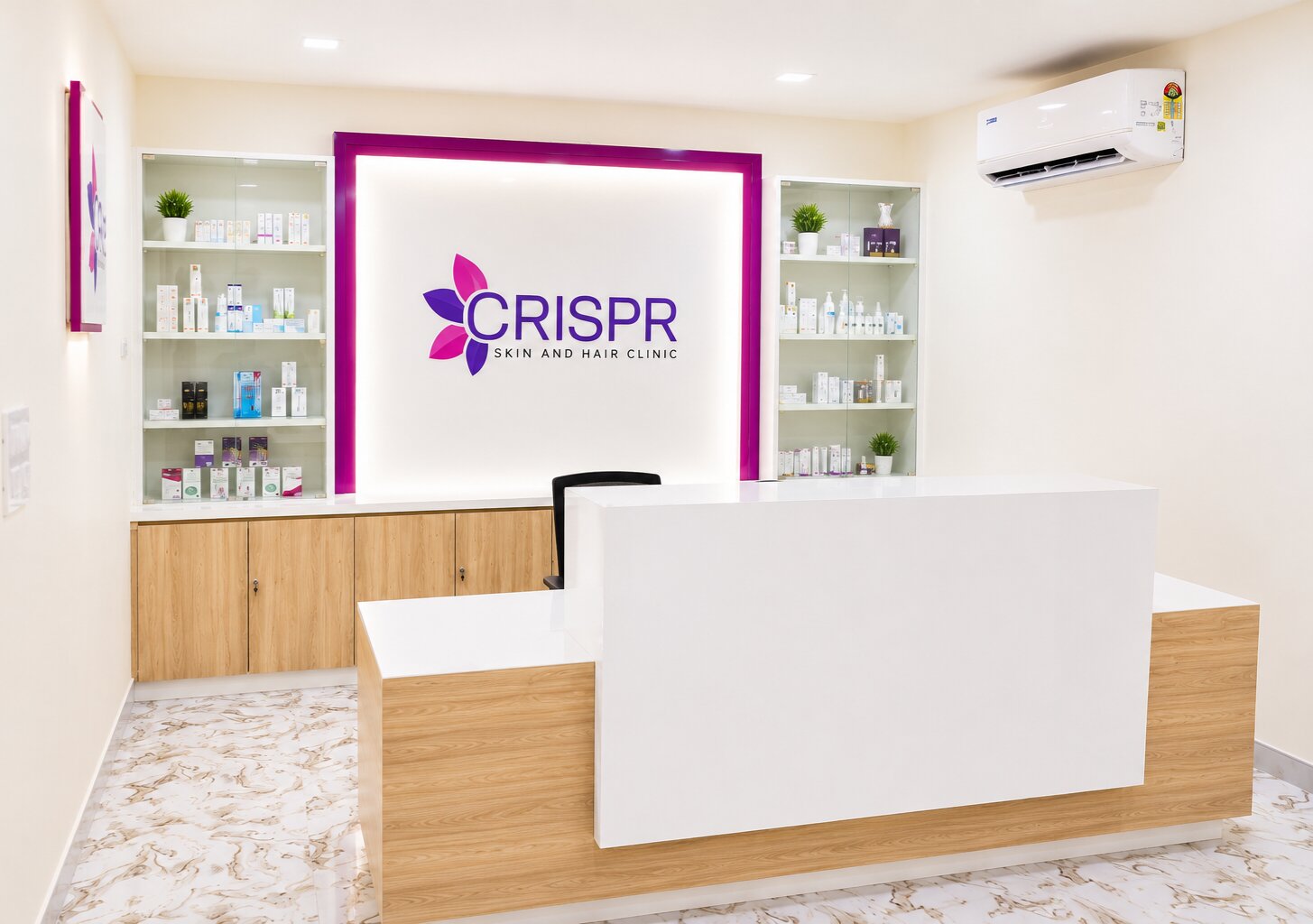
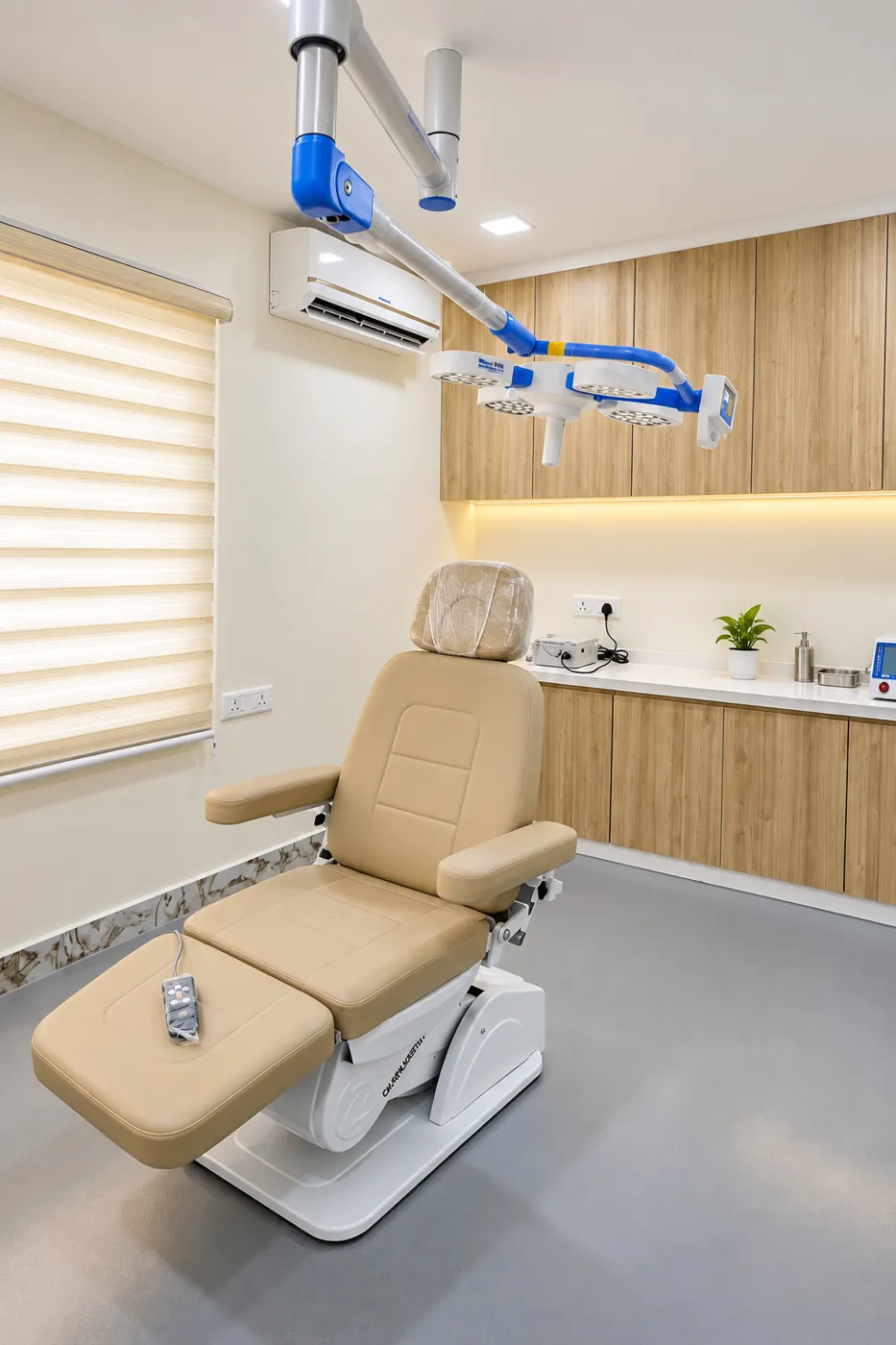
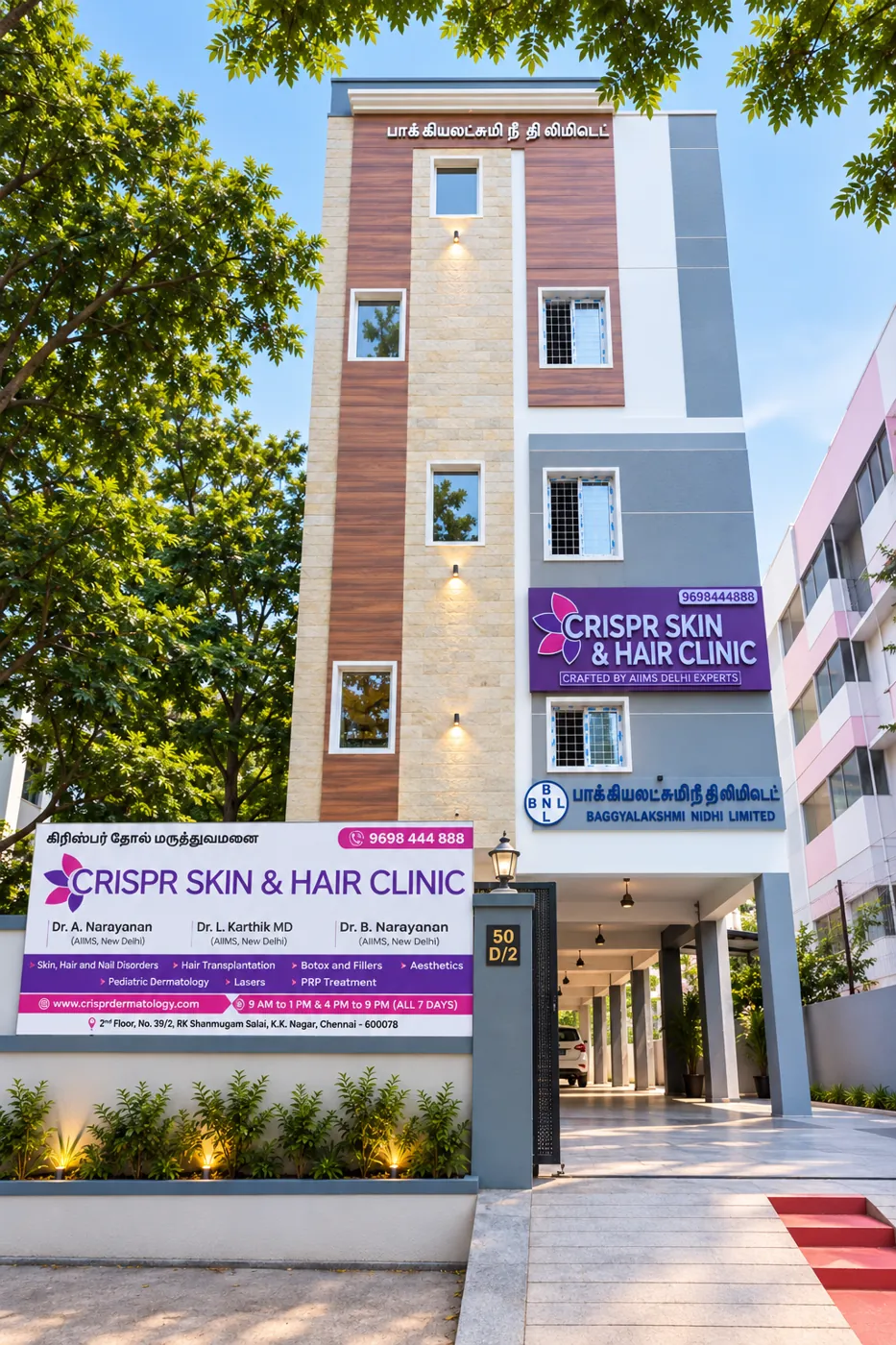
A look inside CRISPR Skin and Hair Clinic, KK Nagar.



Questions patients ask
Frequently Asked Questions
Can a scar be removed completely?
What is the difference between a keloid and a hypertrophic scar?
How long should I wait before treating a scar?
Will a keloid come back after treatment?
Can stretch marks be treated?
How should I look after a surgical scar?
Book Your Appointment
Select an available time slot below to secure your consultation.
1Choose a slot
Next 7 days
Available slots
You're booked
What to bring
- Previous prescriptions, reports and photos of your condition