
Keloids and Hypertrophic Scars
Raised scars that itch, ache or keep growing are treatable. Early care works best, and surgery alone often makes keloids worse.
Book a Scar ConsultationA raised, red or itchy scar after a cut, surgery, piercing or acne?
Early treatment of raised scars is far more effective than waiting. We identify the type and start the right treatment.
A scar that grows beyond the original wound?
This is typical of a keloid. It needs a combined plan, and cutting it out on its own often leads to a larger scar.
What Is It?
Hypertrophic scars and keloids are both raised, firm scars caused by an overgrowth of collagen during healing. They differ in how they behave.
Hypertrophic Scar or Keloid?
- Hypertrophic: stays within the original wound, appears within weeks, and often flattens and fades over one to two years. Responds well to treatment.
- Keloid: grows beyond the wound edges, may keep growing for months or years, and rarely improves by itself. It often returns after surgery.
Why Some People Scar This Way
Genes, darker skin and young age make overgrowth more likely. Triggers include any wound: ear piercings, acne, surgery, burns, vaccinations and even minor injuries. Wounds under tension, such as on the chest and shoulders, are at higher risk.
Treatment
New raised scars respond best to early treatment with silicone and steroid injections. Established keloids usually need a combination: injections repeated for months, freezing in some, laser for redness, and, for large keloids, surgery combined with injections, pressure and sometimes radiation by specialists. See keloid treatment: what works and why keloids return and keloids on the earlobe.
Prevention
Treat acne early, avoid unnecessary piercings or elective surgery in keloid-prone areas, protect new scars from the sun and tension, use silicone after surgery, and tell any surgeon about your history. See caring for a surgical scar.
Realistic Outcomes
Most scars can be made flatter, softer and more comfortable. Recurrence of keloids is common, so follow-up matters. See scar types explained and our scar revision service.
Risk Factors
- Darker skin, and a family history of keloids
- Age between 10 and 30
- Wounds on the chest, shoulders, upper back and earlobes
- Tension on a wound, infection and delayed healing
- Piercings, acne, burns, vaccinations and surgery
Symptoms
- A firm, raised, smooth scar that may be pink, red or darker than skin
- Itching, tenderness or pain
- Growth beyond the edges of the original wound (keloid)
- Slow growth for months, and rare improvement without treatment (keloid)
Treatment
Silicone Gel or Sheets
Softens and flattens new raised scars and helps prevent them.
Steroid Injections
Injected into the scar every few weeks to soften and flatten it.
Freezing, Laser and Other Injections
Used alone or with steroid injections in selected scars.
Surgery With Added Treatment
Removal followed by injections and pressure, never surgery alone for a keloid.
Learn more about Scar Revision and Keloid Treatment in Chennai →
Related Articles
Related Conditions
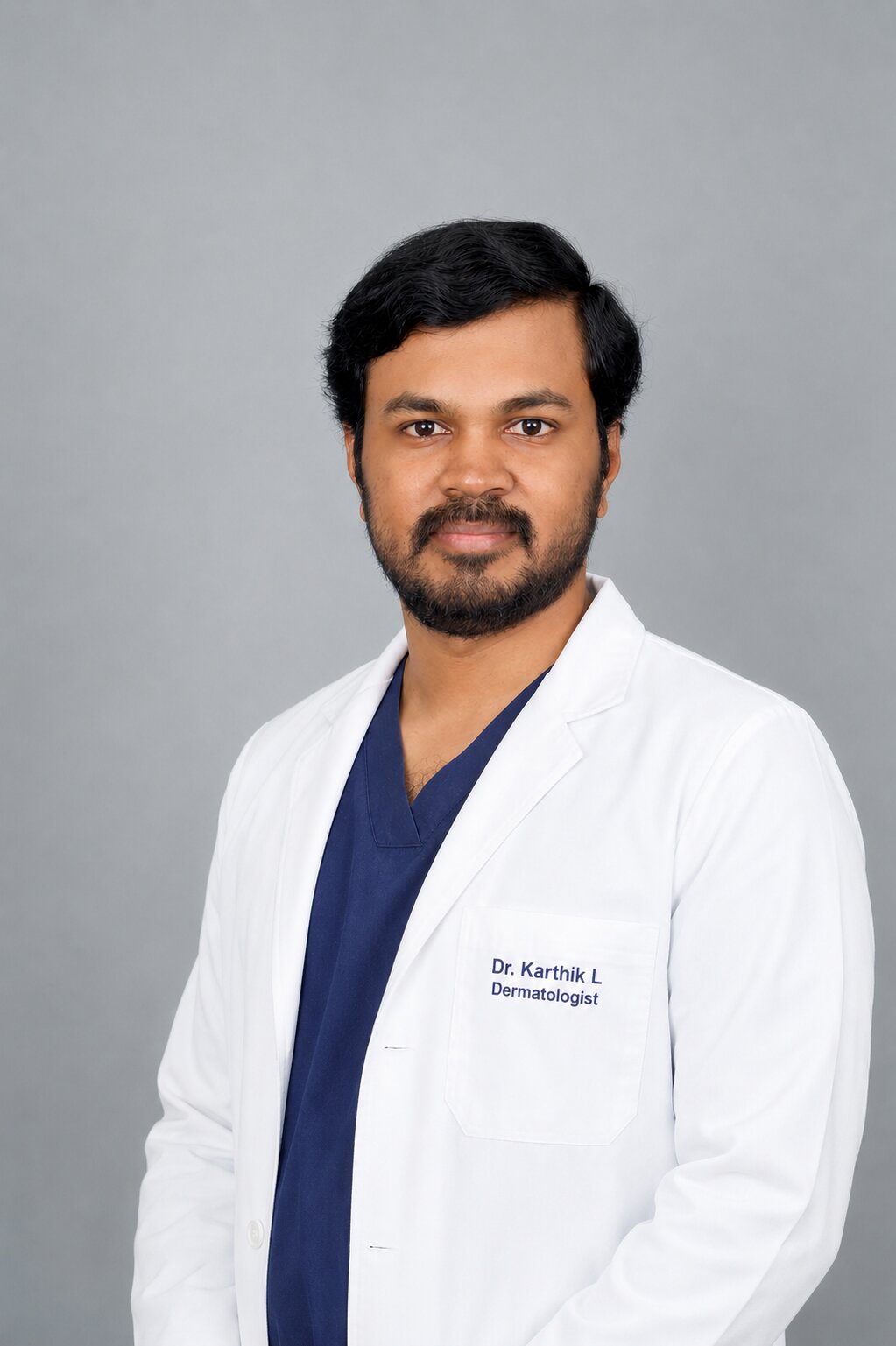
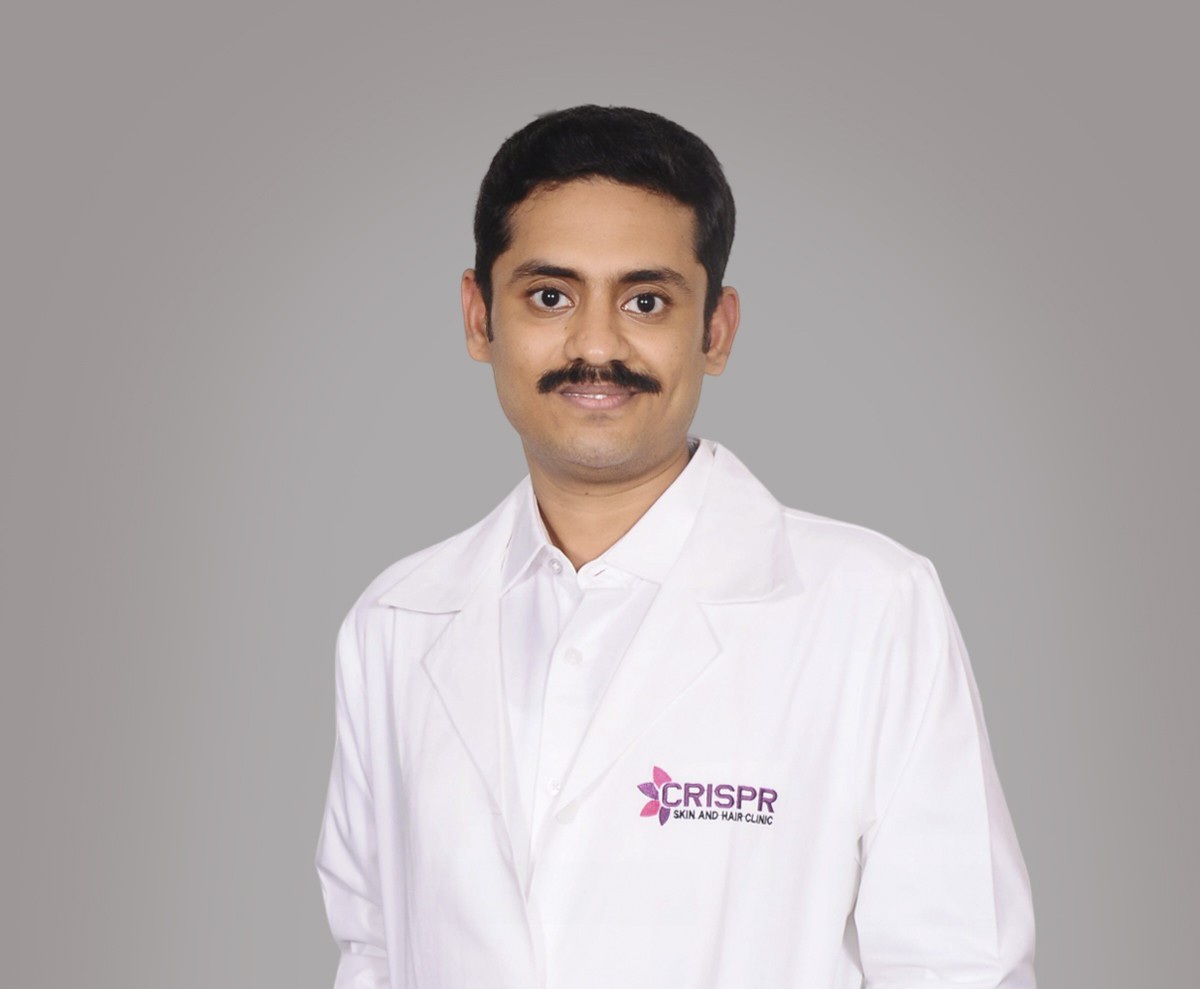
Our Specialists

Visit Our Clinic
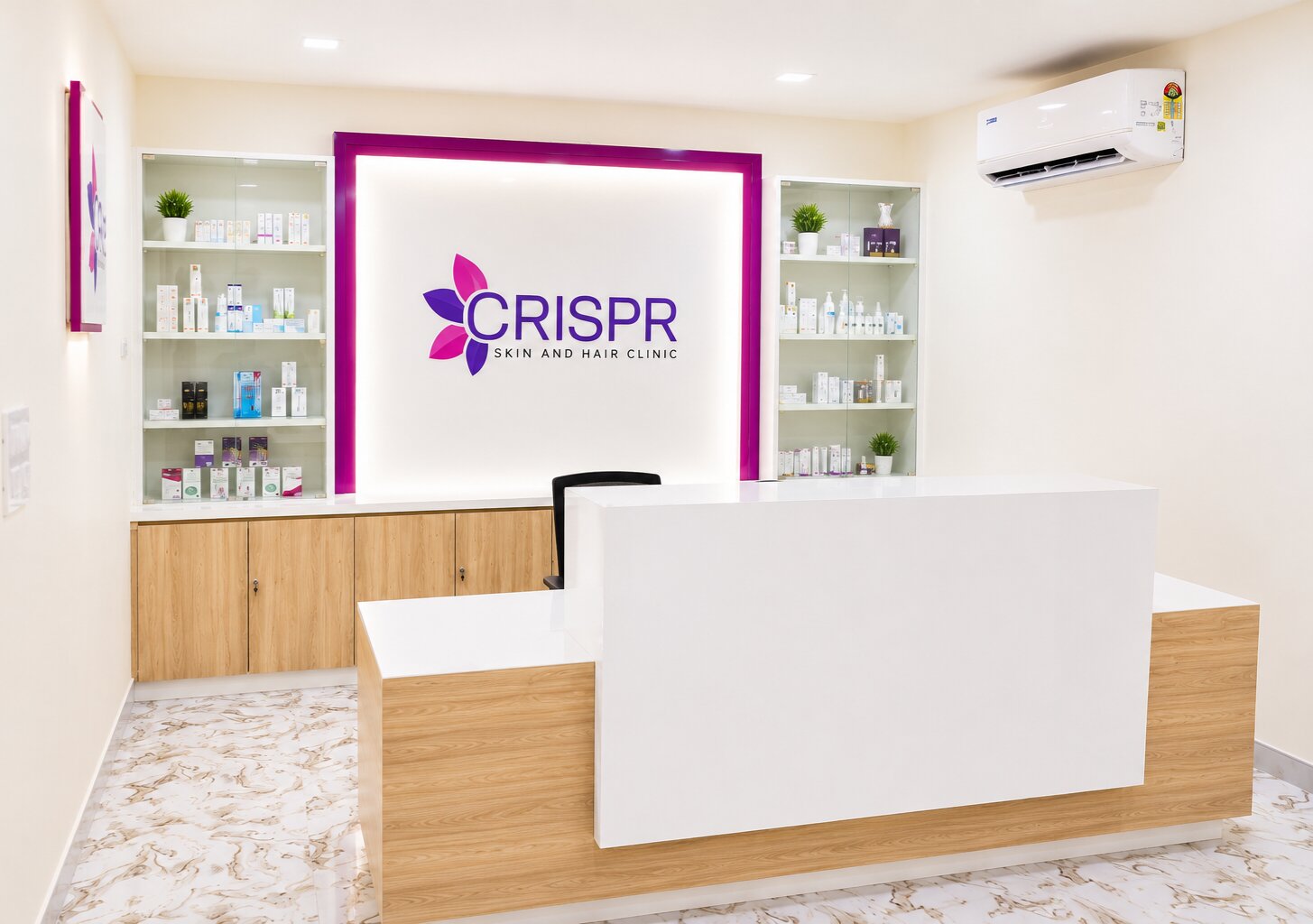
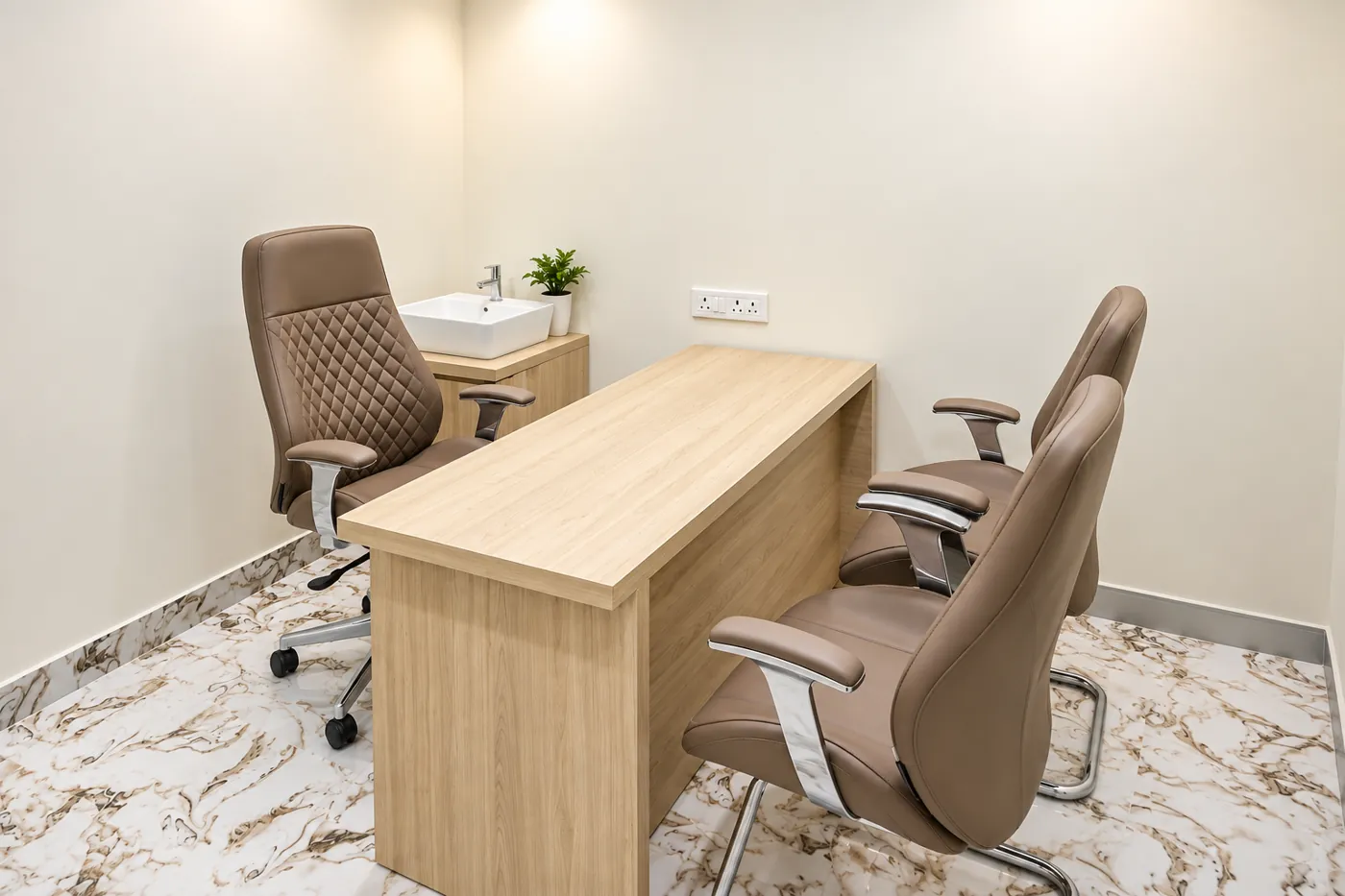
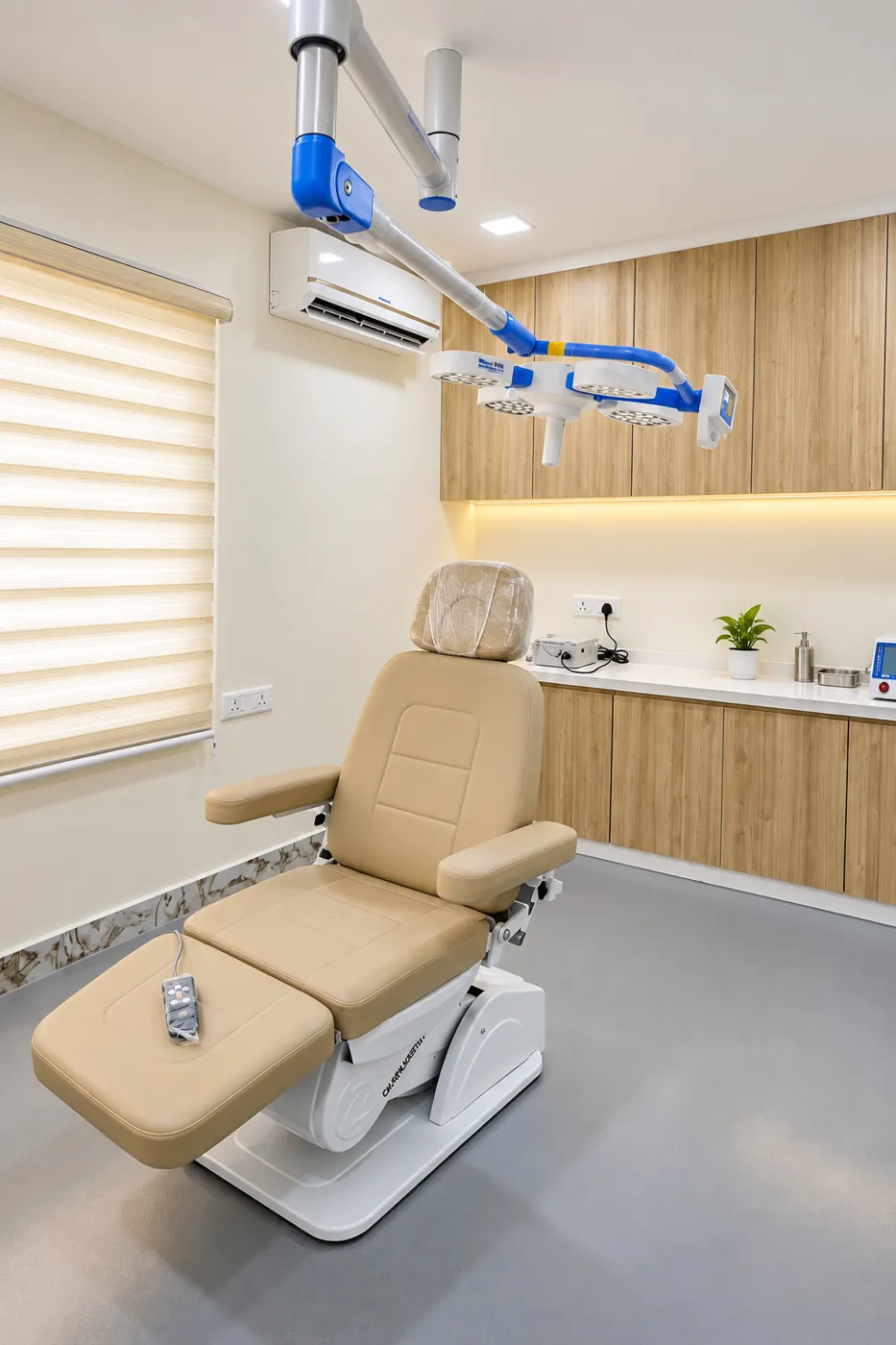
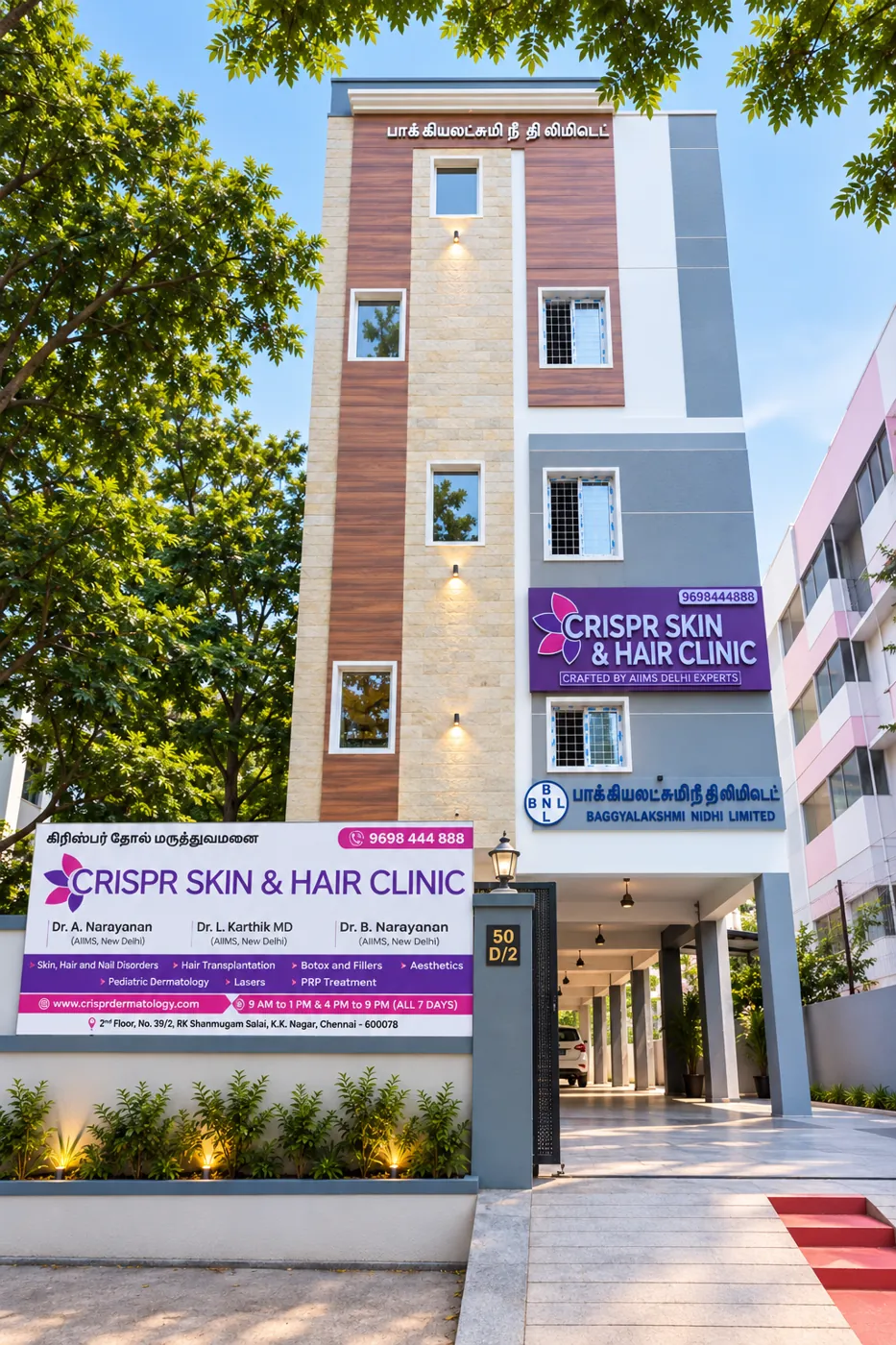
A look inside CRISPR Skin and Hair Clinic, KK Nagar.


Questions patients ask
Frequently Asked Questions
Can a scar be removed completely?
What is the difference between a keloid and a hypertrophic scar?
How long should I wait before treating a scar?
Can stretch marks be treated?
Book a Scar Consultation
Schedule a comprehensive evaluation at CRISPR Skin and Hair Clinic. Choose your preferred time and secure your slot instantly.
Open Booking Calendar