Acne Treatment
A treatment plan matched to your acne type and severity -- not a one-size-fits-all skincare routine.
Book an Acne EvaluationConsultation first · Treatment only when indicated
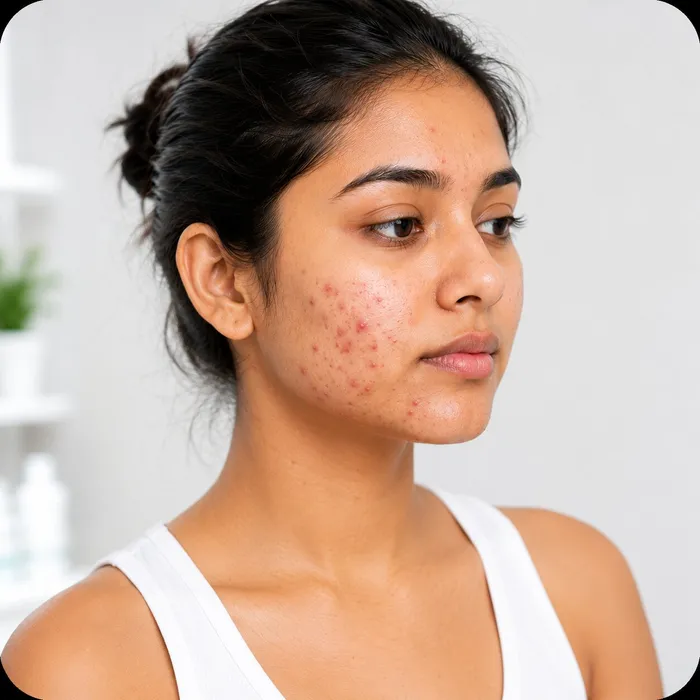
Dealing with occasional breakouts?
Mild, occasional acne often responds well to the right over-the-counter routine. An evaluation helps confirm this is what you're dealing with, and rules out other causes of breakouts.
Persistent or severe acne?
Acne that scars, that hasn't improved with over-the-counter products, or that's affecting your confidence deserves a proper medical evaluation and a structured treatment plan.
Acne is one of the most common reasons people see a dermatologist, and one of the most commonly self-treated with over-the-counter products before ever seeing one. The trouble with self-treating is that acne has several distinct underlying mechanisms — excess oil production, clogged pores, bacterial overgrowth, and inflammation — and different acne types respond to different combinations of treatment. Using the wrong approach for months can mean prolonged breakouts and, often, permanent scarring that becomes much harder to treat later.
Acne isn’t limited to teenagers. Adult-onset and persistent adult acne are increasingly common, often with a different pattern (along the jawline and chin) and different contributing factors than teenage acne, which means the right approach can look quite different too.
What to Expect at Your Visit
Your first visit includes a skin examination to grade the severity and type of your acne — comedonal (blackheads/whiteheads), inflammatory (papules/pustules), or cystic/nodular — since severity and type both guide treatment choice. We’ll also review your current skincare routine, any products you’ve tried, and your medical history for factors that might be contributing, such as hormonal patterns.
Treatment Approach
Mild acne often responds well to topical treatments used consistently over several weeks — consistency matters more here than trying multiple products simultaneously, which frequently causes irritation without speeding results. Moderate to severe acne, or acne not responding adequately to topical treatment alone, may call for oral medical therapy, selected based on your specific presentation.
For acne that is cystic, deeply inflamed, or scarring rapidly, in-clinic procedures can help control active lesions more quickly while the underlying medical treatment takes effect.
Setting Realistic Expectations
Acne treatment takes time — most regimens need six to eight weeks of consistent use before real improvement is visible, and we set that expectation clearly upfront so you don’t abandon an effective treatment too early. We’re also direct about the connection between untreated or picked-at acne and scarring: addressing active acne promptly is the best way to reduce the risk of scarring that’s considerably more difficult to treat afterward.
How We Evaluate
- Skin examination and acne severity grading
- Review of skincare routine and product use
- Assessment for hormonal or other contributing factors where indicated
Treatment Options
- Topical Therapy: Prescription-strength topical treatments matched to your acne type, used correctly and consistently for measurable improvement.
- Oral Medical Therapy: For moderate to severe acne, oral treatment options considered based on severity, gender, and medical history.
- Procedural Support: In-clinic procedures to speed improvement in stubborn or cystic acne, used alongside a medical regimen.
Frequently Asked Questions
How long does it take for acne treatment to work?
Does diet affect acne?
Why am I getting acne as an adult?
Does picking at acne cause scarring?
Book Your Appointment
Select an available time slot below to secure your consultation.
Patient Details
Already booked? Manage my appointmentWho is this appointment for?
Enter the patient's name below and your own WhatsApp number — the code and confirmation come to you.
Patients on this number — tap to fill in
Select Slot
Select a doctor and date to see available times.