Donor Area Limits in Hair Transplantation
A transplant redistributes existing hair, so the quality and amount of donor hair set the limits of what's achievable.
Book a Hair Transplant ConsultationWorried you may not have enough donor hair?
Donor supply is assessed by examination, not guessed from photographs.
Had a transplant and want another?
Remaining donor supply decides what further work is realistic, and conserving it is part of good planning.
What Is It?
Hair transplantation moves hair from one part of the scalp to another. It does not create new hair follicles. That single fact explains why the donor area, the source of the hair, is the most important limit on what any transplant can achieve. No technique, however advanced, can give you more hair than your donor area can safely provide.
What the Donor Area Is
The donor area is the zone at the back and sides of the scalp where hair is genetically resistant to pattern hair loss. Hair follicles here keep growing for life even in people who go completely bald elsewhere, and, importantly, they tend to keep this resistance after being moved to a thinning area. This is why transplanted hair generally lasts.
The donor zone has boundaries. Hair at the upper edges and lower neckline can itself be affected by pattern loss over time, so using it risks moving hair that would have been lost anyway. A careful surgeon works inside a safe donor zone rather than harvesting from every area that currently has hair.
Why the Supply Is Finite
Every person has a limited number of follicular units, which are the natural groups of one to four hairs used as grafts in follicular unit extraction (FUE). The number varies between individuals. It depends on donor density, the area of the safe donor zone, the number of hairs per unit, and the characteristics of the hair. Some patients have a generous supply, while others have much less, and no amount of surgical skill can change that.
What Affects Donor Quality
Density. Higher density provides more grafts per area. Low density means harvesting more area for the same number of grafts, which is limited.
Hair calibre and texture. Thicker or wavier hair gives more visual coverage per graft than fine, straight hair.
Hairs per follicular unit. Units with more hairs provide more coverage per graft.
Scalp laxity. A scalp that is loose and elastic is easier to work with.
Hair colour and skin contrast. Greater contrast between hair and scalp makes thinning more visible and affects the look of the final result.
Progression of hair loss. In advanced loss, the safe donor zone may shrink as hair at its edges thins.
What Donor Depletion Means
Donor depletion describes a situation in which the donor area has been used up, or is too limited to support further harvesting without visible thinning. It can occur in patients with advanced baldness and a small safe zone, in patients with naturally low donor density, and in patients who have had multiple procedures, particularly where grafts were taken too aggressively in previous sessions.
A depleted donor area may appear sparse or see-through, and cannot give more without a visible penalty. In some cases, harvesting beyond the safe zone produces hairs that may not last, because they come from areas that are not truly resistant.
Why Overharvesting Is a Problem
Taking too many grafts in a single session, or taking them too close together, can leave the donor area visibly thin and permanently reduce future supply. This matters, because pattern hair loss usually continues over time and a second procedure may be needed. A plan that uses everything now leaves nothing in reserve.
How Planning Works Around Limits
We assess donor supply before planning anything. We then design a procedure that fits within it (see how graft numbers are worked out), with these principles.
Prioritise the areas that matter most. The frontal hairline and forelock frame the face and produce the greatest visual impact, so they are generally prioritised. The crown, which needs many grafts for modest gain, may be addressed later or not at all.
Distribute grafts sensibly. Rather than spreading too thinly across a large area, we choose density levels that look natural and leave a good result.
Keep supply in reserve. We plan for the long term, leaving room for future procedures if hair loss progresses.
Use medical therapy. Medicines that slow loss help preserve native hair and may reduce the area that needs to be covered, stretching the benefit of your donor supply.
Setting Realistic Goals
When supply is limited, honesty is essential. We tell you plainly what is achievable, which areas we would prioritise, and what trade-offs are involved. Sometimes the best plan is a modest one. In rare cases, we advise against surgery, because the benefit would not justify using up a limited resource.
Patients Who Have Had Previous Procedures
If you have had a transplant before, we assess what donor supply remains, and how the donor area looks. Previous overharvesting may limit options, and scars or thinning in the donor area need to be taken into account. We discuss what further work, if any, is realistic.
Other Considerations
Donor hair can sometimes come from other body areas in certain cases, but the quality and growth characteristics differ, and results are less predictable. We discuss this only where it is appropriate, and we are honest about limitations.
The Bottom Line
The donor area is the foundation of any transplant plan. A good plan respects its limits and protects it for the future. If you are worried about how much donor hair you have, an examination answers that question accurately.
Risk Factors
- Advanced baldness with a limited safe donor zone
- Fine or low-density donor hair
- Previous procedures that have used up donor supply
Symptoms
- Thinning extending into areas normally used as donor
- Low density at the back and sides of the scalp
- Progressive loss that continues to affect previously stable areas
Treatment
Donor Assessment
Examination of density and extent of the safe donor zone before planning.
Staged Planning
Prioritising areas of greatest impact, rather than spreading grafts too thin.
Medical Therapy
Protecting existing hair so the transplant isn't fighting continuing loss.
Learn more about Hair Transplant in Chennai (FUE) | KK Nagar →
Related Conditions
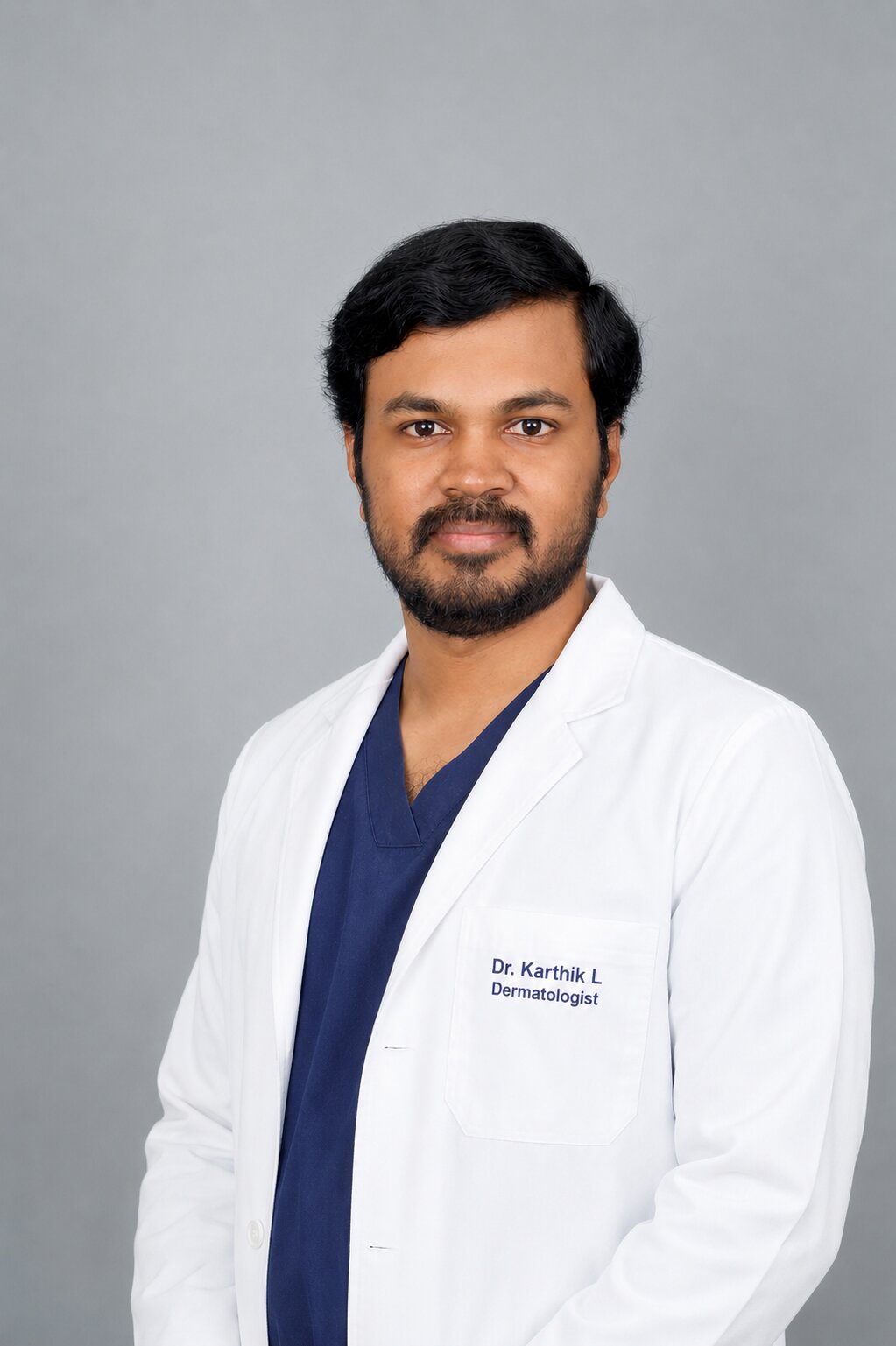
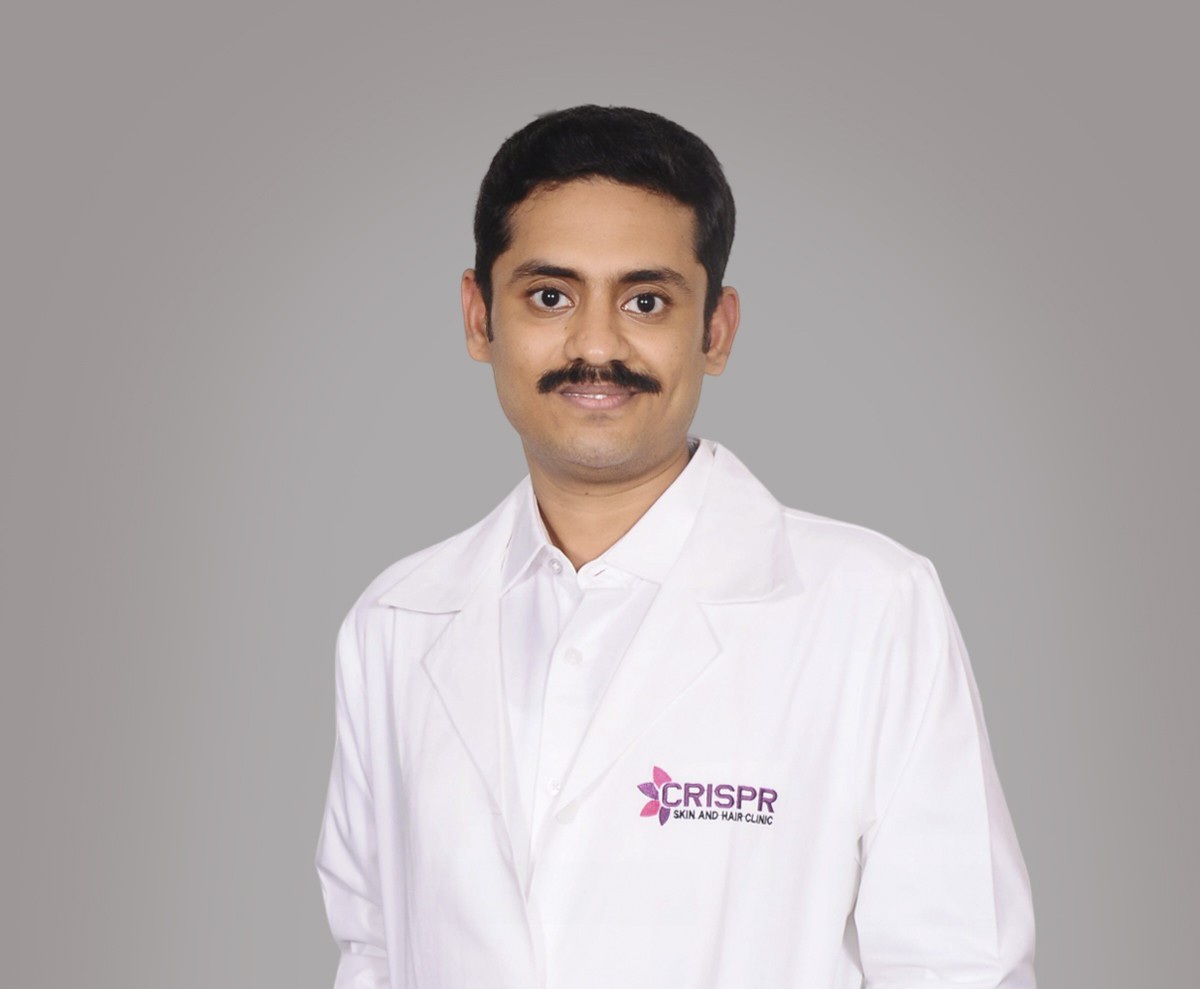
Our Specialists

Visit Our Clinic
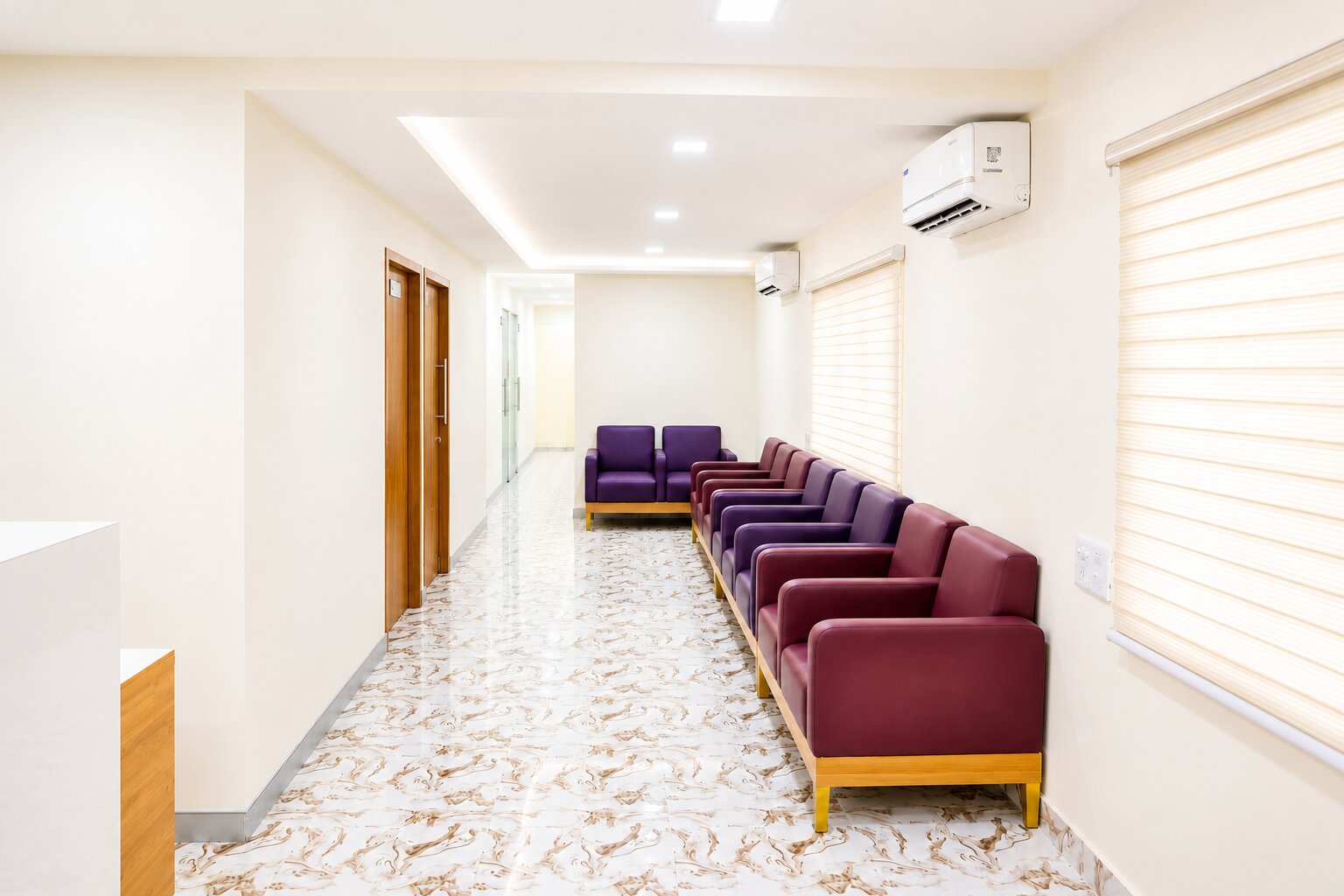
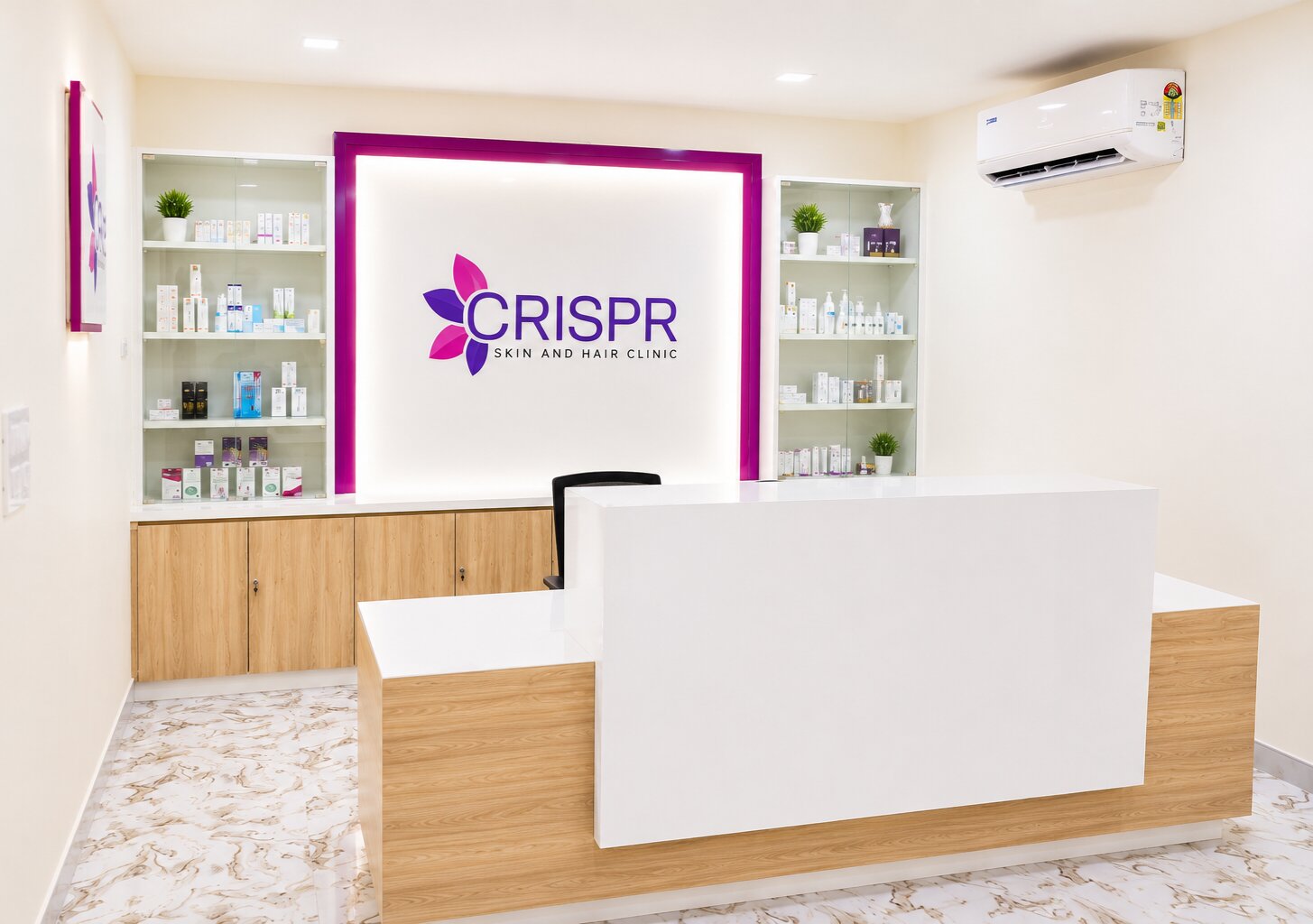
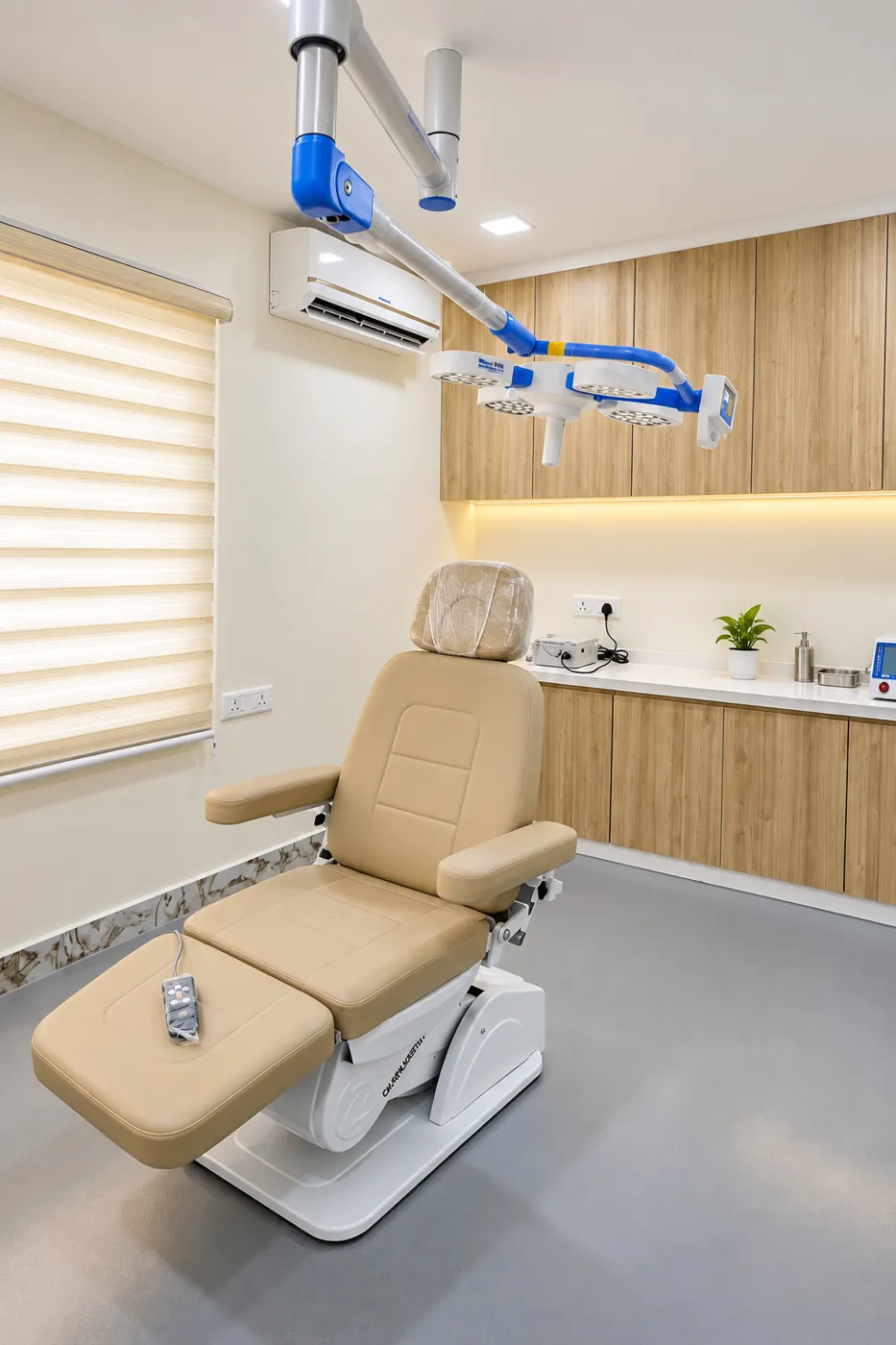
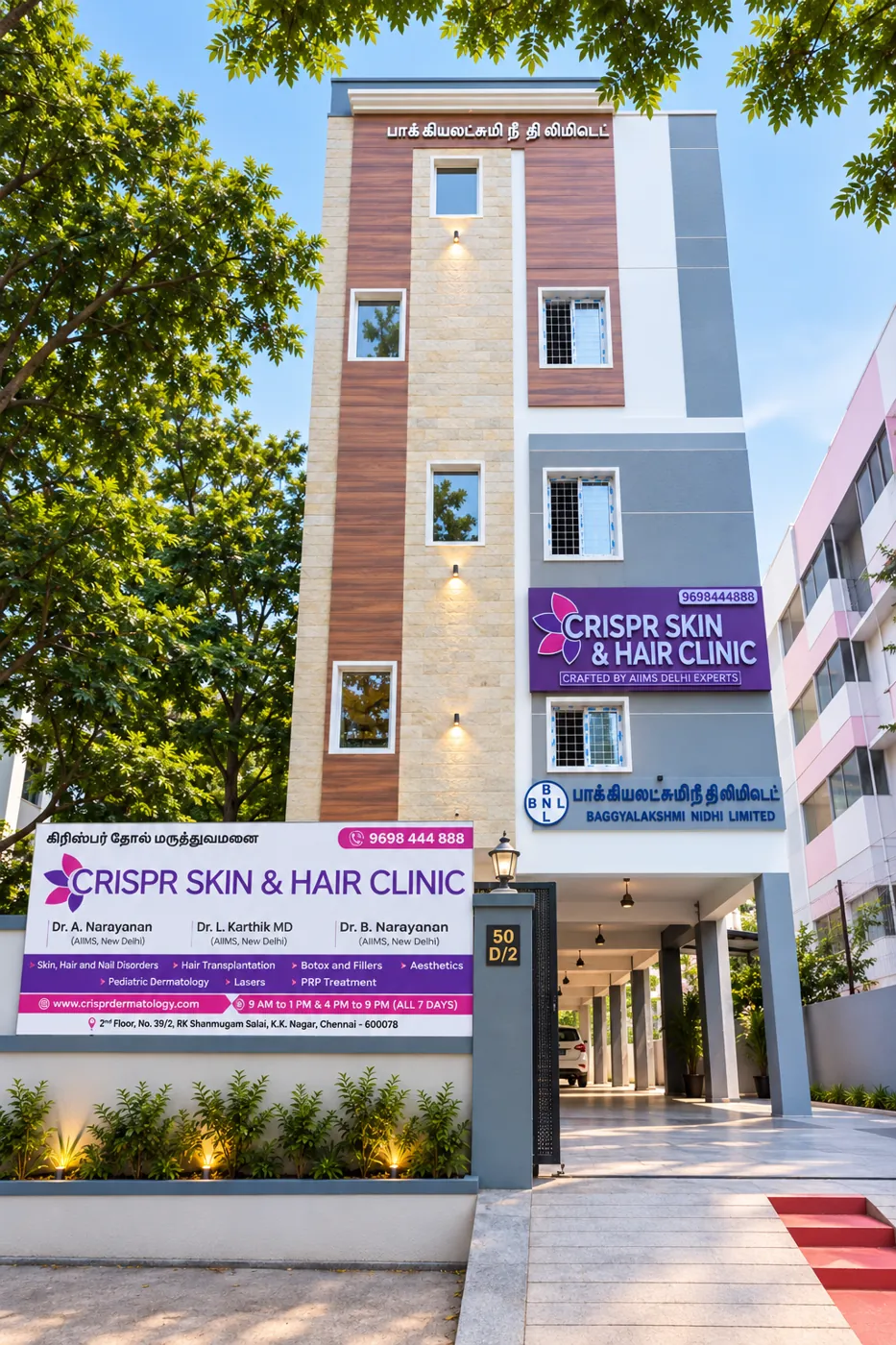
A look inside CRISPR Skin and Hair Clinic, KK Nagar.
Questions patients ask
Frequently Asked Questions
Is there a limit to how many grafts can be taken from the donor area?
How many grafts will I need for a hair transplant?
Is a hair transplant permanent?
Book a Hair Transplant Consultation
Schedule a comprehensive evaluation at CRISPR Skin and Hair Clinic. Choose your preferred time and secure your slot instantly.
Open Booking Calendar